
Qatar Signals Progress in US-Iran War Talks
Qatar's foreign ministry said mediators including Qatar, Pakistan, and Oman have reached "very progressive stages" in efforts to end the US-Iran war, pushing Brent crude down more than four percent.
Key Takeaways
May 2, 2026 · 2 min read · By Rishabh Bhardwaj
·
AI-assisted, human-reviewed · Our editorial standards
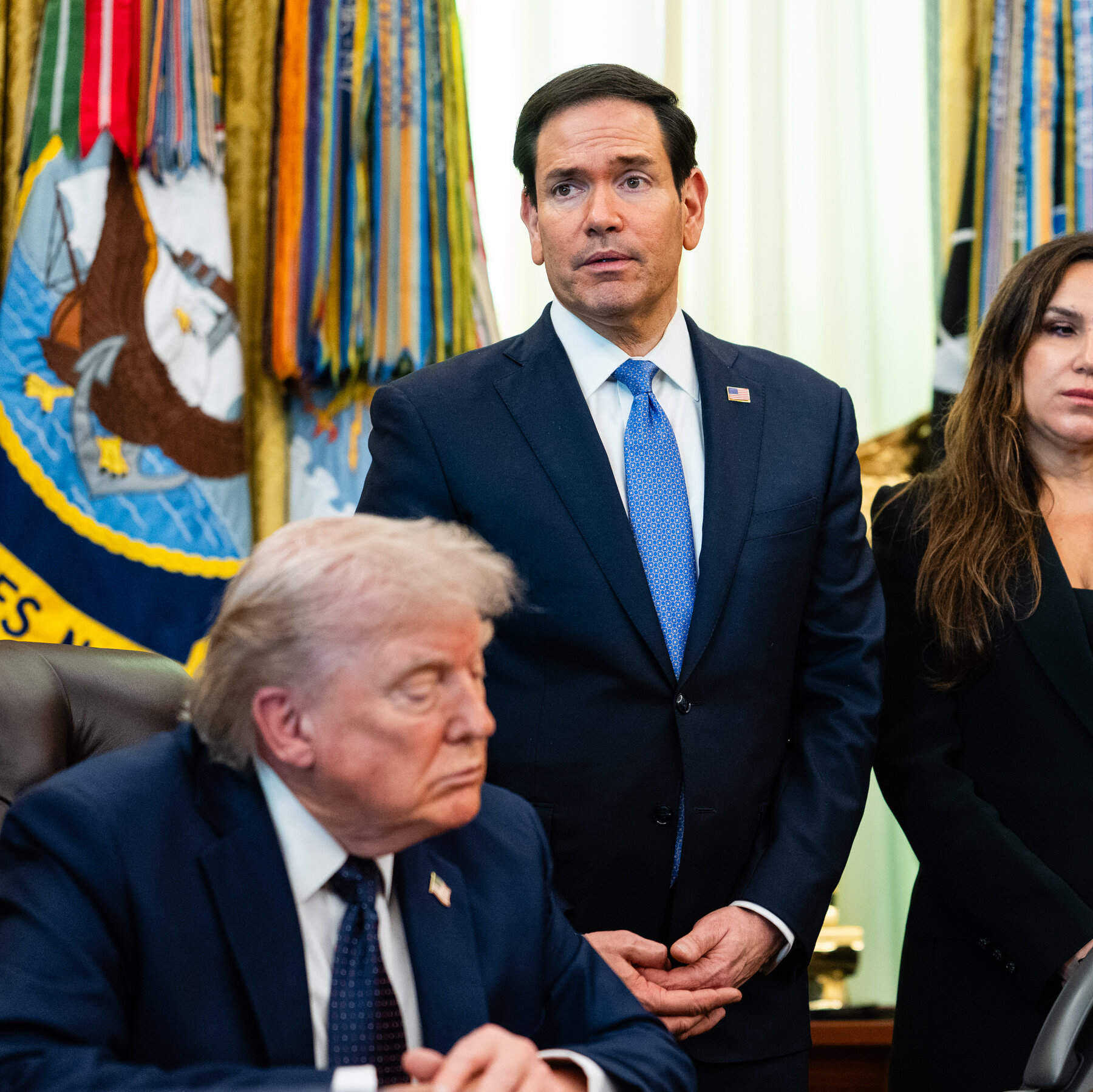
The U.S. State Department has fast-tracked arms deals worth $8.6 billion to Middle Eastern partners, bypassing the standard congressional review process that normally governs foreign weapons sales.
The sales are directed at Persian Gulf countries and Israel, both of which have faced Iranian attacks during the ongoing U.S.-Israeli military conflict with Iran. By invoking an emergency authority, the State Department moved the deals forward without waiting for the usual congressional notification period, which typically gives lawmakers 30 days to raise objections or block a sale.
Under U.S. law, major foreign arms sales normally go through a formal congressional notification process. The executive branch can sidestep this by declaring an emergency based on national security, a mechanism that has been used in previous administrations but remains controversial on Capitol Hill. Using it here means the deals can proceed immediately, removing any legislative brake on the transfers.
The scale, $8.6 billion, is significant. Large, fast-moving arms packages to an active conflict zone raise questions about weapons accountability, escalation risk, and the pace at which U.S. military hardware enters a live theater of operations.
For Gulf states and Israel, the approved sales likely cover resupply and reinforcement needs tied directly to the conflict with Iran. The emergency framing signals that Washington views the threat as urgent enough to prioritize speed over legislative oversight.
For Congress, the move is a direct reduction in its oversight role. Lawmakers who oppose the sales or want conditions attached now have no procedural window to act before the transfers proceed. Expect pushback from members who view the emergency authority as being stretched beyond its intended use.
On the market side, U.S. defense contractors stand to benefit quickly, since bypassing the review removes a common delay in converting approved sales into actual contracts and deliveries. Companies supplying munitions, air defense systems, or precision weapons to the region are the most direct beneficiaries.
Watch for congressional hearings challenging the emergency declaration, and for any diplomatic reaction from Iran or other regional actors responding to the accelerated military resupply of their adversaries.
Qatar's foreign ministry said mediators including Qatar, Pakistan, and Oman have reached "very progressive stages" in efforts to end the US-Iran war, pushing Brent crude down more than four percent.
Qatar confirmed it is mediating between the US and Iran but said no direct talks are currently planned. The clarification follows conflicting statements from President Trump, who claimed talks are under way, and Tehran, which denied any dialogue is happening.
Saudi Aramco reported sharply higher second-quarter 2026 profits as the Iran war restricts global oil supply and pushes crude prices up. Other oil supermajors also posted outsized earnings, raising concerns about sustained fuel cost pressure for importing economies.
President Trump called current Iran negotiations the "last chance" to end five months of conflict, pushing oil prices higher. Tehran denied formal talks are taking place, raising the risk of a diplomatic breakdown with direct consequences for global energy markets.