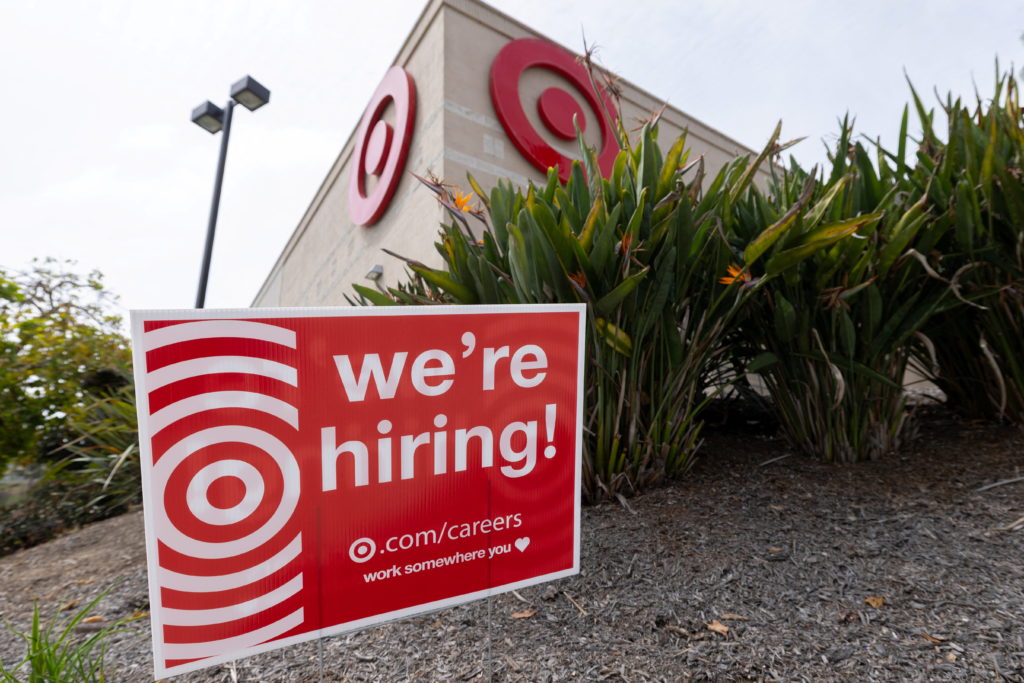
U.S. employers added 115,000 jobs in April, a stronger-than-expected result that kept the unemployment rate low despite ongoing global economic pressure. The headline number suggests the American labor market is holding up better than many forecasters anticipated.
What the Numbers Say
The April jobs report points to steady hiring across the economy. While the article does not break down which sectors drove the gains, the overall pace of job creation remained solid enough to keep unemployment near historically low levels.
The backdrop matters here. A major conflict has caused what the source describes as the biggest disruption to global oil supplies in history. Higher energy costs typically feed through to business expenses, consumer prices, and eventually hiring decisions. So far, U.S. employers appear to have absorbed that pressure without pulling back significantly on headcount.
Why the Disconnect?
Labor markets tend to lag other economic signals. Companies are usually slow to cut jobs even when costs rise, especially when demand for their products or services remains intact. The U.S. domestic economy, driven heavily by consumer spending and services, has some insulation from global commodity shocks compared with more export-dependent economies.
That said, oil supply disruptions of this scale rarely stay contained. Sustained high energy prices raise costs for transport, manufacturing, and agriculture, which can gradually squeeze margins and slow hiring in those industries. The question for coming months is whether the buffer holds or whether delayed effects begin to show up in payroll data.
For the Federal Reserve, a resilient job market complicates its task. Strong employment gives the Fed less reason to ease policy, even if energy-driven inflation is adding pressure on households. Policymakers will watch whether April's strength carries into May and June before drawing firm conclusions.
Investors and businesses will be tracking the next monthly report closely to judge whether this reading reflects genuine labor market durability or a brief pause before a slowdown takes hold.