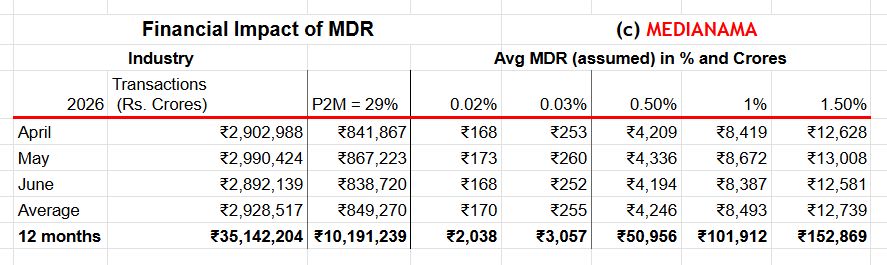
India to Restore UPI Merchant Fees, PhonePe Gains Most
India's government plans to amend the Payment and Settlement Systems Act to restore UPI merchant discount rates, ending the zero-MDR regime in place since January 2020.
Key Takeaways
May 12, 2026 · 3 min read · By Rishabh Bhardwaj
·
AI-assisted, human-reviewed · Our editorial standards
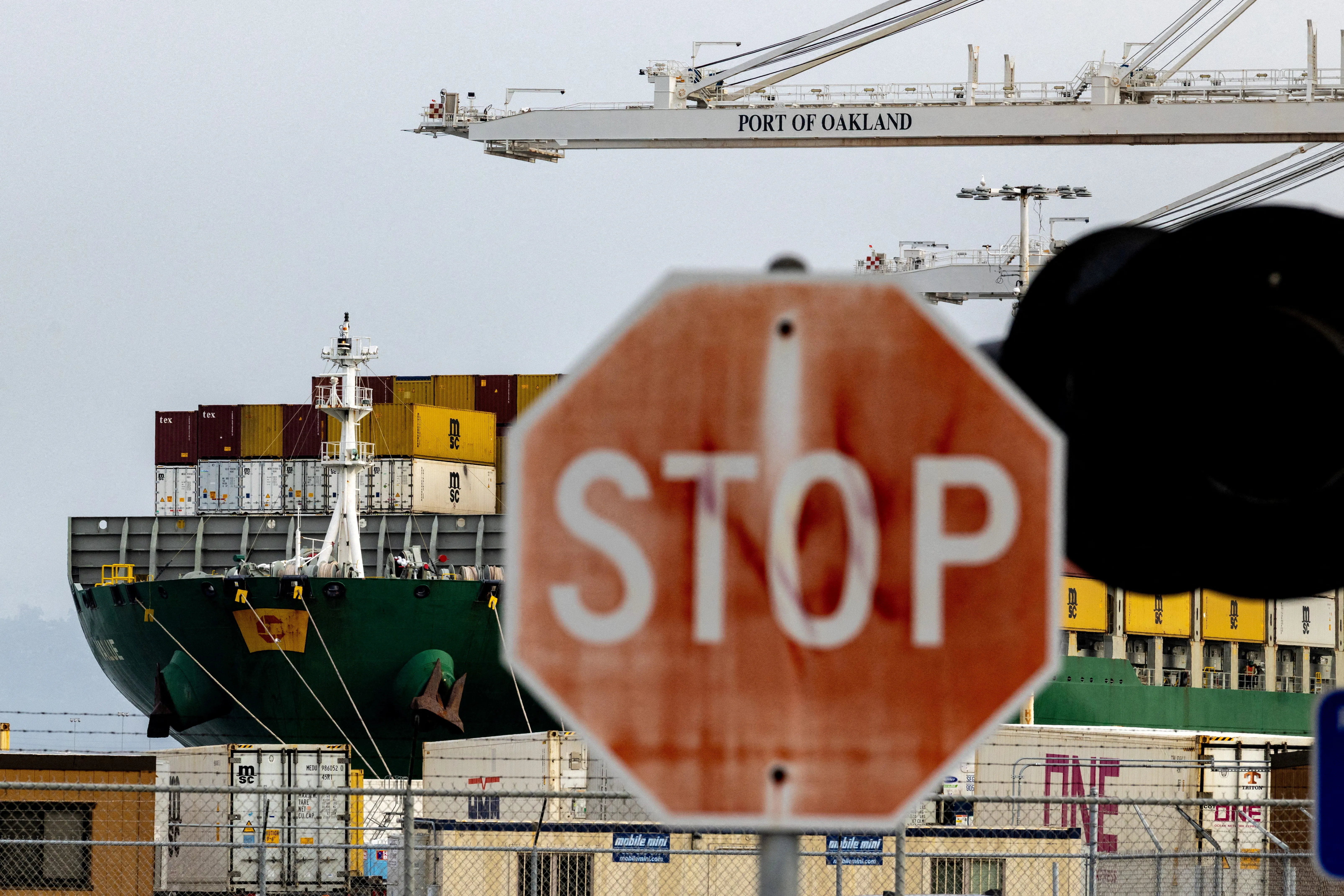
A US federal appeals court has temporarily paused a lower court ruling that had blocked President Donald Trump's 10 percent global tariff, keeping the levy in place while the legal fight continues.
The case centers on whether Trump has the authority to impose sweeping across-the-board tariffs under the International Emergency Economic Powers Act, commonly called IEEPA. That law gives the president broad powers to restrict trade during a national emergency, but its scope in relation to tariffs has never been tested at this scale before.
A coalition of 24 states had challenged the tariffs in court, arguing that Trump's actions do not meet the legal standards set by the Trade Act of 1974. That law requires specific procedural steps and findings before broad trade restrictions can be imposed, and the states contend the administration bypassed those requirements.
The lower court had sided with the states and moved to block the tariff. But the appeals court's decision to pause that ruling means the 10 percent global tariff stays active while the legal challenge works its way through the system. Businesses that import goods from countries covered by the tariff continue to face the added cost, and no refunds or adjustments apply during the pause period.
The stakes here go well beyond this specific tariff. If the courts ultimately rule that IEEPA does not grant the president authority to set tariffs, it would significantly constrain how any administration can use emergency powers for trade policy. That would force future tariff actions back through Congress, slowing the pace of trade intervention considerably.
At the same time, a ruling in the administration's favor would effectively confirm that a president can impose broad import taxes on any country or group of countries by declaring a national emergency, with limited legislative oversight. That would represent a substantial expansion of executive power over trade.
The appeals court must now rule on the merits of the case, deciding whether the IEEPA legal basis for these tariffs holds up. That ruling will set a precedent that shapes how far presidential trade authority extends, not just for Trump's current tariff agenda but for future administrations as well.
The 24-state coalition is likely to push for a faster resolution, given that every week the tariff stays in place adds cost pressure on importers and supply chains. Sectors that rely heavily on imported inputs, including manufacturing, retail, and consumer goods, are watching the outcome closely.
If the appeals court ultimately strikes down the tariff, there would be an immediate question about whether the administration escalates to the Supreme Court. Given the breadth of the constitutional question involved, a Supreme Court review at some point seems plausible regardless of how the appeals court rules.
For now, the 10 percent tariff holds, uncertainty over its long-term legal status remains, and the broader question of how much trade power a president can exercise alone is moving toward a definitive legal answer.
India's government plans to amend the Payment and Settlement Systems Act to restore UPI merchant discount rates, ending the zero-MDR regime in place since January 2020.
India's government has introduced the Taxation and Other Laws (Amendment) Bill, 2026, proposing changes to payments regulation, income tax, and the Finance Act to attract FDI and support Make in India. The Bill's final shape will depend on parliamentary debate and committee review.
The government's Taxation and Other Laws (Amendment) Bill, 2026, proposes to replace the blanket UPI MDR ban with a system allowing the Centre to notify which payment modes stay fee-free.
Prime Minister Narendra Modi inaugurated the Rs 5,000 crore Bhogapuram greenfield airport in Andhra Pradesh, built under a public-private partnership model. He also laid foundation stones for infrastructure projects worth nearly Rs 18,000 crore in the state, signalling a broad investment push for the region.