
Qatar Signals Progress in US-Iran War Talks
Qatar's foreign ministry said mediators including Qatar, Pakistan, and Oman have reached "very progressive stages" in efforts to end the US-Iran war, pushing Brent crude down more than four percent.
Key Takeaways
May 3, 2026 · 3 min read · By Rishabh Bhardwaj
·
AI-assisted, human-reviewed · Our editorial standards
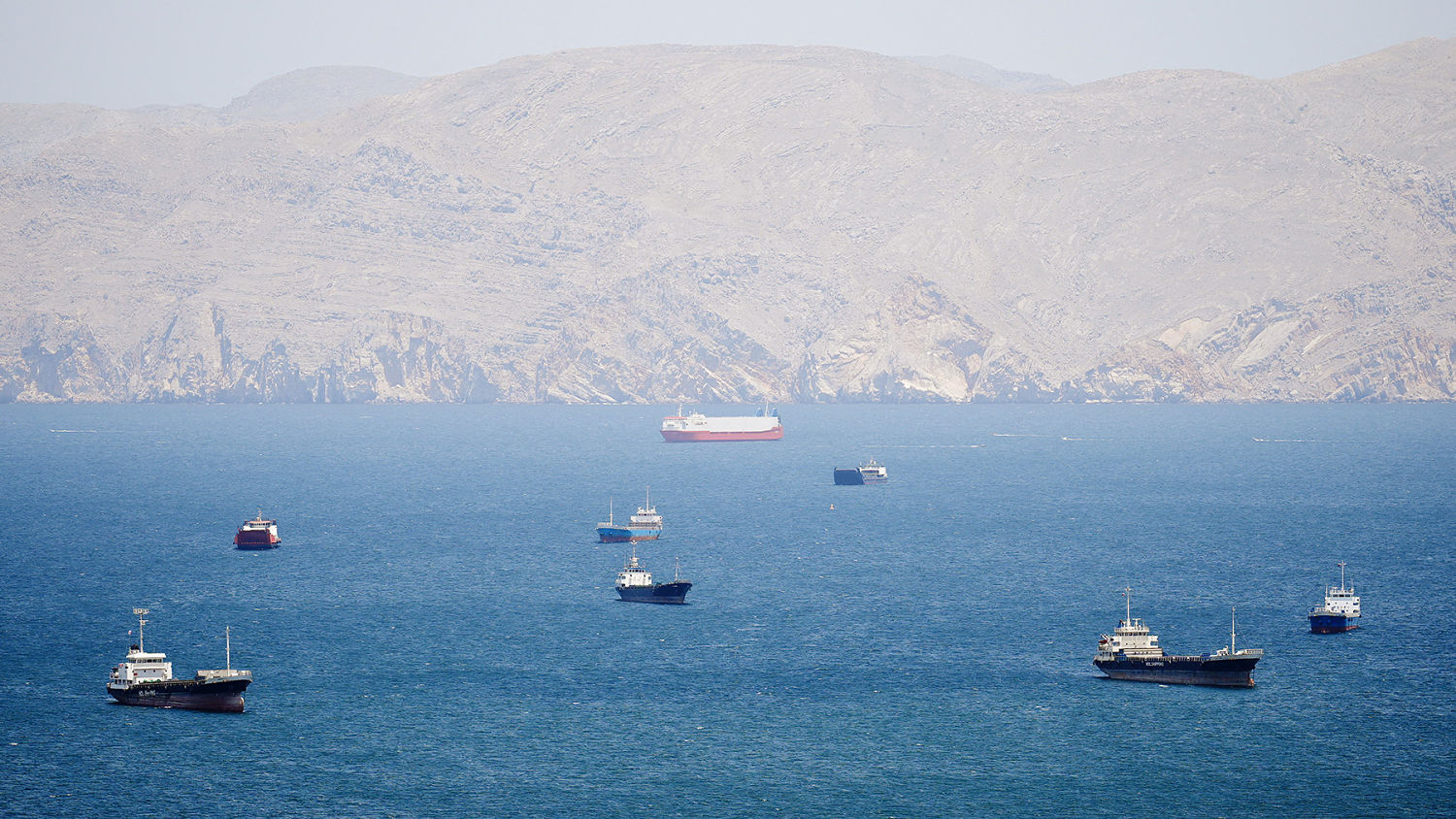
The Trump administration has quietly shifted course on the Strait of Hormuz, launching an effort to recruit allied nations to help escort commercial ships through the waterway after Iran moved to block it, even as President Donald Trump publicly claimed the U.S. could handle the situation alone.
The Strait of Hormuz is one of the world's most important chokepoints for oil and gas. Roughly 20% of global petroleum trade passes through the narrow stretch of water between Iran and Oman. Any sustained closure or threat to shipping there sends energy prices higher and rattles commodity markets almost immediately.
Trump's public statements suggested the U.S. had no need for outside support in reopening the strait. Behind the scenes, however, the administration has been reaching out to allies to join a coordinated escort effort for vessels trying to pass through. The gap between the two positions is notable, it suggests the administration recognizes that securing the strait reliably requires more naval capacity and diplomatic cover than the U.S. can provide unilaterally, even if Trump is unwilling to say so publicly.
The outreach to allies is complicated by the broader tone of U.S. foreign policy. Trump has repeatedly attacked allied governments on trade, defense spending, and other fronts, making it harder to secure fast, willing cooperation from the same countries the administration is now asking for help. Nations that feel publicly scolded by Washington may be slower or more conditional in committing ships and resources to a joint mission.
For energy markets, the key question is whether a functioning escort coalition can be assembled quickly enough to prevent a sustained disruption to tanker traffic. Even the threat of closure has historically been enough to push oil prices higher. A prolonged blockage or series of incidents in the strait could tighten global supply, raise shipping insurance costs, and push up fuel prices for consumers and businesses worldwide.
For U.S. allies in Europe and Asia, many of whom depend heavily on Gulf oil, the stakes are direct. Countries like Japan, South Korea, India, and several European nations have strong economic reasons to want the strait kept open, which gives the U.S. some leverage in its recruitment effort despite the diplomatic friction.
Watch for whether named allies publicly commit to the escort mission, how Iran responds to any coalition buildup, and whether oil futures markets begin pricing in a higher risk premium on Gulf shipments.
Qatar's foreign ministry said mediators including Qatar, Pakistan, and Oman have reached "very progressive stages" in efforts to end the US-Iran war, pushing Brent crude down more than four percent.
Qatar confirmed it is mediating between the US and Iran but said no direct talks are currently planned. The clarification follows conflicting statements from President Trump, who claimed talks are under way, and Tehran, which denied any dialogue is happening.
Saudi Aramco reported sharply higher second-quarter 2026 profits as the Iran war restricts global oil supply and pushes crude prices up. Other oil supermajors also posted outsized earnings, raising concerns about sustained fuel cost pressure for importing economies.
President Trump called current Iran negotiations the "last chance" to end five months of conflict, pushing oil prices higher. Tehran denied formal talks are taking place, raising the risk of a diplomatic breakdown with direct consequences for global energy markets.