
Qatar Signals Progress in US-Iran War Talks
Qatar's foreign ministry said mediators including Qatar, Pakistan, and Oman have reached "very progressive stages" in efforts to end the US-Iran war, pushing Brent crude down more than four percent.
Key Takeaways
May 8, 2026 · 2 min read · By Rishabh Bhardwaj
·
AI-assisted, human-reviewed · Our editorial standards
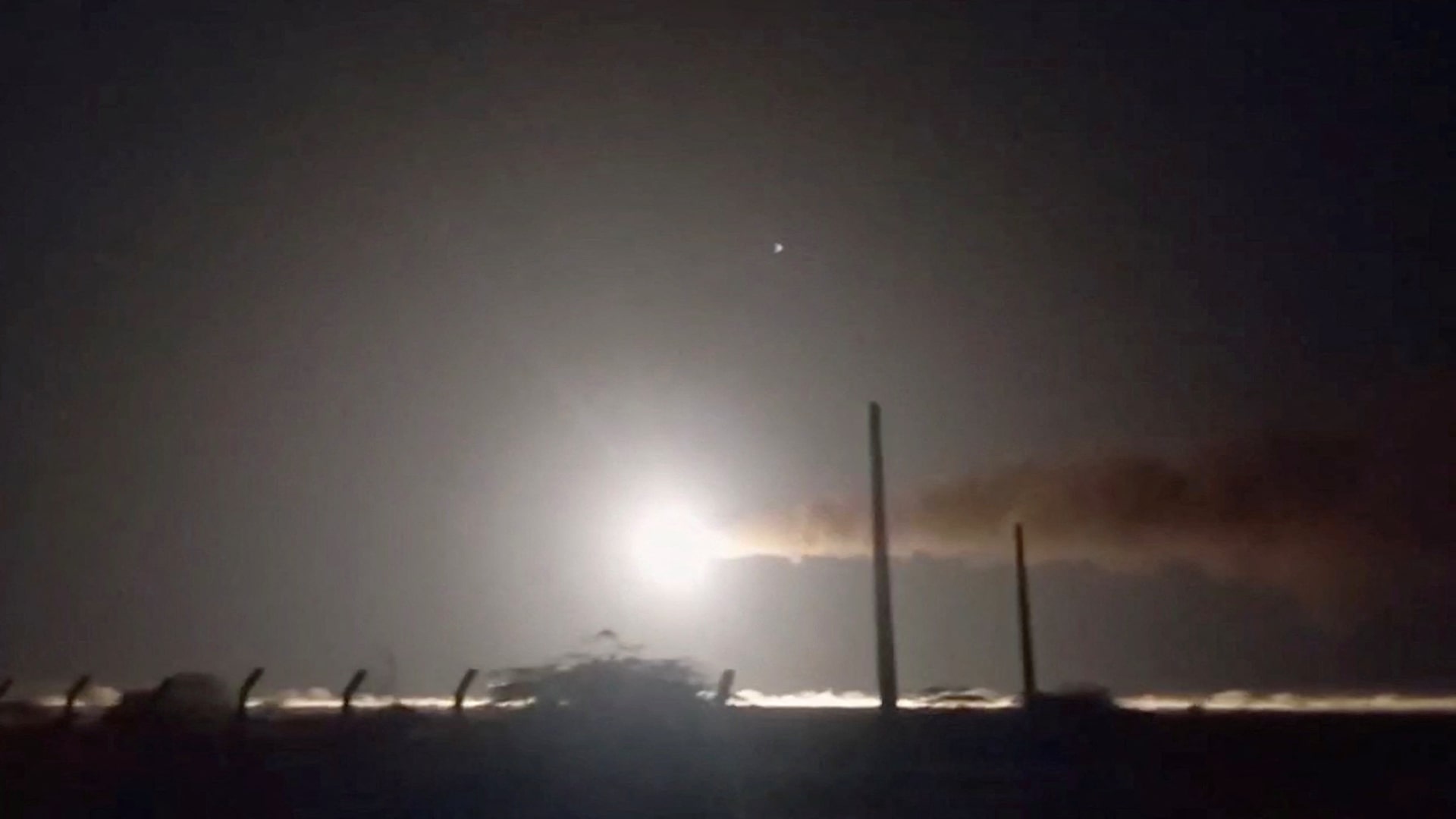
The United States and Iran exchanged fire even as a ceasefire between the two countries was reported to be in effect, President Trump said, signaling a fragile and contested pause in hostilities rather than a firm halt.
The exchange came while Washington was waiting for Tehran's formal response to a US proposal designed to stop the fighting. Notably, that proposal would leave the most contested issues unresolved, including Iran's nuclear programme, meaning any ceasefire would be a tactical pause rather than a broader diplomatic settlement.
The US proposal on the table is narrow in scope. It is aimed at stopping active fighting, not resolving the underlying disagreements that drove the conflict. Iran's nuclear programme, which has been the central flashpoint in tensions between Washington and Tehran for years, would remain an open question under the current framework. That makes any deal inherently unstable: it stops the guns without removing the reasons they were drawn.
The fact that both sides were still exchanging fire while a ceasefire was nominally in place raises serious questions about command and control, the willingness of both governments to enforce a truce, and whether any agreement could hold long enough for talks on deeper issues to begin.
Iran's formal response to the US proposal is the immediate thing to track. A rejection or prolonged silence would likely mean further escalation. An acceptance, even conditional, would shift attention to whether both sides can actually stop firing and who would verify compliance.
The unresolved nuclear question also matters for markets and regional stability. Oil prices and broader Middle East risk sentiment are sensitive to any sign that this conflict could widen or drag on. Until a durable ceasefire is confirmed and the nuclear issue has a negotiating path, uncertainty will remain high.
Qatar's foreign ministry said mediators including Qatar, Pakistan, and Oman have reached "very progressive stages" in efforts to end the US-Iran war, pushing Brent crude down more than four percent.
Qatar confirmed it is mediating between the US and Iran but said no direct talks are currently planned. The clarification follows conflicting statements from President Trump, who claimed talks are under way, and Tehran, which denied any dialogue is happening.
Saudi Aramco reported sharply higher second-quarter 2026 profits as the Iran war restricts global oil supply and pushes crude prices up. Other oil supermajors also posted outsized earnings, raising concerns about sustained fuel cost pressure for importing economies.
President Trump called current Iran negotiations the "last chance" to end five months of conflict, pushing oil prices higher. Tehran denied formal talks are taking place, raising the risk of a diplomatic breakdown with direct consequences for global energy markets.