
Qatar Signals Progress in US-Iran War Talks
Qatar's foreign ministry said mediators including Qatar, Pakistan, and Oman have reached "very progressive stages" in efforts to end the US-Iran war, pushing Brent crude down more than four percent.
Key Takeaways
May 24, 2026 · 3 min read · By Rishabh Bhardwaj
·
AI-assisted, human-reviewed · Our editorial standards
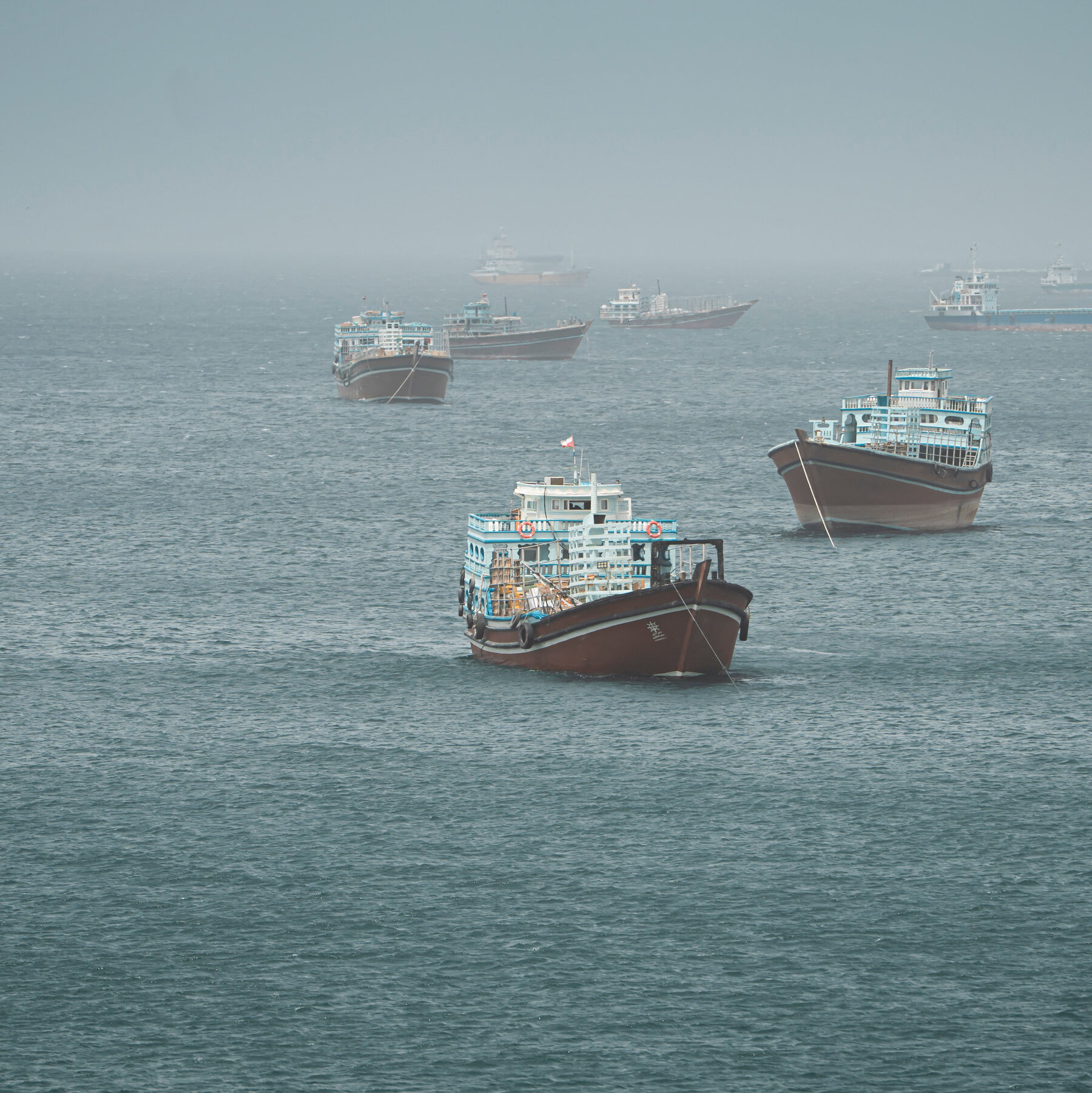
The United States and Iran have agreed in principle to a deal that would reopen the Strait of Hormuz, a critical chokepoint for global oil shipments, according to a U.S. official. The agreement marks a significant shift in a standoff that had raised fears of a wider disruption to energy markets.
The Strait of Hormuz sits between Iran and the Arabian Peninsula and handles roughly one-fifth of the world's oil supply. Any closure or sustained threat to navigation there sends immediate ripple effects through crude prices and global shipping costs, making it one of the most watched pressure points in geopolitics.
The deal, as described, is narrow in scope. It does not require Iran to reduce or dismantle its missile stockpile, and it does not impose a moratorium on uranium enrichment. Those two issues have been central sticking points in broader nuclear negotiations, and their absence from this agreement signals that the two governments chose to separate the maritime dispute from the larger unresolved nuclear file.
By focusing solely on freedom of navigation through the strait, both sides appear to have found the minimum common ground needed to step back from an immediate flashpoint. Iran's ability to threaten or physically block the strait has long been its most potent economic leverage. An agreement to keep the waterway open, even without broader concessions, removes a near-term risk that markets and oil-dependent economies had been pricing in.
The exclusion of missiles and enrichment, however, means the underlying tensions that produced the crisis remain intact. Iran's enrichment program continues to advance its nuclear capabilities, and its missile arsenal remains a central concern for the United States, Israel, and Gulf states. Any future deterioration in relations could put the strait back in play quickly.
For energy markets, the immediate read is relief. Oil prices had been sensitive to any signal of escalation in the region, and a confirmed agreement to keep the strait open reduces the risk premium that traders attach to crude. Shipping insurers and tanker operators, who had been adjusting rates to reflect the threat, will also reassess their exposure.
The phrase "agreed in principle" carries weight here. It means the framework exists but the formal mechanics, verification, and implementation are not yet complete. How the deal is enforced, and which body or process monitors compliance, will determine whether it holds under pressure.
The broader nuclear negotiation track remains separate and unresolved. Without a deal on enrichment or missiles, the diplomatic relationship between Washington and Tehran stays fragile. A breakdown in either track could quickly erase the goodwill this maritime agreement represents.
Gulf states, particularly Saudi Arabia and the UAE, whose oil exports transit the strait daily, will be watching closely. For India, which imports significant volumes of Gulf crude and has large numbers of workers in the region, stable passage through Hormuz has direct consequences for energy costs and supply security.
The coming days will clarify whether this in-principle agreement translates into a durable arrangement or remains a temporary pause in a longer confrontation.
Qatar's foreign ministry said mediators including Qatar, Pakistan, and Oman have reached "very progressive stages" in efforts to end the US-Iran war, pushing Brent crude down more than four percent.
Qatar confirmed it is mediating between the US and Iran but said no direct talks are currently planned. The clarification follows conflicting statements from President Trump, who claimed talks are under way, and Tehran, which denied any dialogue is happening.
Saudi Aramco reported sharply higher second-quarter 2026 profits as the Iran war restricts global oil supply and pushes crude prices up. Other oil supermajors also posted outsized earnings, raising concerns about sustained fuel cost pressure for importing economies.
President Trump called current Iran negotiations the "last chance" to end five months of conflict, pushing oil prices higher. Tehran denied formal talks are taking place, raising the risk of a diplomatic breakdown with direct consequences for global energy markets.