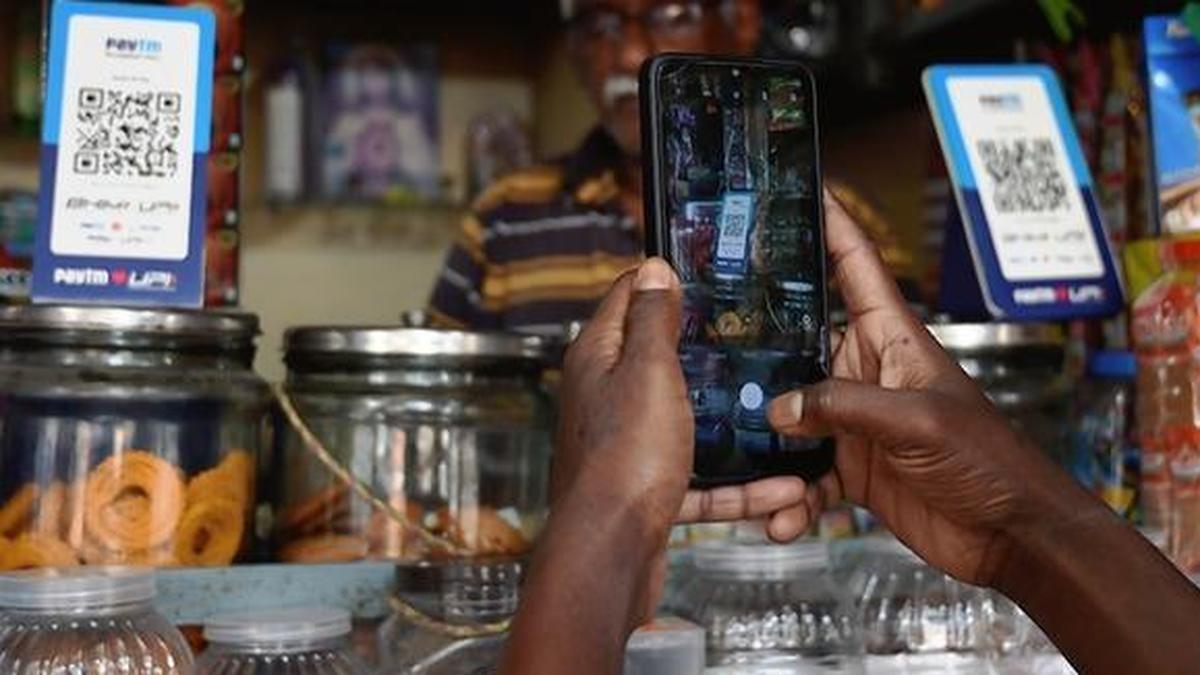
India's Unified Payments Interface crossed a new milestone in FY26, processing 24,162 crore transactions valued at ₹314 lakh crore. That is a significant jump in both volume and value, cementing UPI as the backbone of India's retail payments infrastructure. The numbers come as the government renewed its stated commitment to expanding the digital payments ecosystem, with emphasis on innovation, security, and financial inclusion. UPI now handles everything from street vendor payments to large business transfers, making it one of the world's largest real-time payments networks by transaction count. The scale matters beyond convenience. A larger UPI footprint gives the government and regulators richer data on spending patterns, supports credit underwriting for the unbanked, and pushes more economic activity into the formal, traceable economy. Wider adoption also strengthens India's case for exporting the UPI stack to other countries, a strategic push already underway. Watch for policy moves around merchant discount rates, cross-border UPI expansion, and new use cases tied to credit on UPI.
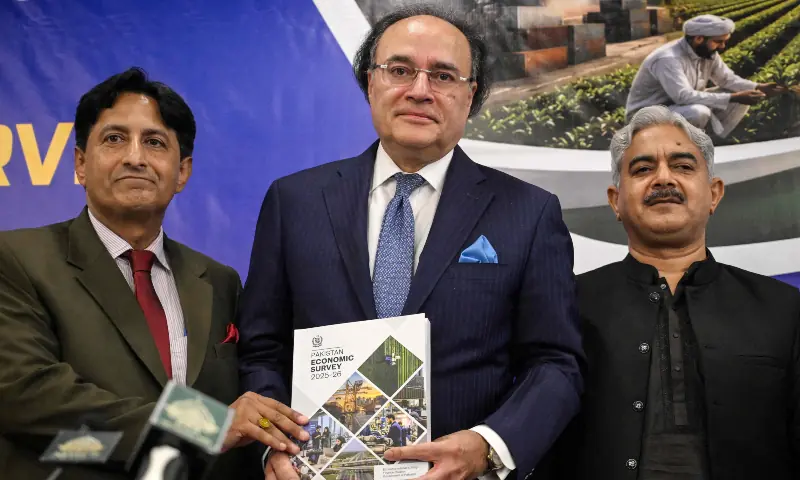
Pakistan's economy grew 3.7 percent in FY2026, its fastest rate in four years, according to the Pakistan Economic Survey presented by Finance Minister Muhammad Aurangzeb. Growth beat last year's 3.18 percent but missed the 4.2 percent target, with floods, regional conflict, and weaker food exports cited as key drags.
The Union government released an additional Rs 1,09,019 crore in tax devolution to states on August 1, 2026, separate from the regular monthly transfer. The lump-sum release aims to accelerate state capital spending in the July-September quarter, with Uttar Pradesh, Bihar, and Madhya Pradesh among the top recipients.
US mortgage rates have risen to a one-year high as markets weigh Federal Reserve rate uncertainty and Middle East conflict-driven inflation fears. Higher rates increase monthly payments for new buyers and are likely to further suppress housing market activity and refinancing.
Pakistan's Sensitive Price Index rose 13.52 percent year on year for the week ending July 2, 2026, marking 45 consecutive weeks of annual gains. Electricity up 49 percent, wheat flour up 68 percent, and LPG up 44 percent year on year are the main drivers.