
Qatar Signals Progress in US-Iran War Talks
Qatar's foreign ministry said mediators including Qatar, Pakistan, and Oman have reached "very progressive stages" in efforts to end the US-Iran war, pushing Brent crude down more than four percent.
Key Takeaways
May 1, 2026 · 2 min read · By Rishabh Bhardwaj
·
AI-assisted, human-reviewed · Our editorial standards
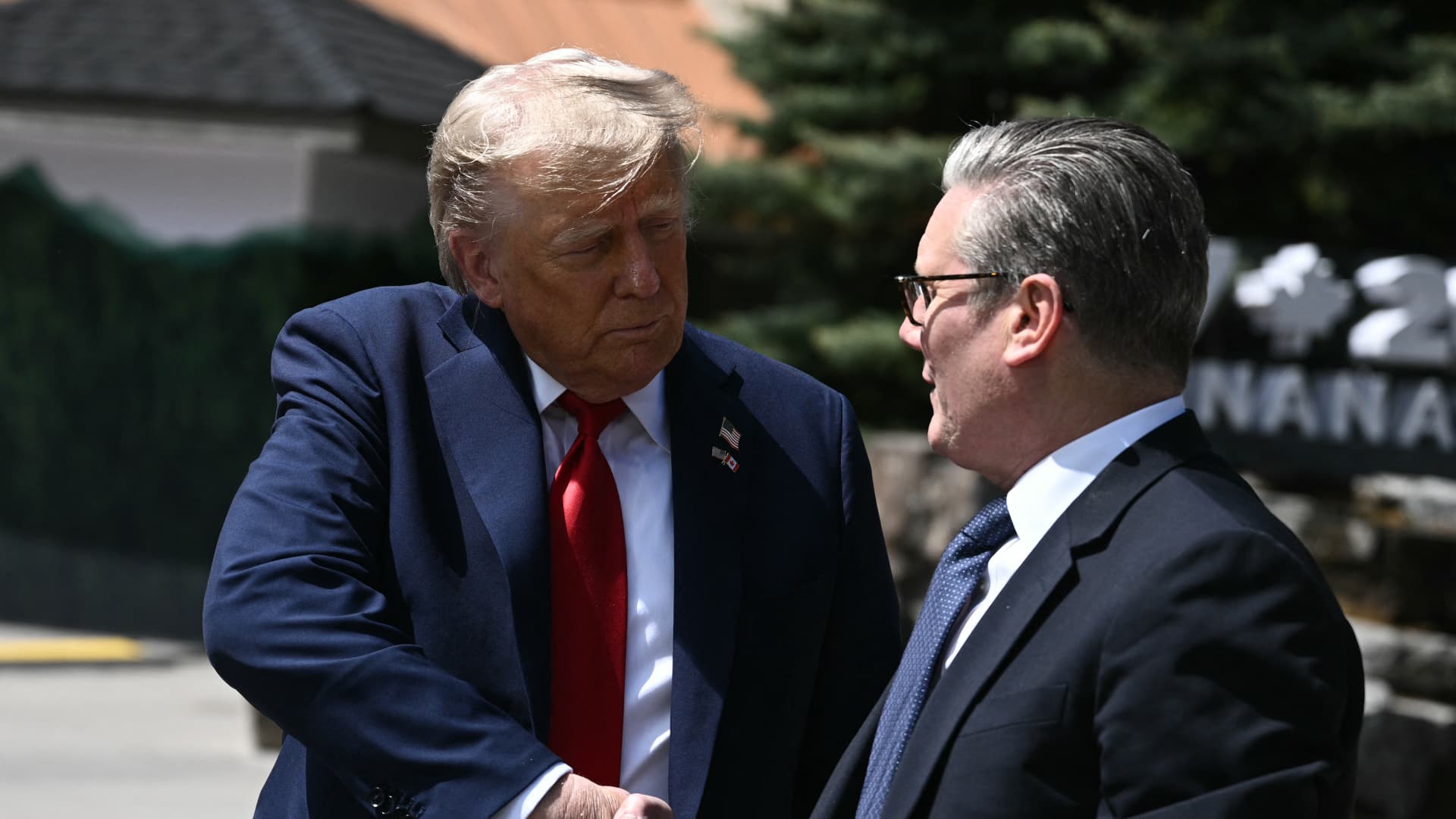
UK exports to the United States fell by 25% following the sweeping tariffs introduced by President Donald Trump on what he called 'liberation day,' pushing the UK into a trade deficit with its largest trading partner.
The scale of the drop is significant. A 25% fall in exports means UK goods have become sharply more expensive for American buyers, who now face the additional tariff cost on top of the original price. That tends to suppress demand quickly, particularly for price-sensitive manufactured goods, consumer products, and components used in US supply chains.
The shift to a trade deficit with the US is a structural change in the relationship. Until now, the UK had maintained a surplus, exporting more to the US than it imported, which gave UK businesses and the broader economy a net inflow of foreign earnings from that corridor. A deficit reverses that flow, meaning the UK is now spending more on American goods than it earns from selling into the US market.
For UK exporters, particularly manufacturers and specialty goods producers, the tariff wall creates an immediate margin problem. Either they absorb the tariff cost and accept lower returns, or they pass it on to US buyers and risk losing orders to competitors from countries with better tariff terms. Neither option is clean.
The timing adds pressure. The UK is still working to rebuild trade relationships after Brexit restructured its access to European markets. A simultaneous deterioration in US market access tightens the squeeze on sectors that had been counting on transatlantic trade as a growth route.
The UK government faces a choice between accepting the new tariff environment and absorbing the economic drag, or accelerating trade negotiations with Washington to seek relief. Any formal trade deal with the US would take considerable time to conclude, meaning near-term export volumes are likely to stay under pressure. Businesses exposed to the US market will be watching for any bilateral talks that could soften the tariff regime, but no concrete timeline for such negotiations has been confirmed.
The 25% export decline sets a hard baseline. How long it holds will depend on whether UK-US trade talks gain traction and whether affected exporters can redirect sales toward other markets.
Qatar's foreign ministry said mediators including Qatar, Pakistan, and Oman have reached "very progressive stages" in efforts to end the US-Iran war, pushing Brent crude down more than four percent.
Qatar confirmed it is mediating between the US and Iran but said no direct talks are currently planned. The clarification follows conflicting statements from President Trump, who claimed talks are under way, and Tehran, which denied any dialogue is happening.
Saudi Aramco reported sharply higher second-quarter 2026 profits as the Iran war restricts global oil supply and pushes crude prices up. Other oil supermajors also posted outsized earnings, raising concerns about sustained fuel cost pressure for importing economies.
President Trump called current Iran negotiations the "last chance" to end five months of conflict, pushing oil prices higher. Tehran denied formal talks are taking place, raising the risk of a diplomatic breakdown with direct consequences for global energy markets.