
Qatar Signals Progress in US-Iran War Talks
Qatar's foreign ministry said mediators including Qatar, Pakistan, and Oman have reached "very progressive stages" in efforts to end the US-Iran war, pushing Brent crude down more than four percent.
Key Takeaways
May 2, 2026 · 3 min read · By Rishabh Bhardwaj
·
AI-assisted, human-reviewed · Our editorial standards
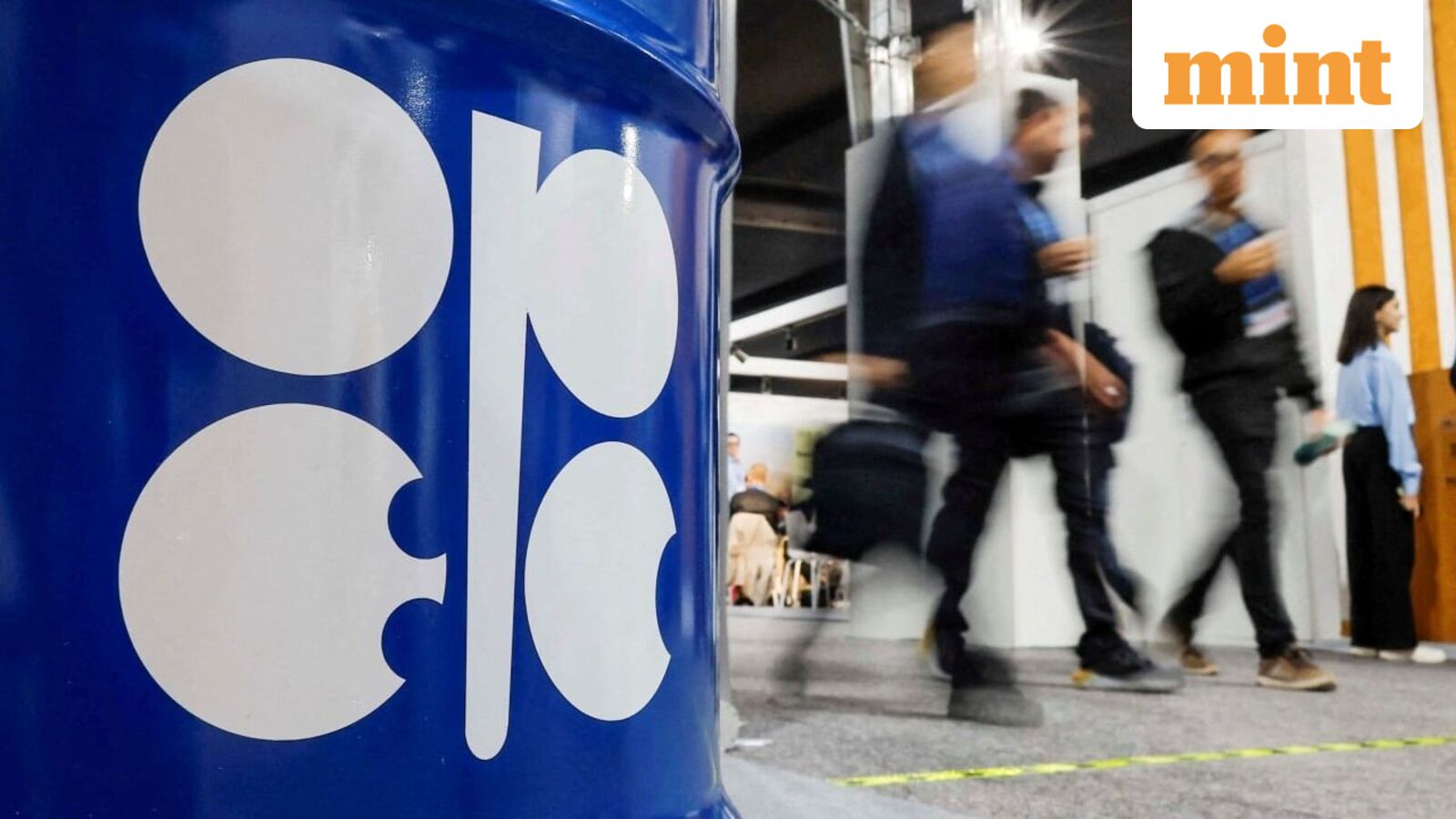
The United Arab Emirates has decided to leave OPEC, the oil producers' cartel it has been part of for decades. Experts describe the move as a calculated strategic shift rather than a sudden break, shaped by both economic pressures and the wider geopolitical tension surrounding the US-Iran confrontation.
The UAE has long chafed under OPEC's production quota system. As one of the cartel's most efficient and low-cost producers, Abu Dhabi has consistently wanted to pump more oil than its allotted ceiling allowed. Every barrel left in the ground because of a quota is a direct cost to the UAE's state revenues and its long-term development plans.
The country has invested heavily in expanding its production capacity, and sitting on that capacity while quota constraints limit output has grown increasingly difficult to justify domestically. The tension between the UAE's own production ambitions and OPEC's collective discipline has been building for years.
The US-Iran conflict adds a separate but connected pressure. OPEC's dynamics have always been shaped partly by the relationship between Saudi Arabia and Iran, two countries on opposing sides of a deep regional divide. As US pressure on Iran intensifies, the calculus inside OPEC shifts. The UAE, which has been moving closer to the United States and has its own complicated relationship with Iran given their geographic proximity and disputed islands, finds the political environment inside OPEC increasingly uncomfortable.
Leaving the group gives the UAE more room to align its oil policy directly with its own foreign and economic priorities, rather than navigating the collective politics of a body where Iran, through its allies, still holds influence.
There is also a longer-term angle. The UAE has been diversifying its economy aggressively under its national development strategy, investing in tourism, finance, and technology. A departure from OPEC signals that oil is no longer the only lens through which Abu Dhabi wants to be seen or constrained.
For global oil markets, the UAE's exit raises questions about OPEC's cohesion. The group loses one of its more disciplined and significant producers, which could complicate future efforts to manage supply and defend price floors. Other members watching the UAE's move may weigh their own flexibility differently going forward.
The immediate market question is how much additional supply the UAE might choose to release once it is no longer bound by quota agreements, and whether that puts downward pressure on crude prices at a moment when global demand signals are already mixed.
Qatar's foreign ministry said mediators including Qatar, Pakistan, and Oman have reached "very progressive stages" in efforts to end the US-Iran war, pushing Brent crude down more than four percent.
Qatar confirmed it is mediating between the US and Iran but said no direct talks are currently planned. The clarification follows conflicting statements from President Trump, who claimed talks are under way, and Tehran, which denied any dialogue is happening.
Saudi Aramco reported sharply higher second-quarter 2026 profits as the Iran war restricts global oil supply and pushes crude prices up. Other oil supermajors also posted outsized earnings, raising concerns about sustained fuel cost pressure for importing economies.
President Trump called current Iran negotiations the "last chance" to end five months of conflict, pushing oil prices higher. Tehran denied formal talks are taking place, raising the risk of a diplomatic breakdown with direct consequences for global energy markets.