
Qatar Signals Progress in US-Iran War Talks
Qatar's foreign ministry said mediators including Qatar, Pakistan, and Oman have reached "very progressive stages" in efforts to end the US-Iran war, pushing Brent crude down more than four percent.
Key Takeaways
May 8, 2026 · 2 min read · By Rishabh Bhardwaj
·
AI-assisted, human-reviewed · Our editorial standards
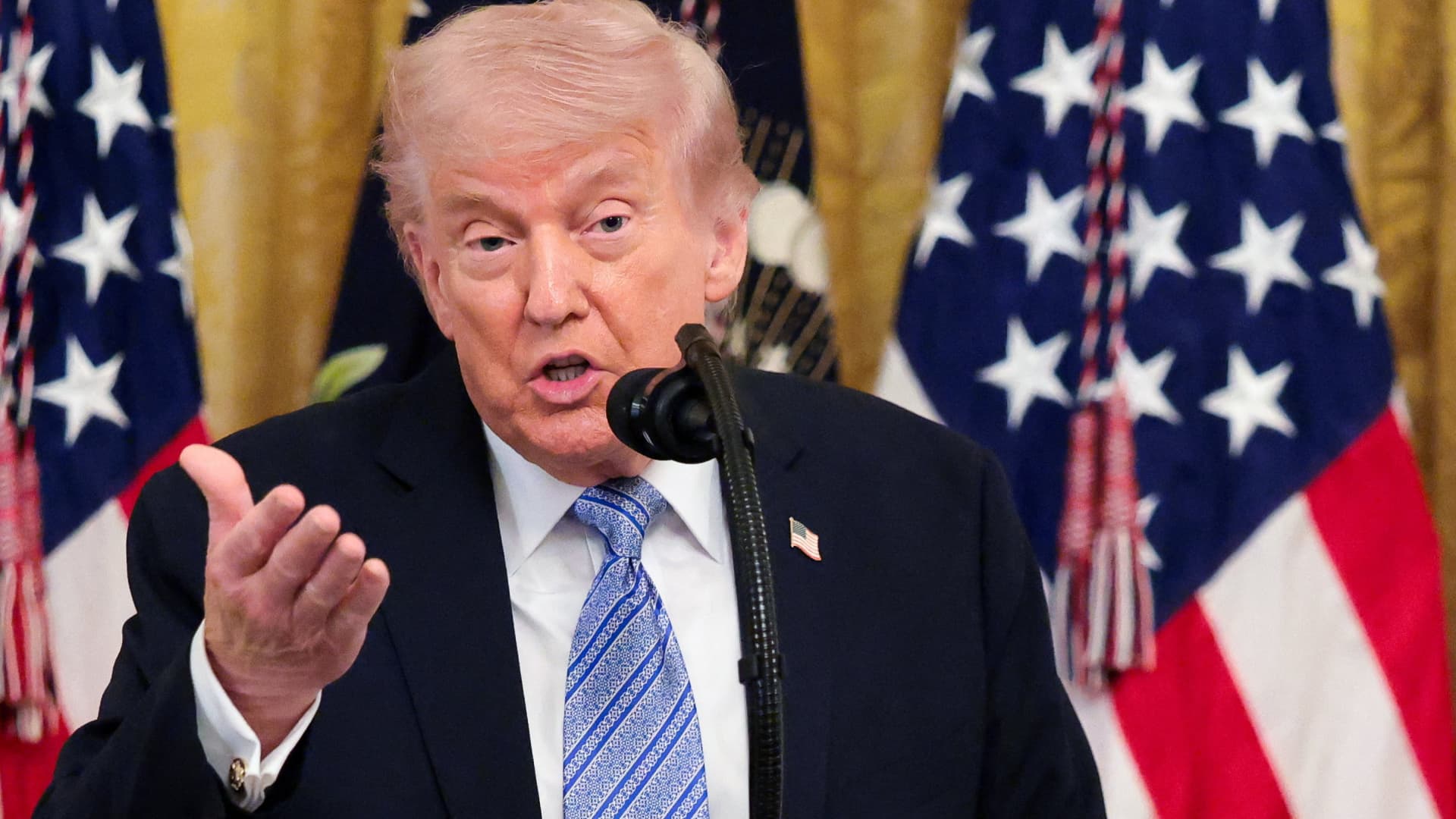
President Donald Trump has threatened the European Union with significantly higher tariffs if a trade deal is not signed by July 4, giving Brussels a firm new deadline to reach an agreement with Washington.
The July 4 date carries obvious symbolic weight for the U.S. side, but the practical pressure is real. Trump's threat means the EU now faces a binary choice: conclude a deal on American terms within weeks, or absorb a new round of tariff increases on top of existing levies already straining transatlantic trade flows.
The EU is the United States' largest trading partner by combined goods and services volume. Tariffs on European exports, particularly cars, steel, pharmaceuticals, and agricultural products, would push up costs for American importers and European manufacturers simultaneously. European exporters selling into the U.S. market would face squeezed margins or be forced to raise prices, potentially losing market share to non-EU competitors.
The threat also complicates the EU's internal negotiating position. Member states have different exposures: Germany's auto sector, Ireland's pharma industry, and France's agricultural exporters each face distinct risks from an escalating tariff regime. Reaching a unified EU position under a tight deadline is politically difficult, which may be exactly the pressure Trump is applying.
Trump has used tariff deadlines as a negotiating tool with multiple trading partners since returning to office. Some countries have secured temporary pauses or framework agreements; others have faced escalating levies after talks stalled. The July 4 deadline follows a pattern of compressed timelines designed to force counterparties to move quickly rather than negotiate at their preferred pace.
For financial markets, the key variable is whether the EU signals a credible path to a deal or signals it will retaliate. A retaliatory response from Brussels, matching tariffs on U.S. goods, would escalate into a full trade conflict affecting equities in export-heavy sectors on both sides of the Atlantic.
Watch for the European Commission's formal response in the coming days, and whether any preliminary framework is announced before July 4. If no deal materialises, the tariff increase timeline and its exact scope will be the next critical detail to track.
Qatar's foreign ministry said mediators including Qatar, Pakistan, and Oman have reached "very progressive stages" in efforts to end the US-Iran war, pushing Brent crude down more than four percent.
Qatar confirmed it is mediating between the US and Iran but said no direct talks are currently planned. The clarification follows conflicting statements from President Trump, who claimed talks are under way, and Tehran, which denied any dialogue is happening.
Saudi Aramco reported sharply higher second-quarter 2026 profits as the Iran war restricts global oil supply and pushes crude prices up. Other oil supermajors also posted outsized earnings, raising concerns about sustained fuel cost pressure for importing economies.
President Trump called current Iran negotiations the "last chance" to end five months of conflict, pushing oil prices higher. Tehran denied formal talks are taking place, raising the risk of a diplomatic breakdown with direct consequences for global energy markets.