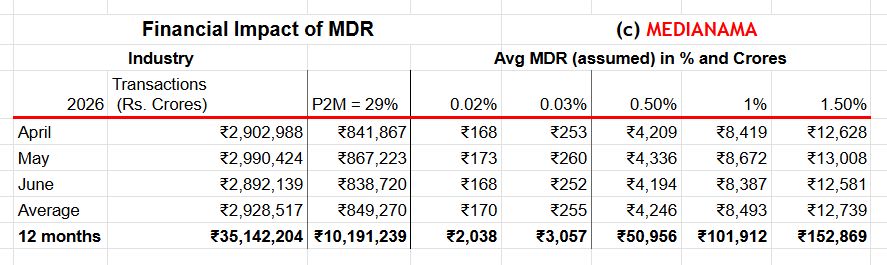
India to Restore UPI Merchant Fees, PhonePe Gains Most
India's government plans to amend the Payment and Settlement Systems Act to restore UPI merchant discount rates, ending the zero-MDR regime in place since January 2020.
Key Takeaways
May 3, 2026 · 2 min read · By Rishabh Bhardwaj
·
AI-assisted, human-reviewed · Our editorial standards
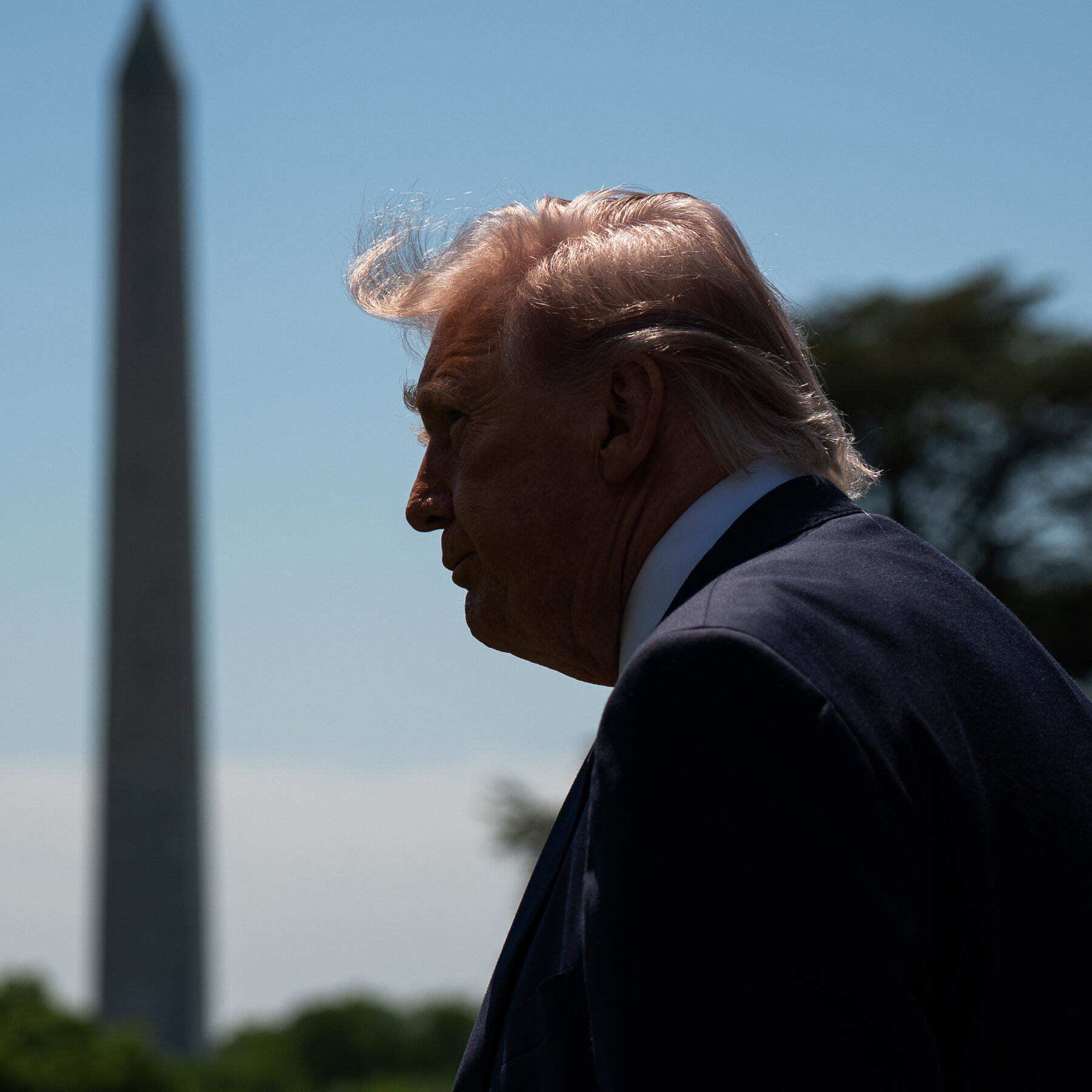
President Donald Trump has sent formal letters to both the House and Senate asserting that U.S. military hostilities against Iran have "terminated," a legal move designed to sidestep the requirement to seek congressional authorization for continued military action.
The claim of termination is not simply a factual update, it carries direct constitutional weight. Under the War Powers Resolution of 1973, a president who commits U.S. forces to hostilities must notify Congress within 48 hours and, absent congressional authorization, must end those hostilities within 60 days. By declaring the hostilities over, Trump is effectively arguing that the 60-day clock has stopped and that no vote on authorization is needed.
Congress has long contested presidential war-making powers, and the War Powers Resolution was passed specifically to check executive military action. In practice, however, presidents of both parties have routinely interpreted the law narrowly to preserve flexibility, and Congress has rarely forced the issue through binding votes.
Trump's letters follow the same playbook: frame the action as complete before the authorization deadline becomes politically unavoidable. The move puts the legal burden on Congress to challenge that framing, which requires political will and procedural coordination that majorities have historically struggled to assemble.
The practical effect is that Trump can avoid a potentially divisive floor vote on whether the military strikes against Iran were lawful and whether any further action is sanctioned. Members of Congress who believe the hostilities have not truly ended, or that the initial strikes required prior authorization, face an uphill path to force a legal resolution.
Any congressional challenge would likely involve a concurrent resolution demanding withdrawal of forces, a procedural tool that has rarely succeeded. Courts have also generally declined to referee War Powers disputes between the two branches, leaving enforcement to political pressure rather than legal mandate.
The broader significance is that the administration is establishing a precedent: that a president can define when a military episode begins and ends for the purpose of circumventing the authorization requirement. How Congress responds, or fails to, will shape the boundaries of executive war power in future conflicts.
India's government plans to amend the Payment and Settlement Systems Act to restore UPI merchant discount rates, ending the zero-MDR regime in place since January 2020.
India's government has introduced the Taxation and Other Laws (Amendment) Bill, 2026, proposing changes to payments regulation, income tax, and the Finance Act to attract FDI and support Make in India. The Bill's final shape will depend on parliamentary debate and committee review.
The government's Taxation and Other Laws (Amendment) Bill, 2026, proposes to replace the blanket UPI MDR ban with a system allowing the Centre to notify which payment modes stay fee-free.
Prime Minister Narendra Modi inaugurated the Rs 5,000 crore Bhogapuram greenfield airport in Andhra Pradesh, built under a public-private partnership model. He also laid foundation stones for infrastructure projects worth nearly Rs 18,000 crore in the state, signalling a broad investment push for the region.