
Qatar Signals Progress in US-Iran War Talks
Qatar's foreign ministry said mediators including Qatar, Pakistan, and Oman have reached "very progressive stages" in efforts to end the US-Iran war, pushing Brent crude down more than four percent.
Key Takeaways
May 3, 2026 · 2 min read · By Rishabh Bhardwaj
·
AI-assisted, human-reviewed · Our editorial standards
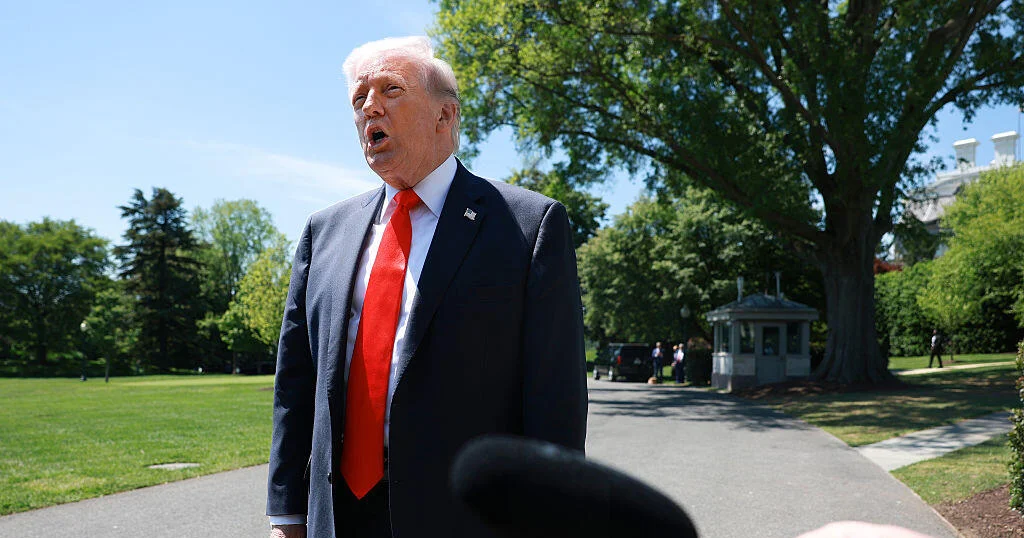
President Trump formally notified Congress on Friday that hostilities with Iran have "terminated," a declaration timed to a critical 60-day deadline under the War Powers Resolution.
The War Powers Resolution requires a president to notify Congress within 48 hours of committing U.S. forces to armed conflict, and then limits military action to 60 days without explicit congressional authorization. By declaring hostilities over, Trump effectively stops that clock before Congress could force a formal debate or vote on the military engagement with Iran.
The 60-day window is a legal pressure point. Once it expires without authorization, Congress gains leverage to demand a withdrawal of forces or hold votes that could embarrass the administration. A presidential declaration that hostilities have ended sidesteps that mechanism entirely, removing the immediate legal urgency for a congressional response.
The move also carries diplomatic weight. A formal statement to Congress that the conflict is over sets an official U.S. government record of how and when the episode ended, which matters for any ongoing negotiations, sanctions posture, or future legal disputes tied to the engagement.
Congress can still push back. Lawmakers skeptical of the administration's characterization may challenge whether hostilities have genuinely ended or argue the declaration is premature. The Senate and House could introduce resolutions disputing Trump's framing, though passing them over a potential veto would be difficult.
For markets and regional stability, the declaration signals Washington does not currently intend to escalate further with Iran. That matters for oil prices, given Iran's role as a major producer and the sensitivity of Gulf shipping lanes to any U.S.-Iran military tension. A formal "terminated" statement reduces the near-term risk premium that had been priced into energy markets during the period of active hostilities.
The broader Iran policy picture, including sanctions and nuclear talks, remains unresolved. The end of immediate military hostilities does not mean a diplomatic settlement is in place, and the underlying tensions that triggered the conflict have not been publicly addressed in this notification.
Qatar's foreign ministry said mediators including Qatar, Pakistan, and Oman have reached "very progressive stages" in efforts to end the US-Iran war, pushing Brent crude down more than four percent.
Qatar confirmed it is mediating between the US and Iran but said no direct talks are currently planned. The clarification follows conflicting statements from President Trump, who claimed talks are under way, and Tehran, which denied any dialogue is happening.
Saudi Aramco reported sharply higher second-quarter 2026 profits as the Iran war restricts global oil supply and pushes crude prices up. Other oil supermajors also posted outsized earnings, raising concerns about sustained fuel cost pressure for importing economies.
President Trump called current Iran negotiations the "last chance" to end five months of conflict, pushing oil prices higher. Tehran denied formal talks are taking place, raising the risk of a diplomatic breakdown with direct consequences for global energy markets.