India to Restore UPI Merchant Fees, PhonePe Gains Most
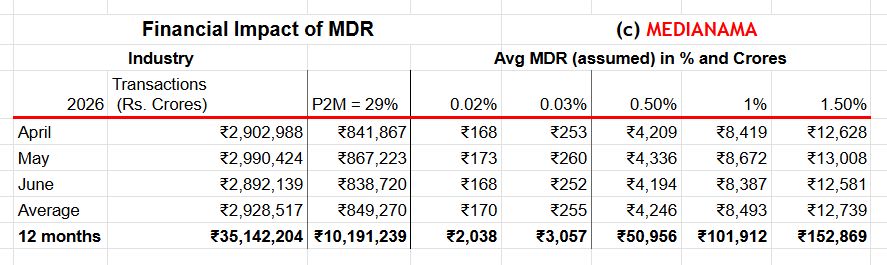
India's government plans to amend the Payment and Settlement Systems Act to restore UPI merchant discount rates, ending the zero-MDR regime in place since January 2020.
Key Takeaways
May 3, 2026 · 2 min read · By Rishabh Bhardwaj
·
AI-assisted, human-reviewed · Our editorial standards
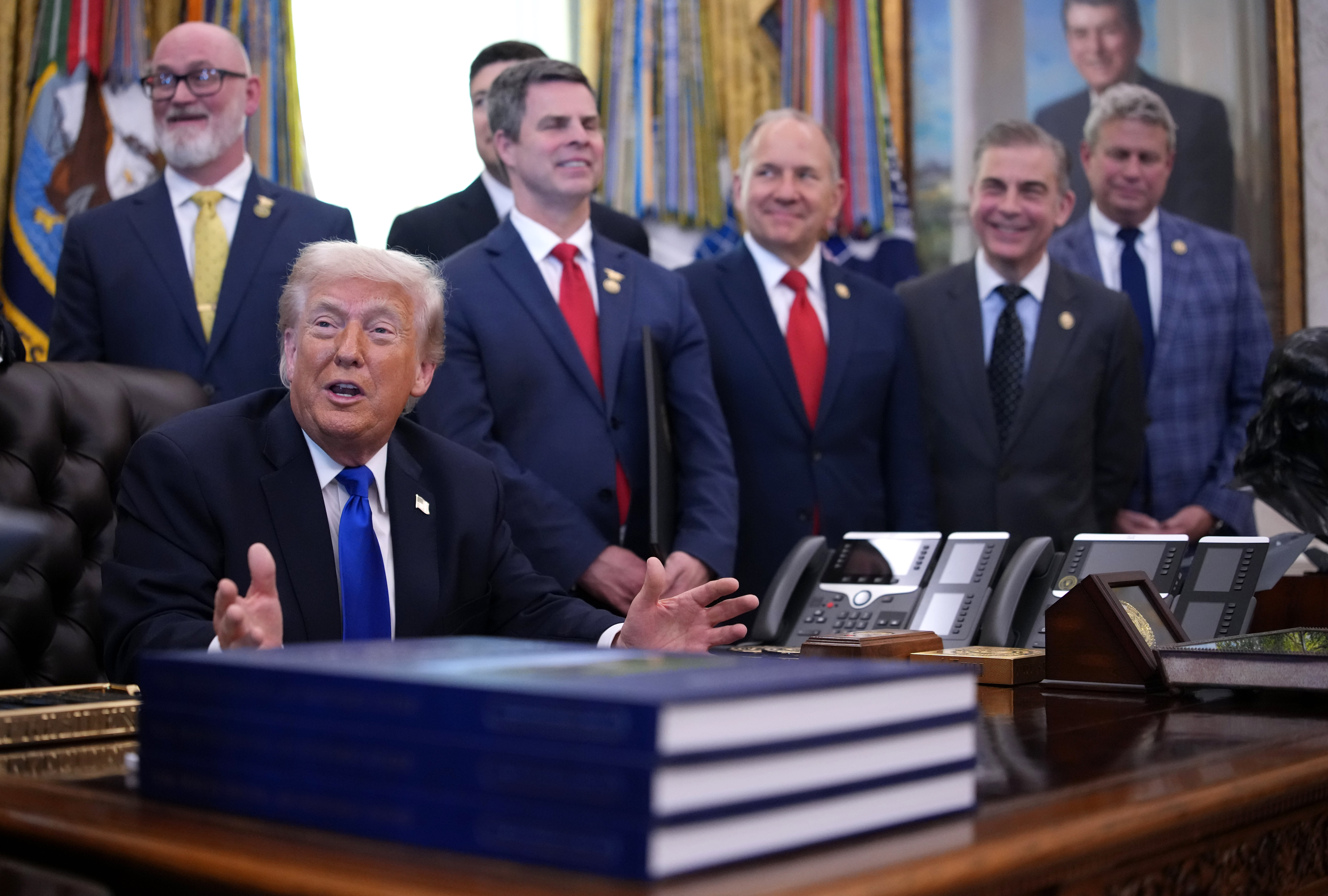
President Donald Trump has signed an executive order directing the creation of a new type of retirement savings account aimed at workers who do not have access to a 401(k) through their employer.
A large share of the American workforce, particularly part-time workers, gig economy workers, and employees at small businesses, has no employer-sponsored retirement plan. The 401(k) system is built around workplace participation, so anyone outside a qualifying employer has historically been limited to individual retirement accounts (IRAs), which carry lower contribution limits and fewer automatic features like employer matching.
The executive order instructs relevant federal agencies to design and stand up a new savings vehicle for this uncovered group. The details of how accounts would work, contribution limits, tax treatment, portability rules, and administration, have not been specified in the available information and would likely require further rulemaking or legislation to take full effect.
Executive orders can direct agencies and set policy priorities, but creating a fully functional retirement account framework typically requires congressional authorization, particularly for tax-advantaged status. That means the order may be better understood as a starting signal rather than a finished product.
The workers most likely to gain access are those currently left out of workplace retirement systems: freelancers, independent contractors, gig workers, and employees at small businesses that do not offer benefits. Collectively, this group numbers in the tens of millions, and many have little to no retirement savings accumulated through formal accounts.
If a workable structure emerges, the downstream effects could be meaningful, broader retirement savings participation, potential new inflows into financial markets, and reduced long-term pressure on public retirement support programs. However, those outcomes depend heavily on the final design, take-up rates, and whether Congress acts to give the accounts a tax-advantaged structure.
The next steps to watch are agency rulemaking announcements, any accompanying legislation in Congress, and whether the administration releases a detailed framework for how these accounts would be structured and administered.
India's government plans to amend the Payment and Settlement Systems Act to restore UPI merchant discount rates, ending the zero-MDR regime in place since January 2020.
India's government has introduced the Taxation and Other Laws (Amendment) Bill, 2026, proposing changes to payments regulation, income tax, and the Finance Act to attract FDI and support Make in India. The Bill's final shape will depend on parliamentary debate and committee review.
The government's Taxation and Other Laws (Amendment) Bill, 2026, proposes to replace the blanket UPI MDR ban with a system allowing the Centre to notify which payment modes stay fee-free.
Prime Minister Narendra Modi inaugurated the Rs 5,000 crore Bhogapuram greenfield airport in Andhra Pradesh, built under a public-private partnership model. He also laid foundation stones for infrastructure projects worth nearly Rs 18,000 crore in the state, signalling a broad investment push for the region.