
Qatar Signals Progress in US-Iran War Talks
Qatar's foreign ministry said mediators including Qatar, Pakistan, and Oman have reached "very progressive stages" in efforts to end the US-Iran war, pushing Brent crude down more than four percent.
Key Takeaways
May 7, 2026 · 2 min read · By Rishabh Bhardwaj
·
AI-assisted, human-reviewed · Our editorial standards
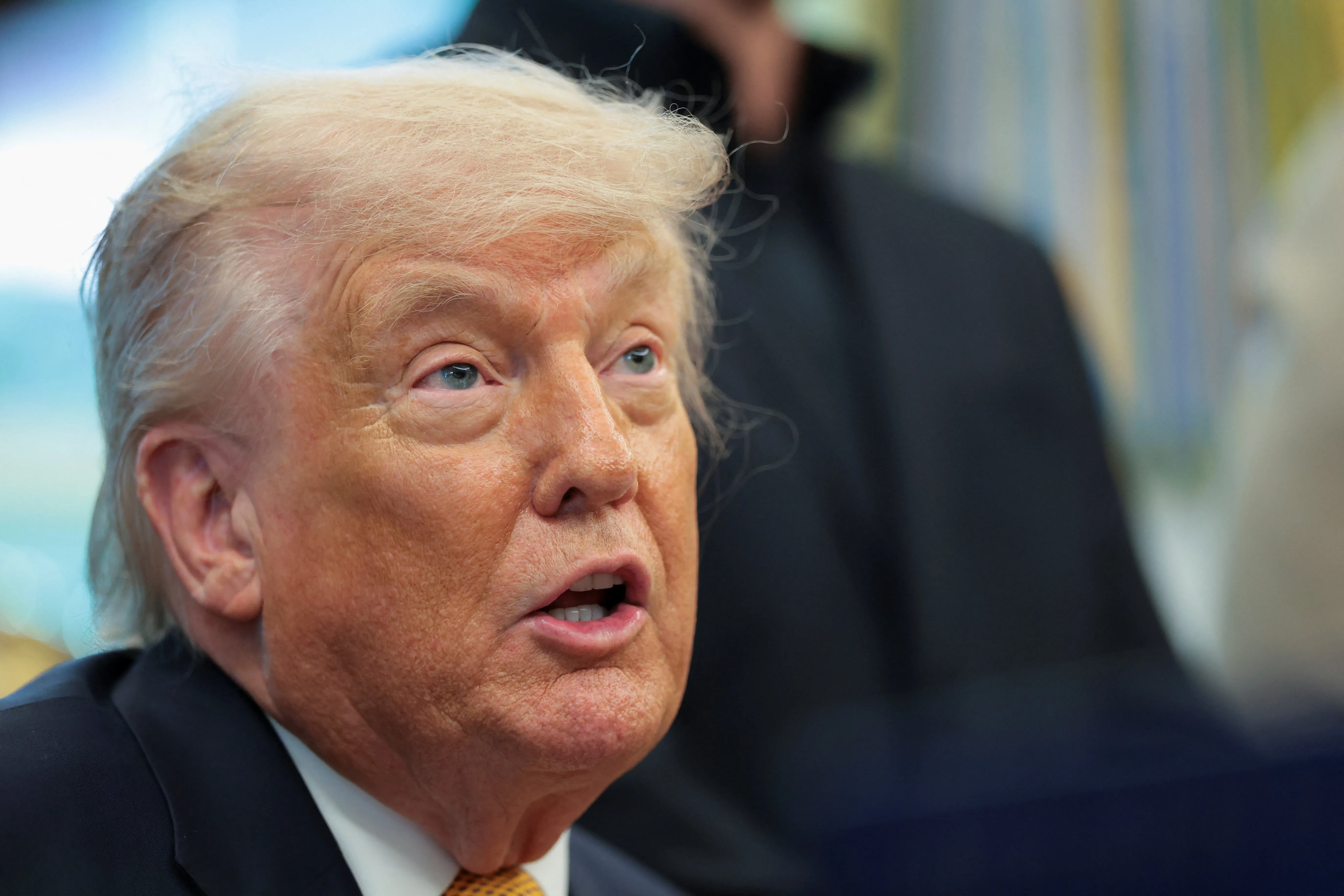
President Donald Trump has set July 4 as the deadline for a decision on raising tariffs on European Union goods, adding a firm timeline to trade tensions that have been building between Washington and Brussels.
Trump said he had a "great call" with European Commission President Ursula von der Leyen, though no details of what was discussed or agreed were disclosed. The July 4 date, U.S. Independence Day, gives both sides roughly a defined window to negotiate before any new tariff rates take effect or are formally announced.
The EU is one of the largest trading partners the United States has. Tariff hikes on EU goods would raise costs for American importers across a wide range of sectors, from cars and machinery to food and pharmaceuticals. European exporters would face a direct hit to their competitiveness in the U.S. market, and retaliatory measures from Brussels would likely follow, raising costs in the other direction too.
Trump has used tariff deadlines as leverage before, sometimes following through, sometimes using the threat to extract concessions. The July 4 framing adds political symbolism to the pressure, though whether it represents a hard enforcement date or a negotiating marker is not yet clear from the available information.
The next signal will come from how Von der Leyen and EU trade officials respond publicly in the coming days. Any joint statement, a scheduled follow-up meeting, or a leaked framework would suggest talks are progressing. Silence or a sharp EU rebuttal would point toward a harder standoff. Markets exposed to transatlantic trade, European automakers, luxury goods companies, and U.S. agricultural exporters among them, will be watching the July 4 window closely.
Qatar's foreign ministry said mediators including Qatar, Pakistan, and Oman have reached "very progressive stages" in efforts to end the US-Iran war, pushing Brent crude down more than four percent.
Qatar confirmed it is mediating between the US and Iran but said no direct talks are currently planned. The clarification follows conflicting statements from President Trump, who claimed talks are under way, and Tehran, which denied any dialogue is happening.
Saudi Aramco reported sharply higher second-quarter 2026 profits as the Iran war restricts global oil supply and pushes crude prices up. Other oil supermajors also posted outsized earnings, raising concerns about sustained fuel cost pressure for importing economies.
President Trump called current Iran negotiations the "last chance" to end five months of conflict, pushing oil prices higher. Tehran denied formal talks are taking place, raising the risk of a diplomatic breakdown with direct consequences for global energy markets.