
Qatar Signals Progress in US-Iran War Talks
Qatar's foreign ministry said mediators including Qatar, Pakistan, and Oman have reached "very progressive stages" in efforts to end the US-Iran war, pushing Brent crude down more than four percent.
Key Takeaways
May 7, 2026 · 2 min read · By Rishabh Bhardwaj
·
AI-assisted, human-reviewed · Our editorial standards
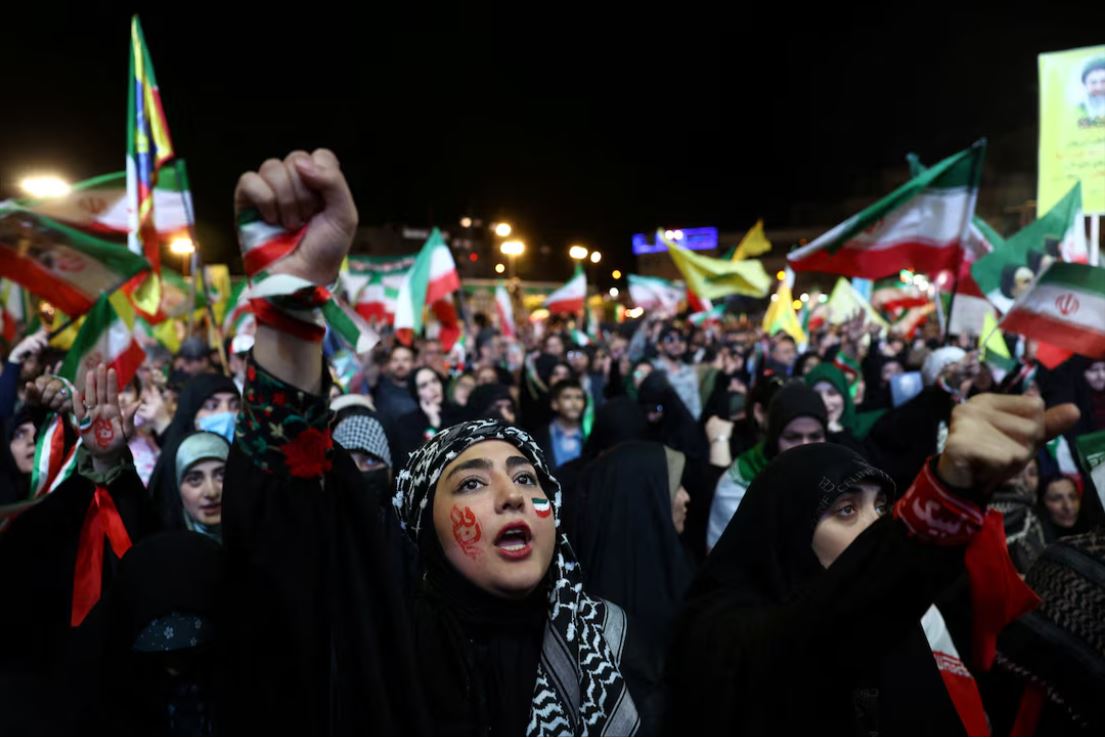
US President Donald Trump expressed confidence that the war in Gaza could end quickly, even as Iran publicly cooled on a peace proposal Washington had put forward. Iranian lawmaker Ebrahim Rezaei, a spokesperson for parliament's foreign policy and national security committee, called the US proposal "more of an American wish-list than a reality."
The dismissal from a senior Iranian parliamentary voice is significant. Iran's parliament committee on foreign policy and national security carries real weight in how Tehran frames its public positions, and Rezaei's language signals the proposal faces serious resistance before any formal negotiation can begin.
The specific terms of the US proposal are not detailed in available reporting, but the gap between Trump's optimism and Tehran's reaction points to a wide distance between what Washington is seeking and what Iran finds acceptable. Trump has previously tied any broader Middle East settlement to rolling back Iranian influence and Hamas's military capacity, conditions Tehran has consistently rejected.
Iran's backing of Hamas has been central to the group's ability to sustain fighting in Gaza. Any durable ceasefire or peace deal would need either Iranian cooperation or a framework that sidelines Tehran's leverage, neither of which appears close. Trump's confidence, expressed publicly, may be aimed at building pressure on other parties rather than reflecting a concrete diplomatic breakthrough.
For markets and regional governments, the gap between US optimism and Iranian skepticism keeps the conflict's timeline uncertain. Oil prices, shipping routes through the Red Sea, and broader Gulf stability all remain sensitive to how this plays out. Investors and businesses exposed to the region will watch whether back-channel talks follow or whether the public exchange of positions hardens into a stalemate.
The next signal to watch is whether Iran's government, as distinct from its parliament, responds formally to the US proposal, and whether any intermediary such as Qatar or Oman steps in to bridge the gap.
Qatar's foreign ministry said mediators including Qatar, Pakistan, and Oman have reached "very progressive stages" in efforts to end the US-Iran war, pushing Brent crude down more than four percent.
Qatar confirmed it is mediating between the US and Iran but said no direct talks are currently planned. The clarification follows conflicting statements from President Trump, who claimed talks are under way, and Tehran, which denied any dialogue is happening.
Saudi Aramco reported sharply higher second-quarter 2026 profits as the Iran war restricts global oil supply and pushes crude prices up. Other oil supermajors also posted outsized earnings, raising concerns about sustained fuel cost pressure for importing economies.
President Trump called current Iran negotiations the "last chance" to end five months of conflict, pushing oil prices higher. Tehran denied formal talks are taking place, raising the risk of a diplomatic breakdown with direct consequences for global energy markets.