
Qatar Signals Progress in US-Iran War Talks
Qatar's foreign ministry said mediators including Qatar, Pakistan, and Oman have reached "very progressive stages" in efforts to end the US-Iran war, pushing Brent crude down more than four percent.
Key Takeaways
May 4, 2026 · 2 min read · By Rishabh Bhardwaj
·
AI-assisted, human-reviewed · Our editorial standards
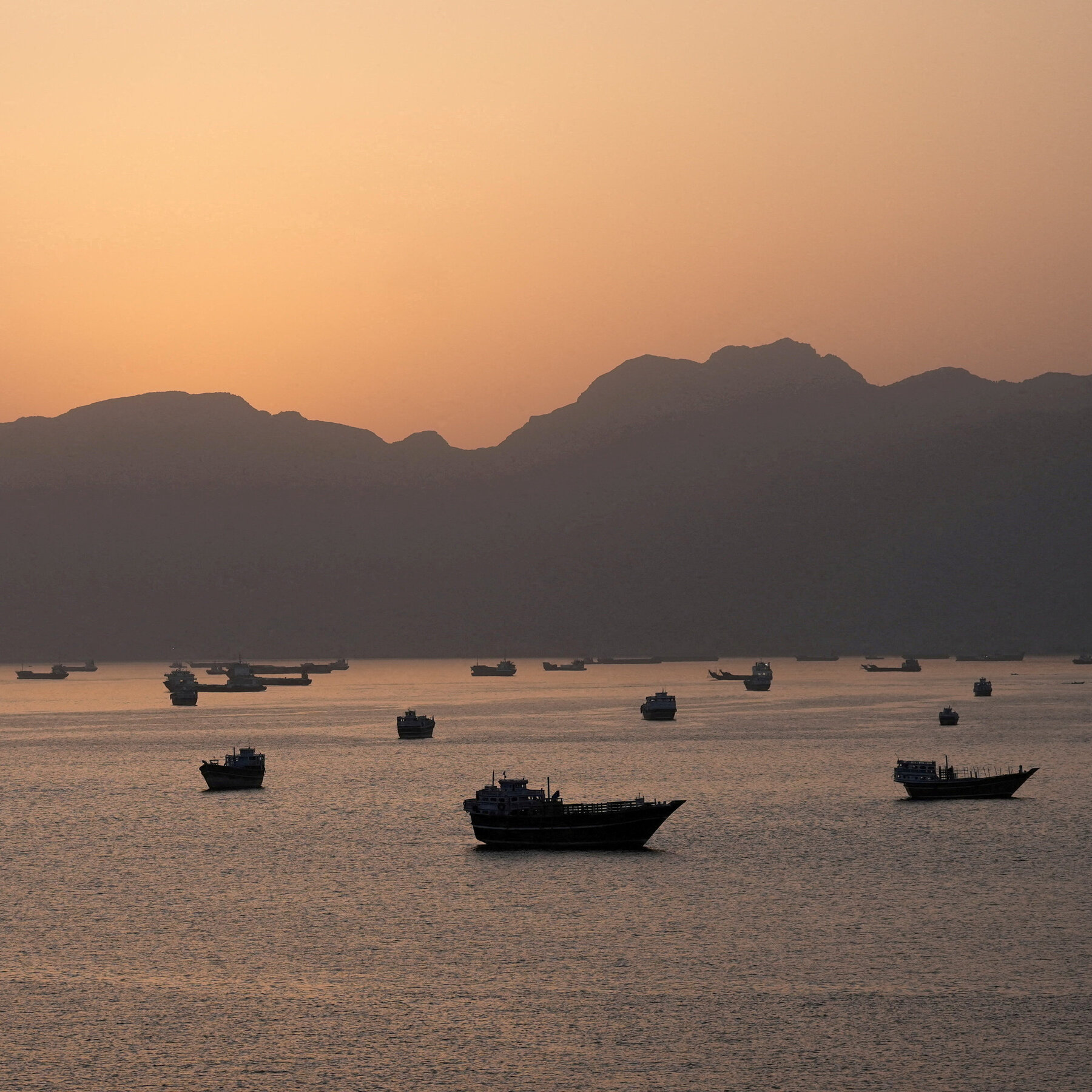
President Donald Trump announced a program called Project Freedom, aimed at helping commercial ships pass safely through the Strait of Hormuz, one of the world's most critical oil shipping lanes. Trump said any interference with vessels under the program would be dealt with "forcefully," though he offered little detail on how the initiative would actually work.
About 20% of global oil trade passes through the Strait of Hormuz, a narrow waterway between Iran and Oman. Disruptions there have historically sent oil prices higher within hours. Ships transiting the strait have faced seizures, drone attacks, and harassment in recent years, largely linked to Iran. Any credible U.S. protection program could ease insurance costs for tankers and reduce the risk premium currently baked into oil prices.
Trump gave no specifics on what Project Freedom entails, whether it involves U.S. Navy escorts, a coalition of allied vessels, rules of engagement, or a formal legal framework. The word "forcefully" suggests a willingness to use military deterrence, but without operational details, markets and shipping companies have little to act on yet.
If the program proves credible and operational, the most direct effects would fall on tanker insurance rates, which have surged during periods of Hormuz tension, and on the cost of moving Gulf crude to Asian buyers. Lower transit risk could modestly reduce the risk premium in Brent and WTI crude prices, though the scale depends entirely on how the program is structured and enforced.
For Iran, a formal U.S. escort or protection program represents a direct challenge to its ability to use the strait as leverage in any nuclear or sanctions standoff. Tehran has previously threatened to close the strait in response to U.S. pressure. A U.S. military posture tied explicitly to commercial freedom of navigation raises the stakes on both sides.
The announcement is notable more for its intent than its detail. Watch for follow-up from the Pentagon or the State Department on what Project Freedom actually commits the U.S. to, which countries may join, and whether formal rules of engagement are published. Until those details emerge, the announcement is a signal, not yet a policy.
Qatar's foreign ministry said mediators including Qatar, Pakistan, and Oman have reached "very progressive stages" in efforts to end the US-Iran war, pushing Brent crude down more than four percent.
Qatar confirmed it is mediating between the US and Iran but said no direct talks are currently planned. The clarification follows conflicting statements from President Trump, who claimed talks are under way, and Tehran, which denied any dialogue is happening.
Saudi Aramco reported sharply higher second-quarter 2026 profits as the Iran war restricts global oil supply and pushes crude prices up. Other oil supermajors also posted outsized earnings, raising concerns about sustained fuel cost pressure for importing economies.
President Trump called current Iran negotiations the "last chance" to end five months of conflict, pushing oil prices higher. Tehran denied formal talks are taking place, raising the risk of a diplomatic breakdown with direct consequences for global energy markets.