
Qatar Signals Progress in US-Iran War Talks
Qatar's foreign ministry said mediators including Qatar, Pakistan, and Oman have reached "very progressive stages" in efforts to end the US-Iran war, pushing Brent crude down more than four percent.
Key Takeaways
May 4, 2026 · 2 min read · By Rishabh Bhardwaj
·
AI-assisted, human-reviewed · Our editorial standards
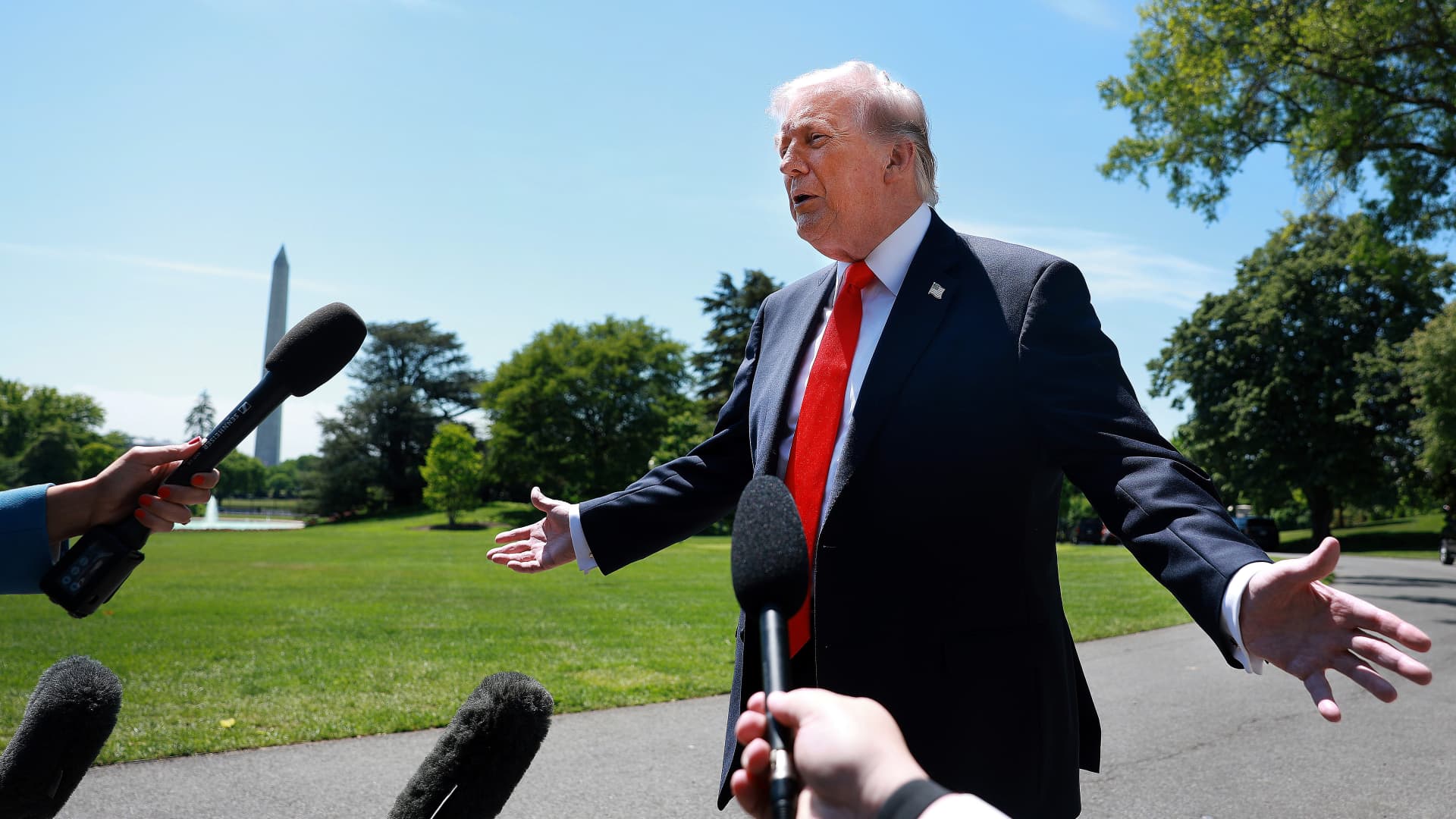
President Donald Trump said the United States will act to free ships currently trapped in the Persian Gulf due to the closure of the Strait of Hormuz, one of the world's most critical maritime chokepoints.
The Strait of Hormuz connects the Persian Gulf to the Gulf of Oman and the broader Indian Ocean. Roughly 20 percent of global oil trade passes through it, along with large volumes of liquefied natural gas and other cargo. When passage through it is blocked, ships either sit idle inside the Gulf or are forced onto far longer, more expensive routes around the Arabian Peninsula.
Vessels have been largely unable to transit the strait for months, according to the report. That kind of sustained blockage is rare. It ripples quickly through energy markets, freight costs, and the supply chains of every country that depends on Gulf oil exports, which includes major economies across Asia, Europe, and beyond. India, one of the largest buyers of Gulf crude, would face direct exposure to any prolonged disruption in tanker traffic from the region.
The mechanism behind the closure is not detailed in the available report, but the Strait of Hormuz has historically been a pressure point. Iran, which borders the strait on its northern edge, has previously threatened to close it during periods of geopolitical tension. Whether Iran or another actor is responsible here is not confirmed by the source.
Trump's pledge to "free" the trapped vessels signals potential U.S. military or diplomatic action, though the specific method, naval escort, diplomatic pressure, or something else, is not specified in the source. Any direct U.S. intervention in a contested maritime corridor in the Gulf carries significant geopolitical weight, particularly given the current state of U.S.-Iran relations and ongoing nuclear negotiations.
For energy markets, even the prospect of U.S. action to reopen the strait could influence oil prices short-term. A sustained reopening would relieve upward pressure on freight rates and crude benchmarks that have likely built up during months of restricted transit. Conversely, any escalation in the effort to reopen it could increase risk premiums in oil markets.
Watch for: details on what the U.S. intends to do, how many vessels are trapped and what they carry, and whether any Gulf state or Iran responds to Trump's statement.
Qatar's foreign ministry said mediators including Qatar, Pakistan, and Oman have reached "very progressive stages" in efforts to end the US-Iran war, pushing Brent crude down more than four percent.
Qatar confirmed it is mediating between the US and Iran but said no direct talks are currently planned. The clarification follows conflicting statements from President Trump, who claimed talks are under way, and Tehran, which denied any dialogue is happening.
Saudi Aramco reported sharply higher second-quarter 2026 profits as the Iran war restricts global oil supply and pushes crude prices up. Other oil supermajors also posted outsized earnings, raising concerns about sustained fuel cost pressure for importing economies.
President Trump called current Iran negotiations the "last chance" to end five months of conflict, pushing oil prices higher. Tehran denied formal talks are taking place, raising the risk of a diplomatic breakdown with direct consequences for global energy markets.