
Qatar Signals Progress in US-Iran War Talks
Qatar's foreign ministry said mediators including Qatar, Pakistan, and Oman have reached "very progressive stages" in efforts to end the US-Iran war, pushing Brent crude down more than four percent.
Key Takeaways
May 4, 2026 · 2 min read · By Rishabh Bhardwaj
·
AI-assisted, human-reviewed · Our editorial standards
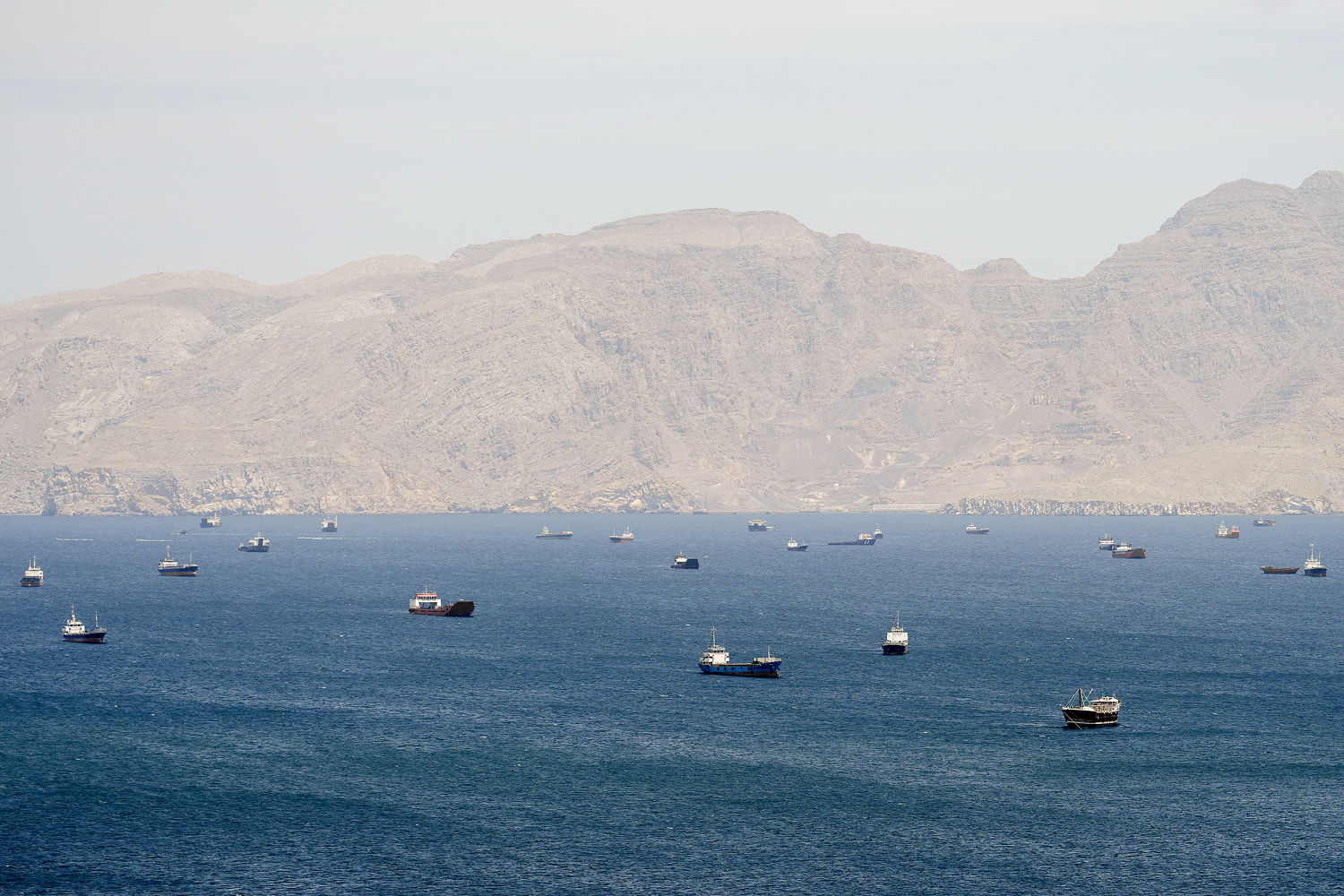
President Donald Trump announced Sunday that the United States will begin escorting commercial ships through the Strait of Hormuz, a narrow waterway that carries roughly one-fifth of the world's oil supply. The move signals a direct U.S. military role in protecting shipping lanes that have been a source of tension with Iran for decades.
The Strait of Hormuz sits between Iran and Oman and is the only sea route out of the Persian Gulf. Tankers carrying oil from Saudi Arabia, the UAE, Iraq, Kuwait, and Iran itself must pass through it. Any disruption there ripples immediately into global oil prices and energy supply chains.
Iran has periodically threatened to close or disrupt the strait during periods of high tension with the West. In recent years, Iranian forces have seized or harassed foreign vessels in the waterway, making the passage a flashpoint for confrontation.
Trump offered little optimism that he would accept a recent Iranian proposal to end the ongoing conflict. The announcement of naval escorts therefore comes at a moment when diplomatic options appear to be narrowing rather than opening. Escorting ships is a concrete military commitment that raises the stakes of any incident in the strait, an accidental or deliberate confrontation with Iranian forces would now directly involve U.S. military assets.
For energy markets, the announcement cuts two ways. A visible U.S. naval presence could reassure buyers and help steady freight rates and oil prices by reducing the risk premium that traders attach to Persian Gulf shipments. At the same time, heightened military activity near Iran increases the chance of an incident that could spike prices sharply.
Shipping companies and oil importers, especially in Asia, which buys the bulk of Gulf crude, will be watching how Iran responds. Tehran could accept the U.S. presence quietly, escalate harassment of vessels, or use the announcement as leverage in any future negotiation. The practical details of the escort program, including which flag ships qualify and how the U.S. Navy will coordinate with allied navies already in the region, have not yet been disclosed.
Watch for Iran's official reaction and any movement in crude oil futures in the coming days as the clearest early signals of how much risk the market is pricing into this escalation.
Qatar's foreign ministry said mediators including Qatar, Pakistan, and Oman have reached "very progressive stages" in efforts to end the US-Iran war, pushing Brent crude down more than four percent.
Qatar confirmed it is mediating between the US and Iran but said no direct talks are currently planned. The clarification follows conflicting statements from President Trump, who claimed talks are under way, and Tehran, which denied any dialogue is happening.
Saudi Aramco reported sharply higher second-quarter 2026 profits as the Iran war restricts global oil supply and pushes crude prices up. Other oil supermajors also posted outsized earnings, raising concerns about sustained fuel cost pressure for importing economies.
President Trump called current Iran negotiations the "last chance" to end five months of conflict, pushing oil prices higher. Tehran denied formal talks are taking place, raising the risk of a diplomatic breakdown with direct consequences for global energy markets.