
Qatar Signals Progress in US-Iran War Talks
Qatar's foreign ministry said mediators including Qatar, Pakistan, and Oman have reached "very progressive stages" in efforts to end the US-Iran war, pushing Brent crude down more than four percent.
Key Takeaways
May 4, 2026 · 2 min read · By Rishabh Bhardwaj
·
AI-assisted, human-reviewed · Our editorial standards
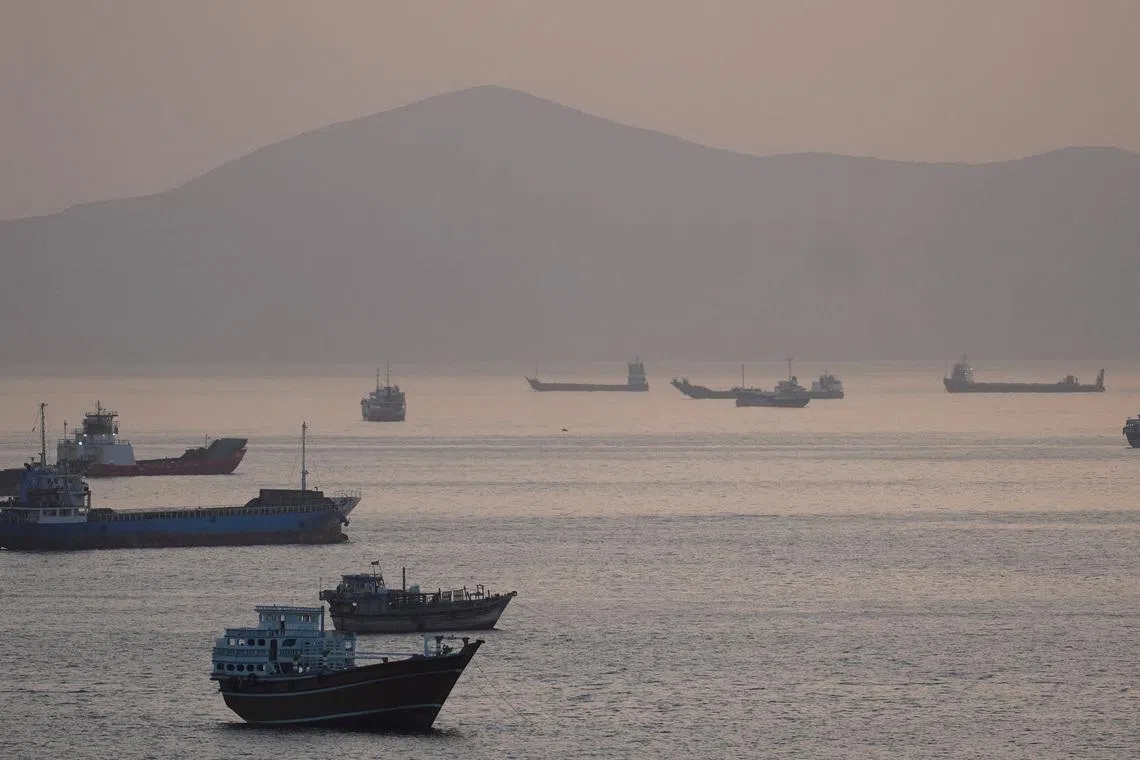
A tanker was struck by unknown projectiles in the Strait of Hormuz on Monday, according to a maritime security organisation, in what appears to be the latest escalation in one of the world's most critical shipping lanes.
The incident came almost simultaneously with a statement from President Donald Trump that the U.S. would begin helping free ships stranded in the Gulf, a direct reference to disruptions caused by the U.S.-Israeli war on Iran. The timing suggests the attack may be connected to that broader conflict, though the source of the projectiles has not been identified in available reports.
The Strait of Hormuz is the narrow waterway between Iran and Oman through which roughly 20% of the world's oil supply passes every day. Any sustained disruption there, whether through attacks on tankers, mines, or threats to navigation, can push oil prices higher almost immediately and raise shipping insurance costs sharply across the region.
Trump's announcement that the U.S. would actively help free stranded vessels marks a notable shift toward direct American involvement in protecting commercial shipping in the Gulf. It signals that the conflict with Iran has begun to create tangible blockages for international trade, not just threats.
The identity of who fired the projectiles is the key open question. If the attack is attributed to Iran or Iran-backed forces, it could accelerate U.S. military engagement in the waterway and widen the conflict. Oil markets will be watching closely, any sign that tanker traffic through Hormuz is being systematically targeted tends to trigger rapid price moves.
Shipping companies operating in the Gulf will also be reassessing route risk and insurance premiums. The broader question is whether U.S. naval presence can meaningfully deter further attacks or whether the Strait becomes a sustained flashpoint for the duration of the Iran conflict.
Qatar's foreign ministry said mediators including Qatar, Pakistan, and Oman have reached "very progressive stages" in efforts to end the US-Iran war, pushing Brent crude down more than four percent.
Qatar confirmed it is mediating between the US and Iran but said no direct talks are currently planned. The clarification follows conflicting statements from President Trump, who claimed talks are under way, and Tehran, which denied any dialogue is happening.
Saudi Aramco reported sharply higher second-quarter 2026 profits as the Iran war restricts global oil supply and pushes crude prices up. Other oil supermajors also posted outsized earnings, raising concerns about sustained fuel cost pressure for importing economies.
President Trump called current Iran negotiations the "last chance" to end five months of conflict, pushing oil prices higher. Tehran denied formal talks are taking place, raising the risk of a diplomatic breakdown with direct consequences for global energy markets.