
Qatar Signals Progress in US-Iran War Talks
Qatar's foreign ministry said mediators including Qatar, Pakistan, and Oman have reached "very progressive stages" in efforts to end the US-Iran war, pushing Brent crude down more than four percent.
Key Takeaways
May 2, 2026 · 2 min read · By Rishabh Bhardwaj
·
AI-assisted, human-reviewed · Our editorial standards
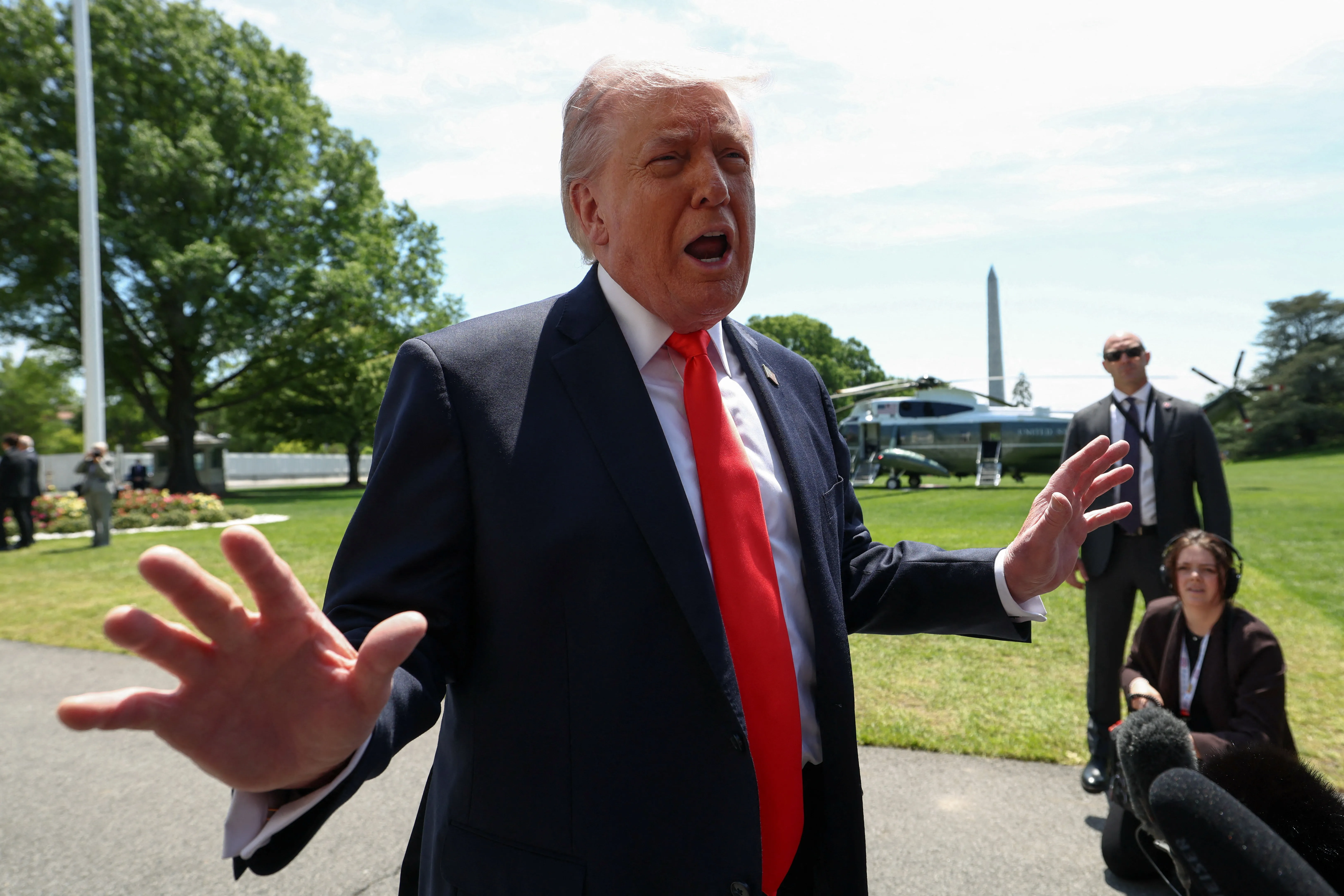
President Donald Trump has described US Navy operations enforcing a blockade of the Strait of Hormuz as acting "like pirates", calling the mission "a very profitable business." The remarks are unusual in their framing, casting a formal military operation in commercial terms rather than the language of national security or international law.
The Strait of Hormuz is one of the world's most critical oil shipping lanes. Roughly 20% of global oil trade passes through this narrow waterway between Iran and Oman, connecting the Persian Gulf to the open ocean. Any sustained disruption there moves energy markets almost immediately.
A naval blockade is a formal military operation that prevents ships from entering or leaving a specific area. Enforcing one at Hormuz means US warships are intercepting or deterring vessels, potentially including Iranian oil tankers, from transiting the strait. Iran has long threatened to close Hormuz as a retaliation measure during periods of tension with the West, so the US now effectively reversing that threat is a significant escalation in posture.
Trump's choice of words, "like pirates" and "profitable", suggests the blockade may involve seizure or diversion of cargo, which can generate revenue through confiscation of sanctioned goods. The US has previously seized Iranian oil shipments under sanctions enforcement, auctioning cargo and directing proceeds under federal law. If that model is being scaled up under a broader blockade framing, it would represent a sharper enforcement posture than prior administrations have used.
Oil markets are sensitive to any signal about Hormuz. A credible, sustained US naval blockade targeting Iranian exports would tighten global oil supply, putting upward pressure on crude prices. Countries that still import Iranian oil, including some in Asia, would face supply disruption and higher costs. Iran's government, which depends heavily on oil revenue, would face an accelerated fiscal squeeze.
For US allies and trading partners, the blockade also raises legal questions. Blockades under international law require formal declarations and carry specific rules of engagement. Trump's informal, commerce-framed description of the operation leaves the legal basis unclear, which matters for how other navies and shipping companies respond.
Watch for Iran's official response, any spike in crude futures, and whether the US State Department issues a formal legal or policy statement clarifying the scope of the operation.
Qatar's foreign ministry said mediators including Qatar, Pakistan, and Oman have reached "very progressive stages" in efforts to end the US-Iran war, pushing Brent crude down more than four percent.
Qatar confirmed it is mediating between the US and Iran but said no direct talks are currently planned. The clarification follows conflicting statements from President Trump, who claimed talks are under way, and Tehran, which denied any dialogue is happening.
Saudi Aramco reported sharply higher second-quarter 2026 profits as the Iran war restricts global oil supply and pushes crude prices up. Other oil supermajors also posted outsized earnings, raising concerns about sustained fuel cost pressure for importing economies.
President Trump called current Iran negotiations the "last chance" to end five months of conflict, pushing oil prices higher. Tehran denied formal talks are taking place, raising the risk of a diplomatic breakdown with direct consequences for global energy markets.