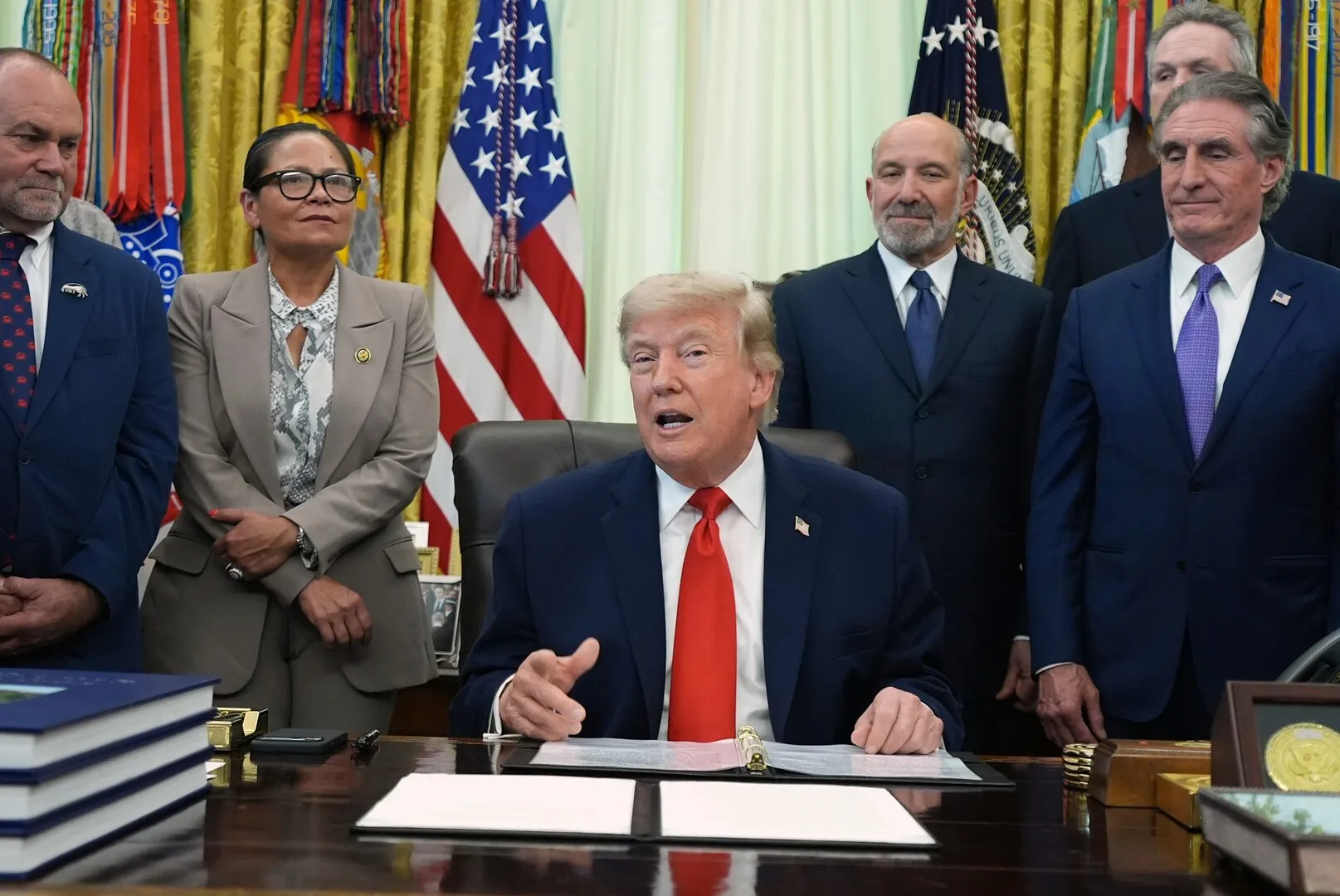
US President Donald Trump said on June 13, 2026 that the United States and Iran have reached what he called a "great settlement," with both sides now finalising the formal documents. Trump made the announcement publicly, though no signed agreement has been disclosed and no details of the terms have been released.
The claim marks a significant moment in a standoff that has defined Middle East diplomacy for years. The US and Iran have been at odds over Tehran's nuclear programme, with Washington repeatedly demanding limits on uranium enrichment and Iran seeking relief from sweeping economic sanctions. Any deal that resolves even part of that dispute would reshape energy markets, regional security arrangements, and the diplomatic posture of several allied governments.
What we know and what we do not
Trump's framing, a "great settlement," signals confidence that a durable agreement is in place, not merely a temporary pause in talks. The phrase "finalising documents" suggests the core terms have been agreed and legal or technical teams are working through the paperwork. But the absence of a joint statement from Tehran, or any public confirmation from Iranian officials, means the deal has not been independently verified at the time of writing.
That gap matters. Past nuclear negotiations, including the 2015 Joint Comprehensive Plan of Action under the Obama administration, took years of technical work and produced hundreds of pages of legal text. A deal of that complexity does not get announced casually. Either this settlement is narrower in scope, covering a specific set of issues rather than the full nuclear file, or the announcement is getting ahead of the final signature.
Iran's domestic politics add another layer of uncertainty. Any agreement that restricts enrichment or extends foreign inspection rights will face pressure from hardliners inside the Iranian government. Iranian leaders have historically needed to frame any concessions carefully to manage internal opposition. A public endorsement from Tehran has not yet appeared, which negotiators and markets will watch closely.
Why it matters for markets and geopolitics
The market consequences of a genuine US-Iran deal would be immediate and broad. Iran holds some of the world's largest proven oil reserves. Sanctions relief would allow Iranian crude to return to global markets in volume, putting downward pressure on oil prices at a time when energy costs remain a live concern for consumers and central banks alike. Brent crude and US benchmark WTI prices would be the first instruments to move on any confirmation.
Beyond oil, a deal would change the risk calculus across the Gulf region. Countries like Saudi Arabia, Israel, and the UAE have each built their security and foreign policy strategies around a contained and sanctioned Iran. A US-brokered settlement shifts that baseline, prompting rapid reassessment of defence spending, alliance commitments, and regional trade flows. Israel in particular has been vocal about its opposition to any agreement it views as insufficient on nuclear limits.
For global diplomacy, a Trump-era deal with Iran would also represent a sharp reversal. Trump's first administration withdrew from the 2015 nuclear accord in 2018 and reimposed maximum-pressure sanctions. Reaching a new settlement now would reframe that legacy and could open channels on other contested issues, including Iran's ballistic missile programme and its support for regional proxy forces.
Investors and governments will now wait for three things: a public statement from Iran confirming the terms, release of at least a summary of what was agreed, and clarity on the sanctions relief timeline. Until those emerge, the announcement sits somewhere between a breakthrough and a declaration of intent. The next 48 to 72 hours are likely to be decisive in establishing which it is.