
Qatar Signals Progress in US-Iran War Talks
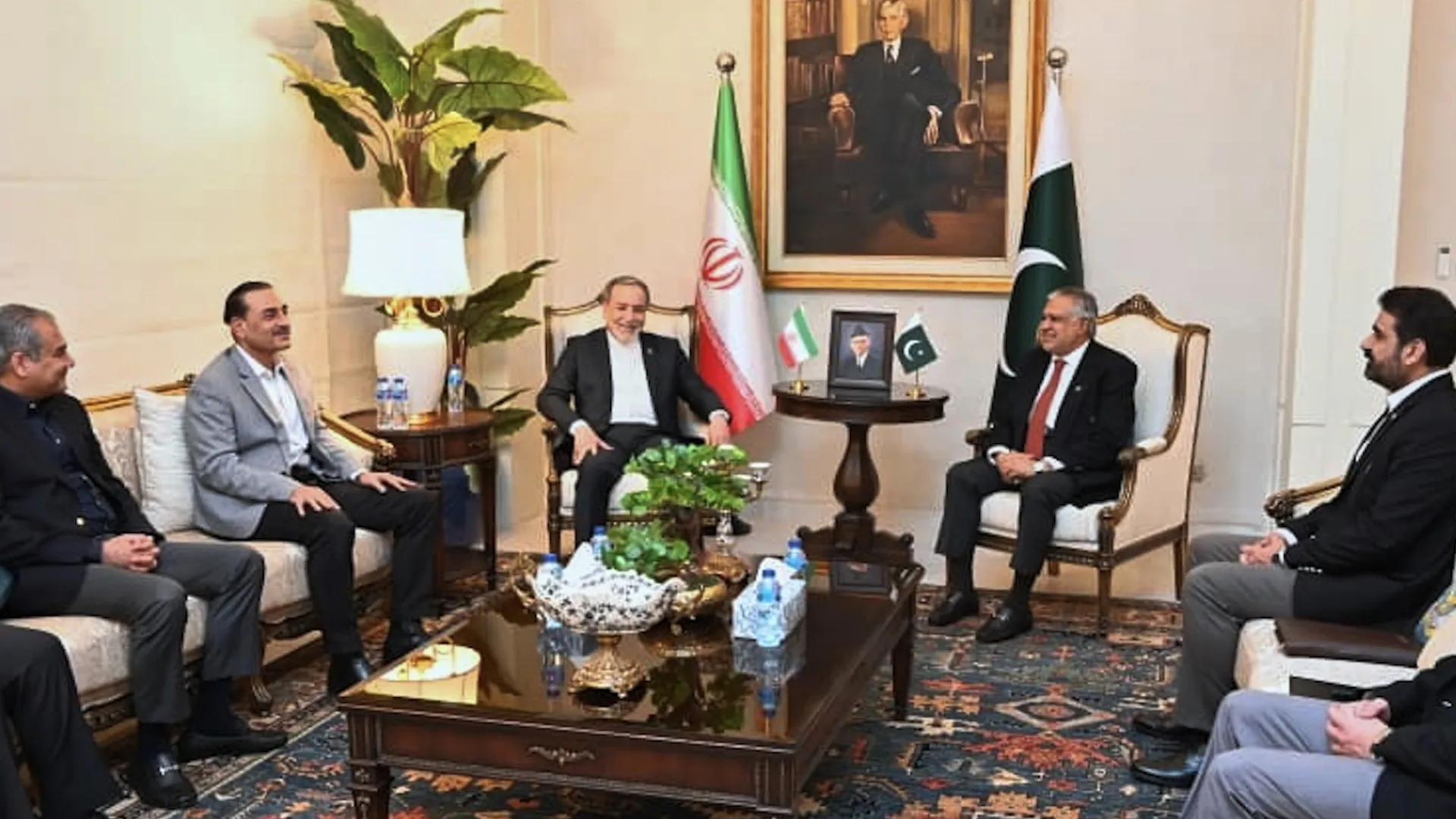
Qatar's foreign ministry said mediators including Qatar, Pakistan, and Oman have reached "very progressive stages" in efforts to end the US-Iran war, pushing Brent crude down more than four percent.
Key Takeaways
May 24, 2026 · 3 min read · By Rishabh Bhardwaj
·
AI-assisted, human-reviewed · Our editorial standards
Donald Trump said on Thursday that a Memorandum of Understanding between the United States and Iran is largely in place, describing the framework as a significant step toward ending hostilities between the two countries.
A Memorandum of Understanding, or MOU, is a written agreement that sets out the broad terms both sides accept before a formal treaty is drafted and signed. It is not legally binding on its own, but it signals that negotiators have found enough common ground to move toward a final deal.
The announcement is notable given the depth of US-Iran tensions, which have included decades of sanctions, proxy conflicts across the Middle East, and repeated standoffs over Iran's nuclear program. Any formal agreement would represent one of the most consequential diplomatic shifts in the region in years.
Trump did not specify which issues are settled and which remain open. The core disputes between Washington and Tehran have historically centered on Iran's uranium enrichment activities, the lifting of US economic sanctions, and regional security arrangements. Without knowing which of these the MOU addresses, the practical weight of Thursday's announcement is difficult to judge.
The word "largely" leaves room for unresolved elements, which means further negotiation is almost certainly still required before any binding agreement can be finalized and implemented.
If a formal deal does emerge, the consequences for energy markets would be immediate. Iran holds some of the world's largest proven oil and gas reserves, and sanctions have sharply restricted its exports. A lifting or easing of those restrictions would add supply to global oil markets, putting downward pressure on crude prices. That, in turn, affects fuel costs, shipping economics, and inflation calculations across major economies, including India, which imports a significant share of its energy.
Beyond oil, a US-Iran agreement would reshape the strategic picture across the Middle East. It could affect the posture of US allies like Israel and Saudi Arabia, alter the calculus around proxy forces in Iraq, Yemen, and Syria, and change the diplomatic environment around nuclear non-proliferation talks more broadly.
Sanctions relief, if granted, would also reopen Iran's economy to foreign investment and trade. Companies that have stayed out of Iran because of US secondary sanctions, rules that penalize non-American firms for doing business with Tehran, would be watching closely for any change in the legal framework.
For financial markets, the signal is worth tracking even at this early stage. Geopolitical risk premiums in oil have partly reflected the possibility of conflict involving Iran. A credible peace process tends to compress those premiums, though traders will wait for concrete steps before repricing aggressively.
The path from an MOU to a ratified deal is long and has broken down before. The 2015 Joint Comprehensive Plan of Action, negotiated under the Obama administration, was abandoned by Trump during his first term in 2018, and relations deteriorated sharply afterward. Any new agreement would need to address how it handles verification, timelines for sanctions relief, and the political durability of commitments on both sides.
What to watch next: whether negotiating teams release details of what the MOU covers, how Iran's government publicly responds, and whether the text moves toward a formal treaty structure. Congressional reaction in the United States will also matter, since any agreement touching on sanctions may require legislative involvement to be durable.
Qatar's foreign ministry said mediators including Qatar, Pakistan, and Oman have reached "very progressive stages" in efforts to end the US-Iran war, pushing Brent crude down more than four percent.
Qatar confirmed it is mediating between the US and Iran but said no direct talks are currently planned. The clarification follows conflicting statements from President Trump, who claimed talks are under way, and Tehran, which denied any dialogue is happening.
Saudi Aramco reported sharply higher second-quarter 2026 profits as the Iran war restricts global oil supply and pushes crude prices up. Other oil supermajors also posted outsized earnings, raising concerns about sustained fuel cost pressure for importing economies.
President Trump called current Iran negotiations the "last chance" to end five months of conflict, pushing oil prices higher. Tehran denied formal talks are taking place, raising the risk of a diplomatic breakdown with direct consequences for global energy markets.