
Qatar Signals Progress in US-Iran War Talks
Qatar's foreign ministry said mediators including Qatar, Pakistan, and Oman have reached "very progressive stages" in efforts to end the US-Iran war, pushing Brent crude down more than four percent.
Key Takeaways
May 8, 2026 · 2 min read · By Rishabh Bhardwaj
·
AI-assisted, human-reviewed · Our editorial standards
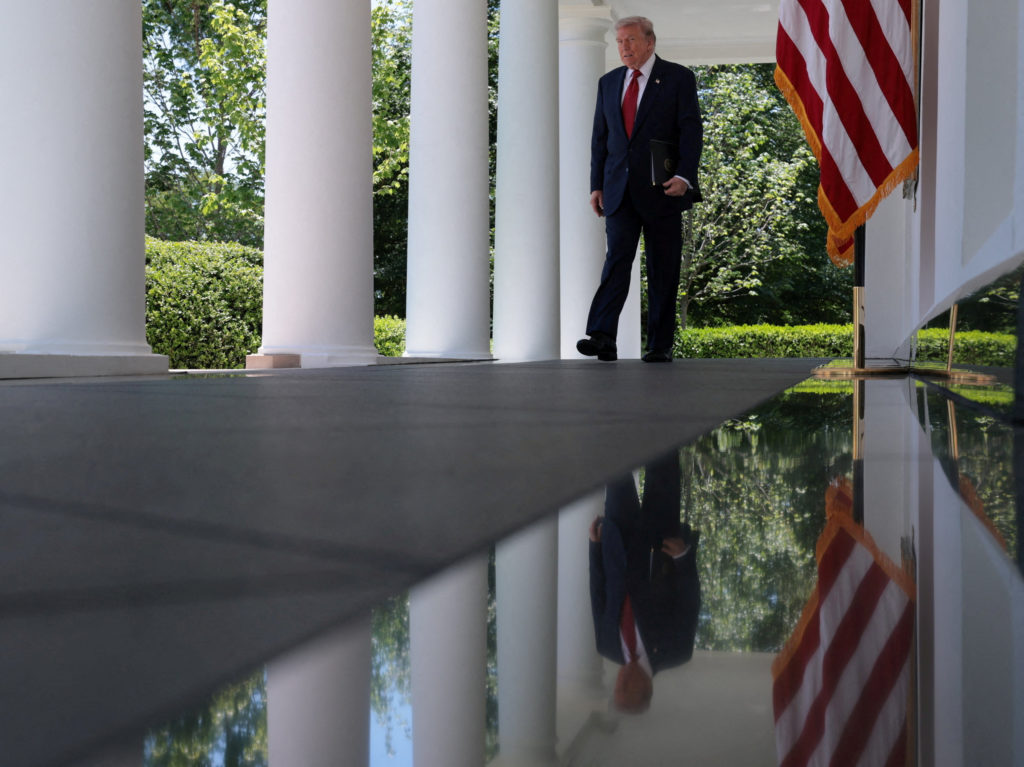
President Donald Trump announced on social media that Russia and Ukraine have agreed to a three-day ceasefire, running from Saturday through Monday. The timing is notable: Saturday marks Victory Day in Russia, the annual holiday commemorating the Soviet Union's victory over Nazi Germany 81 years ago at the end of World War II.
Trump said both sides also agreed to a prisoner swap as part of the arrangement. No further details on the scope of the swap, how many prisoners, what categories of detainees, or the exchange mechanism, were provided in his announcement.
Victory Day is one of Russia's most symbolically charged national holidays, typically marked by large military parades in Moscow. A ceasefire timed to that date gives Moscow a politically visible moment of relative calm without requiring a formal, open-ended truce. For Ukraine, agreeing to a short pause avoids the optics of fighting through a holiday Moscow treats as a cornerstone of its national identity, while stopping well short of any lasting concession.
Short ceasefires of this kind are distinct from a peace agreement or a sustained halt to hostilities. They are typically easier to agree to precisely because they carry no structural commitment, either side can resume operations once the window closes. The real test is whether Saturday's announced pause actually holds on the ground, and whether it opens any path toward broader negotiations.
Verification of whether fighting actually stops will matter more than the announcement itself. Previous ceasefire announcements in the Russia-Ukraine conflict have often been followed by continued shelling and disputed accounts of violations. The prisoner swap, if it proceeds, would be a concrete and measurable outcome regardless of what happens on the broader front lines.
Trump's role as the announced broker of this agreement signals continued U.S. involvement in pushing for a negotiated end to the war, though the durability of any arrangement depends on follow-through from Moscow and Kyiv, not just Washington's public statements.
Qatar's foreign ministry said mediators including Qatar, Pakistan, and Oman have reached "very progressive stages" in efforts to end the US-Iran war, pushing Brent crude down more than four percent.
Qatar confirmed it is mediating between the US and Iran but said no direct talks are currently planned. The clarification follows conflicting statements from President Trump, who claimed talks are under way, and Tehran, which denied any dialogue is happening.
Saudi Aramco reported sharply higher second-quarter 2026 profits as the Iran war restricts global oil supply and pushes crude prices up. Other oil supermajors also posted outsized earnings, raising concerns about sustained fuel cost pressure for importing economies.
President Trump called current Iran negotiations the "last chance" to end five months of conflict, pushing oil prices higher. Tehran denied formal talks are taking place, raising the risk of a diplomatic breakdown with direct consequences for global energy markets.