
Qatar Signals Progress in US-Iran War Talks
Qatar's foreign ministry said mediators including Qatar, Pakistan, and Oman have reached "very progressive stages" in efforts to end the US-Iran war, pushing Brent crude down more than four percent.
Key Takeaways
May 3, 2026 · 2 min read · By Rishabh Bhardwaj
·
AI-assisted, human-reviewed · Our editorial standards
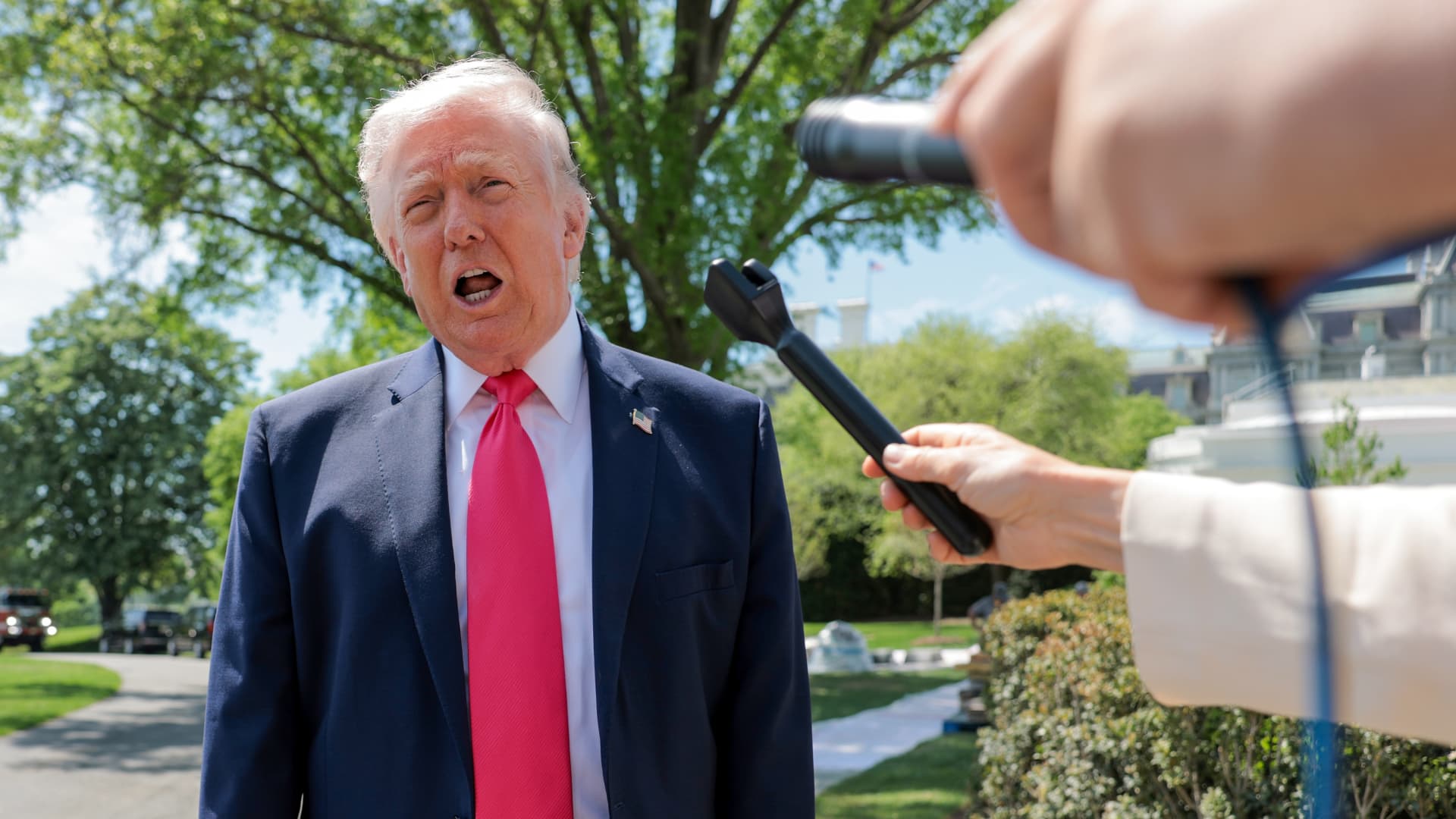
President Donald Trump said publicly that Iran is seeking a nuclear deal but that he is not satisfied with what is on the table. The statement is brief but significant: it confirms active back-channel or formal talks are underway while signaling that the current terms fall short of what Washington wants.
Trump's phrasing, that Iran wants a deal, implies Tehran is the party seeking an agreement, which gives the U.S. negotiating leverage. His dissatisfaction, however, leaves open what specific conditions are being disputed. Past U.S. demands have centered on uranium enrichment limits, inspection access, and Iran's ballistic missile program, though this statement does not spell out the sticking points.
The comment stops well short of a breakdown. Trump did not say talks have ended or that the U.S. is walking away. That distinction matters: markets and regional governments will read this as the negotiation still being live, but with meaningful distance between the two sides.
A U.S.-Iran nuclear agreement would have wide consequences. A deal that lifts sanctions on Iranian oil could add meaningful supply to global crude markets, pressuring prices. Conversely, a collapse in talks raises the risk of renewed maximum-pressure sanctions and, in a worst case, military escalation in the Gulf, a shipping corridor critical to global energy flows.
For businesses operating in or near the region, the uncertainty itself carries cost. Companies in energy, shipping, and defense contracting tend to price in geopolitical risk when the Iran file is active and unresolved.
The statement also lands at a moment when Gulf states, Israel, and European powers are all watching closely. Each has different stakes: Gulf producers care about oil market share, Israel focuses on Iran's nuclear timeline, and European governments want to preserve trade and diplomatic channels.
What to watch: whether Trump's public pressure is a negotiating tactic or a genuine signal that talks are near collapse, and whether Iran responds publicly or through diplomatic back channels.
Qatar's foreign ministry said mediators including Qatar, Pakistan, and Oman have reached "very progressive stages" in efforts to end the US-Iran war, pushing Brent crude down more than four percent.
Qatar confirmed it is mediating between the US and Iran but said no direct talks are currently planned. The clarification follows conflicting statements from President Trump, who claimed talks are under way, and Tehran, which denied any dialogue is happening.
Saudi Aramco reported sharply higher second-quarter 2026 profits as the Iran war restricts global oil supply and pushes crude prices up. Other oil supermajors also posted outsized earnings, raising concerns about sustained fuel cost pressure for importing economies.
President Trump called current Iran negotiations the "last chance" to end five months of conflict, pushing oil prices higher. Tehran denied formal talks are taking place, raising the risk of a diplomatic breakdown with direct consequences for global energy markets.