
Qatar Signals Progress in US-Iran War Talks
Qatar's foreign ministry said mediators including Qatar, Pakistan, and Oman have reached "very progressive stages" in efforts to end the US-Iran war, pushing Brent crude down more than four percent.
Key Takeaways
May 2, 2026 · 2 min read · By Rishabh Bhardwaj
·
AI-assisted, human-reviewed · Our editorial standards
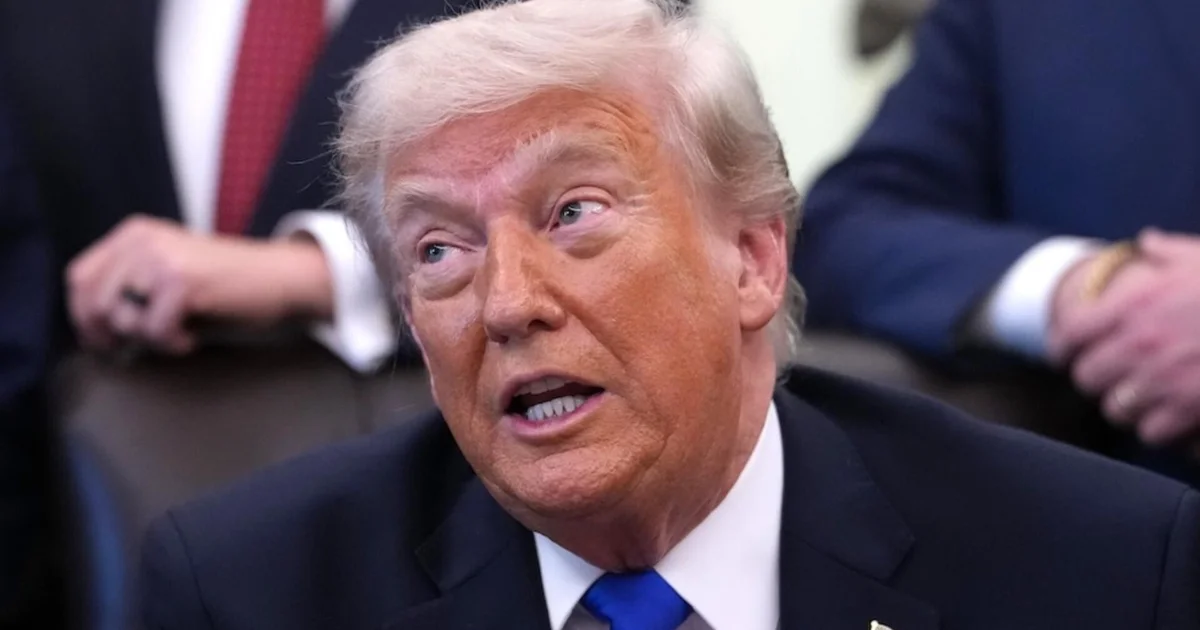
President Trump told U.S. lawmakers in a formal letter Friday that hostilities with Iran "have terminated," dating the conflict's start to late February. The declaration came even as more than 50,000 U.S. military personnel remain deployed across the Middle East and a naval blockade continues to squeeze the Iranian economy.
The gap between the president's words and the situation on the ground is significant. A naval blockade is an active economic pressure tool, it restricts the flow of goods, oil exports, and imports into and out of a country. Iran's economy, already under strain from years of sanctions, faces additional disruption from the blockade's continued enforcement.
Presidential letters to Congress on military hostilities carry formal legal weight. Under the War Powers Resolution, the president must notify lawmakers within 48 hours of committing U.S. forces to armed conflict and must withdraw those forces within 60-90 days unless Congress authorizes the action. By declaring hostilities "terminated," the White House effectively resets or closes that legal clock, regardless of what forces remain in the field.
That framing shifts the burden back to Congress if lawmakers want to challenge the ongoing deployment or blockade. Without a formal hostilities designation, congressional leverage to force a drawdown becomes harder to exercise under existing law.
The 50,000-plus troop presence across the region is not a routine posture, it reflects a significant forward deployment. The naval blockade, separately, is an instrument that goes beyond a military standoff; it directly targets Iran's ability to trade and generate oil revenue, which funds government operations and the broader economy.
Together, these elements suggest the conflict's economic and military dimensions are very much active, even if the White House has chosen to characterize the situation as resolved. Iran's response to the declaration, and whether it accepts or contests that framing, will shape what comes next.
Investors and analysts watching the region should note that oil supply risk from the Gulf has not materially eased. A blockade on Iran keeps upward pressure on regional tension and could affect shipping routes and energy prices depending on how Iran responds to what it may view as an ongoing act of economic warfare.
Qatar's foreign ministry said mediators including Qatar, Pakistan, and Oman have reached "very progressive stages" in efforts to end the US-Iran war, pushing Brent crude down more than four percent.
Qatar confirmed it is mediating between the US and Iran but said no direct talks are currently planned. The clarification follows conflicting statements from President Trump, who claimed talks are under way, and Tehran, which denied any dialogue is happening.
Saudi Aramco reported sharply higher second-quarter 2026 profits as the Iran war restricts global oil supply and pushes crude prices up. Other oil supermajors also posted outsized earnings, raising concerns about sustained fuel cost pressure for importing economies.
President Trump called current Iran negotiations the "last chance" to end five months of conflict, pushing oil prices higher. Tehran denied formal talks are taking place, raising the risk of a diplomatic breakdown with direct consequences for global energy markets.