
Qatar Signals Progress in US-Iran War Talks
Qatar's foreign ministry said mediators including Qatar, Pakistan, and Oman have reached "very progressive stages" in efforts to end the US-Iran war, pushing Brent crude down more than four percent.
Key Takeaways
June 21, 2026 · 3 min read · By Rishabh Bhardwaj
·
AI-assisted, human-reviewed · Our editorial standards
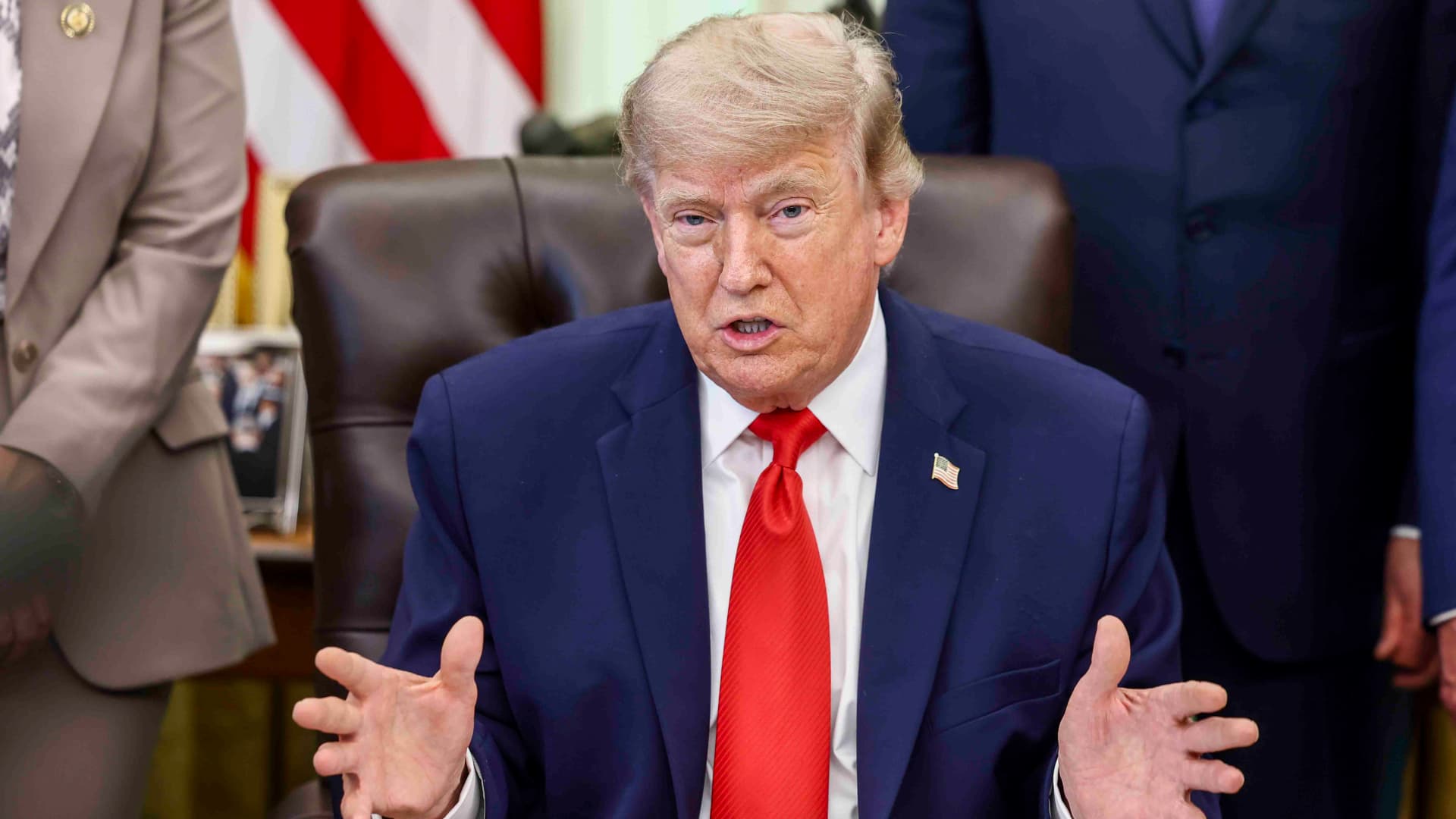
President Donald Trump announced on Truth Social that a deal to end the conflict with Iran will be signed on Sunday, and that the Strait of Hormuz will open immediately after the agreement is in place.
The Strait of Hormuz is one of the world's most critical oil chokepoints. Roughly 20 percent of global oil supply, along with significant volumes of liquefied natural gas, passes through this narrow waterway between Iran and Oman. Any disruption there ripples directly into energy prices worldwide, and any reopening carries the opposite effect: a potential sharp drop in oil prices as supply anxiety eases.
Oil markets have priced in a substantial geopolitical risk premium throughout the period of heightened US-Iran tensions. A confirmed, binding deal that reopens Hormuz would remove that premium quickly. Traders and analysts watching crude benchmarks like Brent and WTI would likely see immediate downward pressure on prices if the agreement holds. Lower oil prices, if sustained, feed through to fuel costs, airline tickets, freight rates, and broadly to inflation.
The framing of an immediate reopening of the strait is significant. It suggests the deal, as Trump describes it, includes a concrete operational commitment from Iran, not just a ceasefire declaration. Whether that commitment is verified and enforceable is the central question markets and governments will be asking before Sunday's reported signing.
Trump's announcement is a single social media post on Truth Social. No secondary confirmation from Iranian officials, US diplomatic channels, or allied governments has been cited in the available information. Deals of this scale typically involve back-channel negotiations, multilateral witnesses, and formal treaty or executive agreement language. None of those details are confirmed here.
The gap between a presidential announcement and a signed, functional agreement is where past US-Iran diplomacy has repeatedly stalled. Investors and policymakers will be watching for Iranian state media confirmation, any joint statement from both governments, and the identity of signatories and witnesses at the reported signing ceremony.
If the deal does proceed as described, the immediate economic consequences extend beyond oil. Iran's reintegration into global trade, even partially, could affect shipping insurance rates, regional currency markets, and the calculus of Gulf state sovereign wealth funds. Sanctions relief, if part of the agreement, would unlock Iranian oil exports more broadly, adding further supply-side pressure to crude prices globally.
For India, the stakes are direct. India has historically been one of Iran's largest oil customers and has significant infrastructure investments tied to Iran's Chabahar port. A normalized US-Iran relationship could reopen Iranian crude as a cost-effective import option and potentially ease the legal complications that have constrained Chabahar's development under US sanctions.
The coming 48 to 72 hours will determine whether this announcement marks a genuine diplomatic breakthrough or remains an unverified claim. Markets will price in uncertainty until official confirmation from both sides is on record.
Qatar's foreign ministry said mediators including Qatar, Pakistan, and Oman have reached "very progressive stages" in efforts to end the US-Iran war, pushing Brent crude down more than four percent.
Qatar confirmed it is mediating between the US and Iran but said no direct talks are currently planned. The clarification follows conflicting statements from President Trump, who claimed talks are under way, and Tehran, which denied any dialogue is happening.
Saudi Aramco reported sharply higher second-quarter 2026 profits as the Iran war restricts global oil supply and pushes crude prices up. Other oil supermajors also posted outsized earnings, raising concerns about sustained fuel cost pressure for importing economies.
President Trump called current Iran negotiations the "last chance" to end five months of conflict, pushing oil prices higher. Tehran denied formal talks are taking place, raising the risk of a diplomatic breakdown with direct consequences for global energy markets.