
Qatar Signals Progress in US-Iran War Talks
Qatar's foreign ministry said mediators including Qatar, Pakistan, and Oman have reached "very progressive stages" in efforts to end the US-Iran war, pushing Brent crude down more than four percent.
Key Takeaways
May 3, 2026 · 2 min read · By Rishabh Bhardwaj
·
AI-assisted, human-reviewed · Our editorial standards
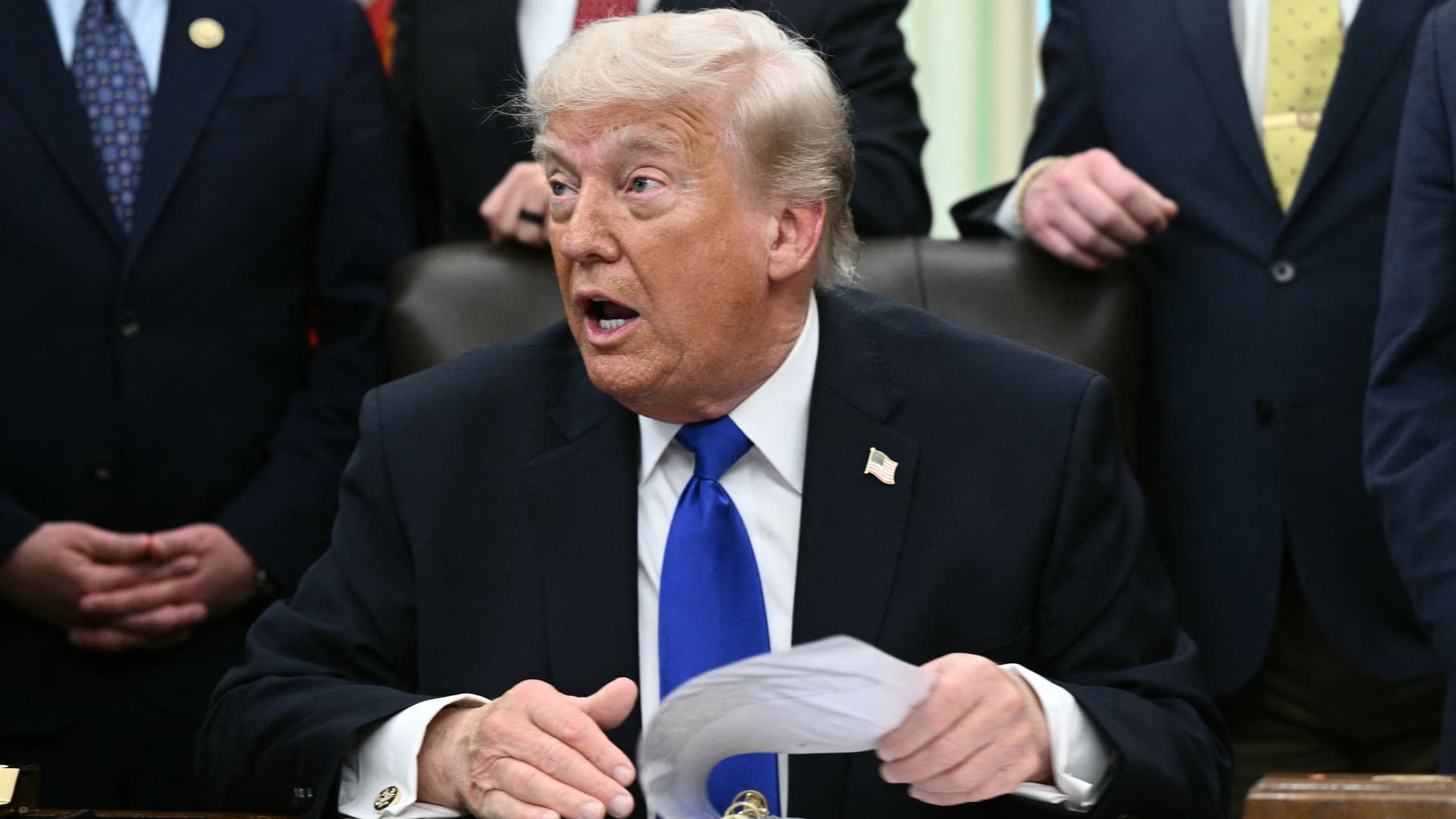
President Donald Trump said he is raising tariffs on European Union automobiles to 25%, but offered no detail on how the move would be implemented after the Supreme Court struck down his earlier "reciprocal" tariff framework.
The announcement lands in a legally uncertain space. The Supreme Court ruled against Trump's broad reciprocal tariff powers earlier this year, which means the White House would need a different legal basis to impose new sector-specific duties. Trump did not clarify which authority he intends to use, leaving the mechanism, and therefore the enforceability, of the 25% rate an open question.
The timing is diplomatically awkward. Europe had warned that ongoing trade negotiations with Washington could collapse if the U.S. moved to impose new tariffs unilaterally. A 25% auto tariff, if it takes effect, would hit European carmakers, particularly German manufacturers, hard, since the U.S. is one of their largest export markets.
European automakers have already been navigating margin pressure from the shift to electric vehicles and slowing demand in China. A fresh 25% tariff wall in the U.S. market would force painful choices: absorb the cost, raise prices for American buyers, or shift production closer to the U.S. to avoid the duty.
The Supreme Court's earlier ruling matters here because it limits how freely the executive branch can impose sweeping tariffs without clear congressional backing. If Trump cannot point to a specific statutory authority, such as a national security provision, any new auto tariff could face immediate legal challenge, delaying or blocking its effect.
Markets and automakers will be watching closely for the formal executive order or proclamation that would spell out the legal basis and the effective date. Until that document appears, the 25% figure is a stated intention, not an active tariff. The gap between announcement and implementation is where this story will likely turn.
Qatar's foreign ministry said mediators including Qatar, Pakistan, and Oman have reached "very progressive stages" in efforts to end the US-Iran war, pushing Brent crude down more than four percent.
Qatar confirmed it is mediating between the US and Iran but said no direct talks are currently planned. The clarification follows conflicting statements from President Trump, who claimed talks are under way, and Tehran, which denied any dialogue is happening.
Saudi Aramco reported sharply higher second-quarter 2026 profits as the Iran war restricts global oil supply and pushes crude prices up. Other oil supermajors also posted outsized earnings, raising concerns about sustained fuel cost pressure for importing economies.
President Trump called current Iran negotiations the "last chance" to end five months of conflict, pushing oil prices higher. Tehran denied formal talks are taking place, raising the risk of a diplomatic breakdown with direct consequences for global energy markets.