
Qatar Signals Progress in US-Iran War Talks
Qatar's foreign ministry said mediators including Qatar, Pakistan, and Oman have reached "very progressive stages" in efforts to end the US-Iran war, pushing Brent crude down more than four percent.
Key Takeaways
May 11, 2026 · 3 min read · By Rishabh Bhardwaj
·
AI-assisted, human-reviewed · Our editorial standards
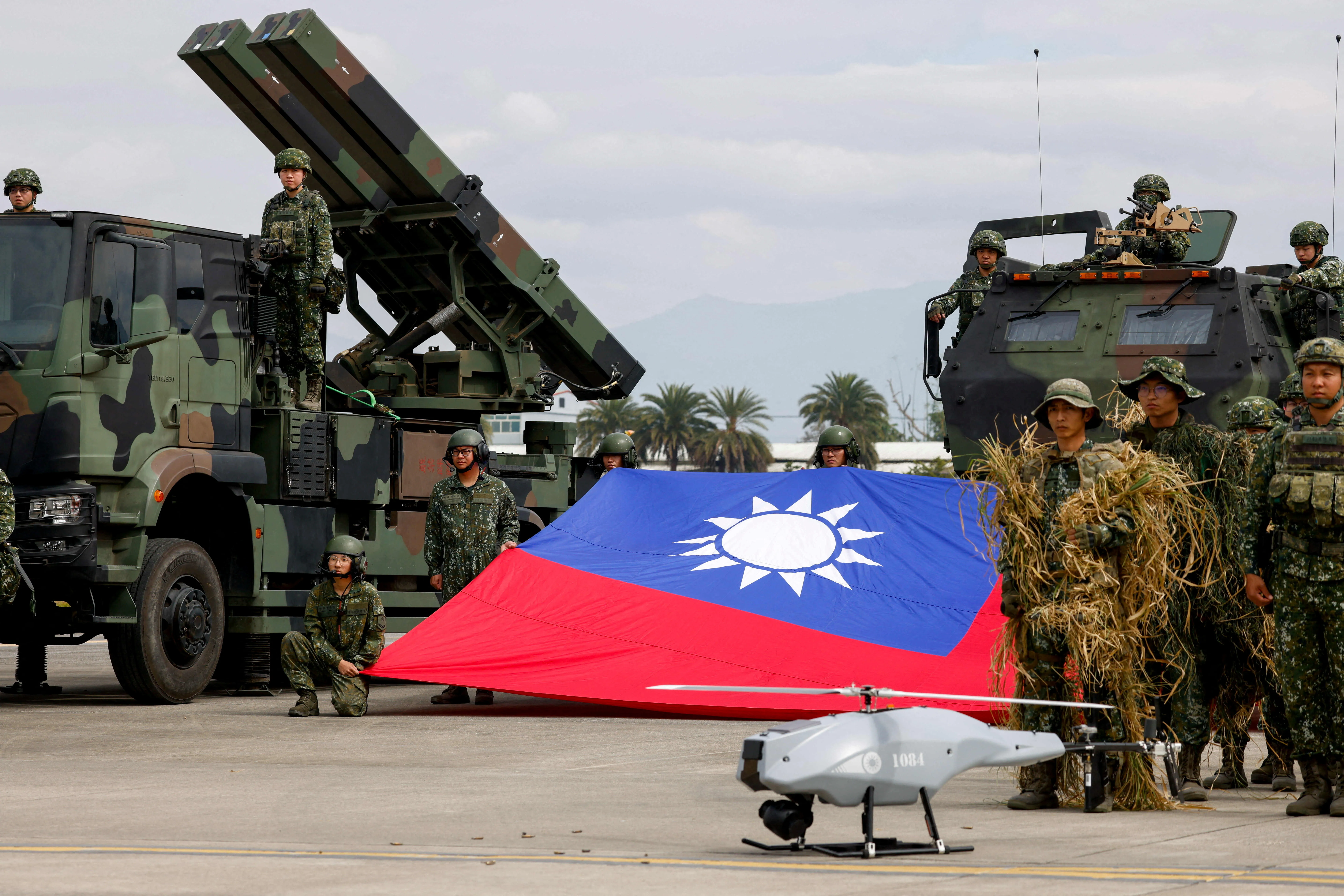
US President Donald Trump has said he plans to raise arms sales to Taiwan in an upcoming meeting with Chinese President Xi Jinping. The disclosure adds a sharp edge to what is already one of the most sensitive topics in US-China relations.
Washington has sold weapons to Taiwan for decades under the Taiwan Relations Act, a 1979 law that obligates the US to provide Taiwan with defensive arms. Beijing has consistently opposed these sales, viewing them as interference in what it considers an internal matter. China claims Taiwan as part of its territory and has never renounced the use of force to bring the island under its control.
The fact that Trump is flagging arms sales as a discussion point, rather than a concession to set aside, signals that the US intends to keep Taiwan's security on the table even as the two governments seek to manage broader tensions. It is a notable posture: past US administrations have often treated Taiwan arms sales as a background irritant to be managed quietly, not a lead agenda item for a summit.
Arms sales to Taiwan sit at the intersection of military deterrence, diplomatic signaling, and economic leverage. For Beijing, any US weapons transfer to Taiwan is a direct challenge to its sovereignty claim. For Taipei, continued US arms supplies are the core of its defense posture against a much larger neighbor. For markets and businesses, the tone of a Trump-Xi meeting can move sentiment across tech, semiconductors, and trade-exposed sectors almost immediately.
Bringing arms sales into the room rather than leaving them as an assumed background tension raises the stakes of the meeting. It opens the possibility of a deal, a deadlock, or a deliberate show of firmness by either side. Each of those outcomes carries different consequences for Taiwan's security environment and for the broader US-China relationship.
Taiwan is central to global semiconductor supply chains. Any escalation in cross-strait tensions tends to ripple through chip stocks and electronics manufacturers worldwide. Conversely, a meeting that produces visible progress on managing Taiwan-related friction, even without a formal agreement, can ease risk premiums that markets attach to the region.
The actual content of the Trump-Xi meeting will matter far more than the pre-meeting signals. Watch for whether arms sales come up as a bargaining chip tied to trade or tariff negotiations, or whether they are treated as a separate security matter. The two framings carry very different long-term consequences for Taiwan and for US credibility in the region.
Also watch Beijing's public response after the meeting. China's official statements about Taiwan arms sales tend to follow a consistent script, but any deviation, either a softer tone or a sharper warning, would be a meaningful signal about where the relationship is heading.
Taiwan's government and defense establishment will be watching closely too. Taipei has built its security planning around the assumption of continued US arms supply. Any hint that Washington might slow or condition those sales as part of a broader deal with Beijing would force a significant reassessment of Taiwan's defense strategy.
For now, Trump's announcement that he will raise the topic confirms that Taiwan will not be sidelined in whatever broader US-China conversation is taking shape. Whether that produces clarity or new friction depends entirely on what happens when the two leaders meet.
Qatar's foreign ministry said mediators including Qatar, Pakistan, and Oman have reached "very progressive stages" in efforts to end the US-Iran war, pushing Brent crude down more than four percent.
Qatar confirmed it is mediating between the US and Iran but said no direct talks are currently planned. The clarification follows conflicting statements from President Trump, who claimed talks are under way, and Tehran, which denied any dialogue is happening.
Saudi Aramco reported sharply higher second-quarter 2026 profits as the Iran war restricts global oil supply and pushes crude prices up. Other oil supermajors also posted outsized earnings, raising concerns about sustained fuel cost pressure for importing economies.
President Trump called current Iran negotiations the "last chance" to end five months of conflict, pushing oil prices higher. Tehran denied formal talks are taking place, raising the risk of a diplomatic breakdown with direct consequences for global energy markets.