
Qatar Signals Progress in US-Iran War Talks
Qatar's foreign ministry said mediators including Qatar, Pakistan, and Oman have reached "very progressive stages" in efforts to end the US-Iran war, pushing Brent crude down more than four percent.
Key Takeaways
May 3, 2026 · 2 min read · By Rishabh Bhardwaj
·
AI-assisted, human-reviewed · Our editorial standards
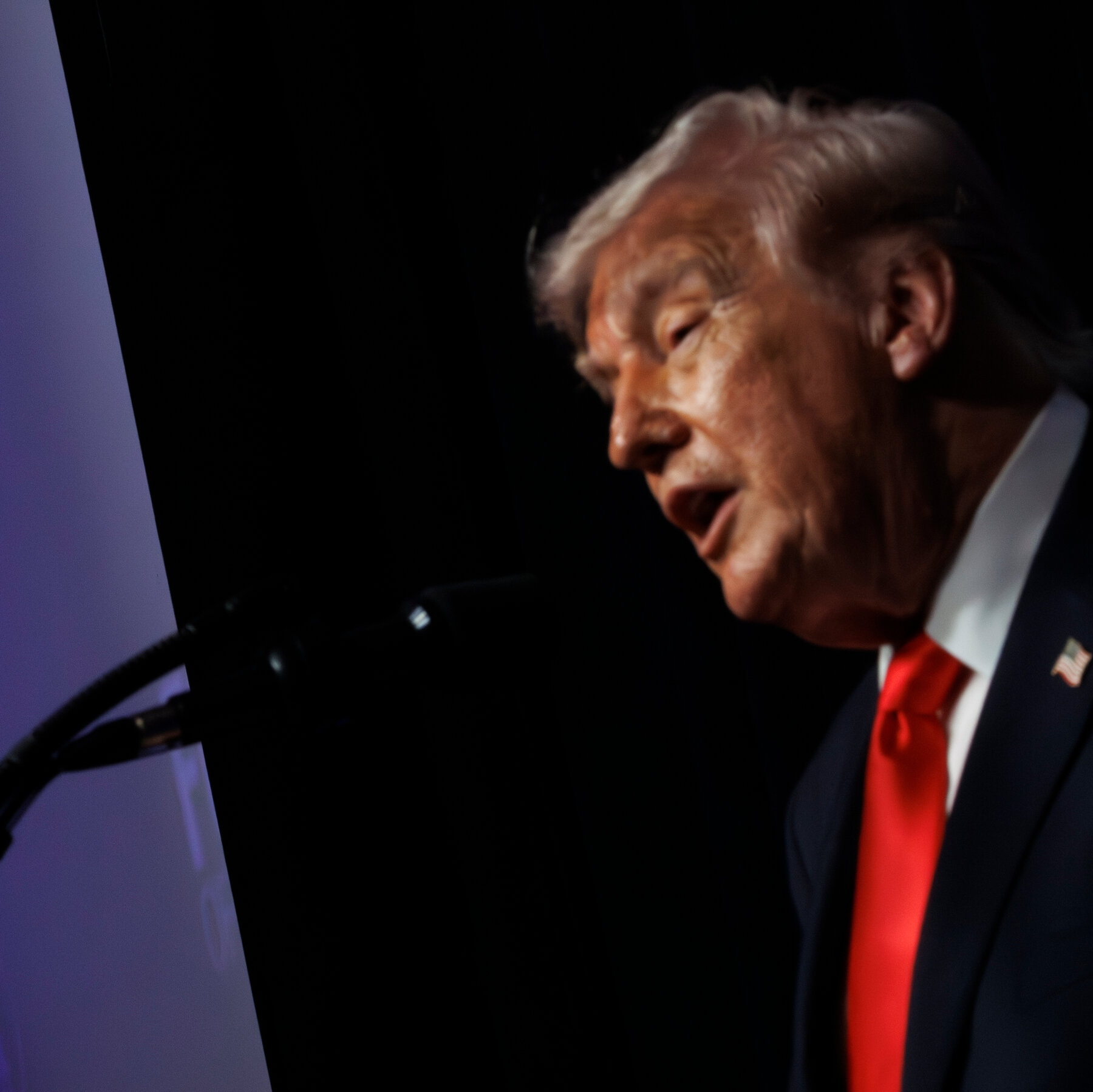
President Donald Trump said on Monday he is reviewing Iran's latest nuclear deal proposal, softening comments he made just a day earlier when he flatly rejected it. Trump added, however, that he doubts the offer will prove acceptable.
The reversal in tone came with a clarification: Trump said he had only been briefed on the "concept of the deal," not its full details. That distinction matters because it signals the administration has not yet formally evaluated the proposal, meaning a final U.S. position has not been set.
The back-and-forth over a single day reflects how unsettled the negotiating dynamic remains between Washington and Tehran. Trump's initial rejection suggested the offer was dead on arrival, but his Monday comments leave the door open, if narrowly. His expressed doubt that the offer is acceptable sets a low bar for optimism while avoiding a hard close-off of talks.
Iran has been under severe U.S. sanctions for years, and any nuclear agreement would carry major consequences for global oil markets. Iran is a significant oil producer, and sanctions relief, or the prospect of it, tends to move crude prices. A deal that brought Iranian oil back into global supply in larger volumes would add downward pressure on prices. Conversely, a complete breakdown in talks raises the risk of escalation, which typically pushes oil prices higher.
The key question now is whether U.S. negotiators will engage with the full text of Iran's proposal or whether Trump's doubt signals a closing position. A formal U.S. response to the proposal's specifics would be the clearest sign that talks are still live. Silence or another public rejection would suggest the gap between the two sides remains too wide to bridge at this stage.
The situation is fluid. Trump's language, reviewing but skeptical, leaves room for either outcome without committing the administration to either path.
Qatar's foreign ministry said mediators including Qatar, Pakistan, and Oman have reached "very progressive stages" in efforts to end the US-Iran war, pushing Brent crude down more than four percent.
Qatar confirmed it is mediating between the US and Iran but said no direct talks are currently planned. The clarification follows conflicting statements from President Trump, who claimed talks are under way, and Tehran, which denied any dialogue is happening.
Saudi Aramco reported sharply higher second-quarter 2026 profits as the Iran war restricts global oil supply and pushes crude prices up. Other oil supermajors also posted outsized earnings, raising concerns about sustained fuel cost pressure for importing economies.
President Trump called current Iran negotiations the "last chance" to end five months of conflict, pushing oil prices higher. Tehran denied formal talks are taking place, raising the risk of a diplomatic breakdown with direct consequences for global energy markets.