
Qatar Signals Progress in US-Iran War Talks
Qatar's foreign ministry said mediators including Qatar, Pakistan, and Oman have reached "very progressive stages" in efforts to end the US-Iran war, pushing Brent crude down more than four percent.
Key Takeaways
May 1, 2026 · 2 min read · By Rishabh Bhardwaj
·
AI-assisted, human-reviewed · Our editorial standards
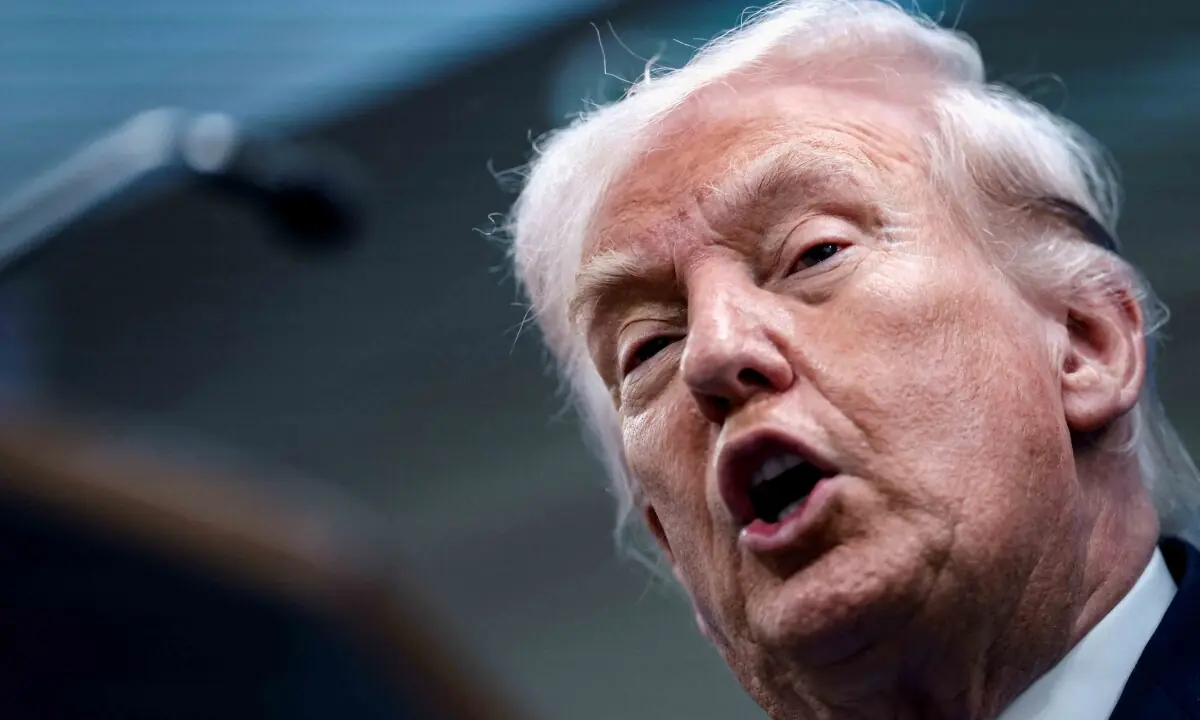
Iran handed a new peace proposal to Pakistan on Thursday evening, asking Islamabad to relay it to Washington. Hours after the text arrived, President Donald Trump told reporters at the White House that he was "not satisfied" with what Tehran had offered, a blunt signal that the two sides remain far apart despite weeks of back-channel contact.
Trump went further, describing the Iranian leadership as "disjointed" and said they "had a lot of problems" and "were not getting along with each other." The comments suggest Washington views Tehran's negotiating position as unstable, which complicates any push to lock in a durable agreement. At the same time, Trump repeated his claim that oil and gas prices would fall once the conflict ends, a reminder that energy markets remain a live variable in how the White House frames the stakes of a deal.
Pakistan has been the main conduit between Washington and Tehran throughout this process. Earlier this month, Islamabad brokered a fragile ceasefire and hosted the first high-level US-Iran contact in decades. That ceasefire has since been extended to give diplomacy more room, but a second formal round of talks has not been convened. Pakistan has stepped back from direct host to a go-between role, passing proposals and responses between the two capitals.
Foreign Office spokesperson Tahir Andrabi confirmed on Thursday that diplomacy was still active despite what he acknowledged was "an apparent impasse." Trump separately praised Pakistan's role, saying he had "great respect" for Prime Minister Shehbaz Sharif and army chief Field Marshal Asim Munir, an unusually warm public endorsement that signals Washington values Islamabad's continued involvement.
Both sides are holding firm positions. The core sticking points have not been publicly detailed, but the pattern, Iran submitting a written proposal, the US president publicly rejecting its terms within hours, points to a significant gap rather than a technical negotiating lag. A ceasefire holding without a political deal is inherently fragile; each side retains leverage but also faces pressure to show progress.
For energy markets, Trump's repeated link between an end to the conflict and lower oil and gas prices is worth tracking. If talks collapse or the ceasefire frays, supply-side risk could reprice quickly. For now, the ball is back in Tehran's court, with no confirmed timeline for a next exchange.
Qatar's foreign ministry said mediators including Qatar, Pakistan, and Oman have reached "very progressive stages" in efforts to end the US-Iran war, pushing Brent crude down more than four percent.
Qatar confirmed it is mediating between the US and Iran but said no direct talks are currently planned. The clarification follows conflicting statements from President Trump, who claimed talks are under way, and Tehran, which denied any dialogue is happening.
Saudi Aramco reported sharply higher second-quarter 2026 profits as the Iran war restricts global oil supply and pushes crude prices up. Other oil supermajors also posted outsized earnings, raising concerns about sustained fuel cost pressure for importing economies.
President Trump called current Iran negotiations the "last chance" to end five months of conflict, pushing oil prices higher. Tehran denied formal talks are taking place, raising the risk of a diplomatic breakdown with direct consequences for global energy markets.