India to Restore UPI Merchant Fees, PhonePe Gains Most
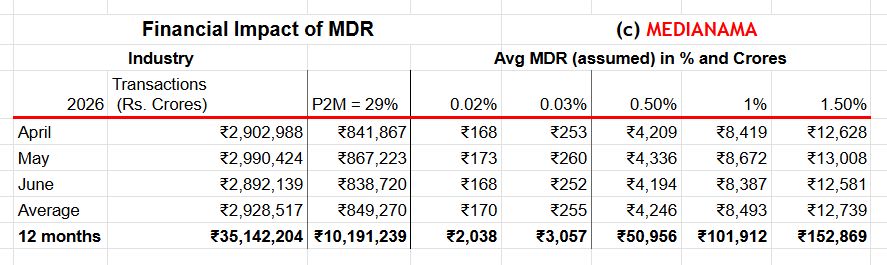
India's government plans to amend the Payment and Settlement Systems Act to restore UPI merchant discount rates, ending the zero-MDR regime in place since January 2020.
Key Takeaways
May 3, 2026 · 2 min read · By Rishabh Bhardwaj
·
AI-assisted, human-reviewed · Our editorial standards
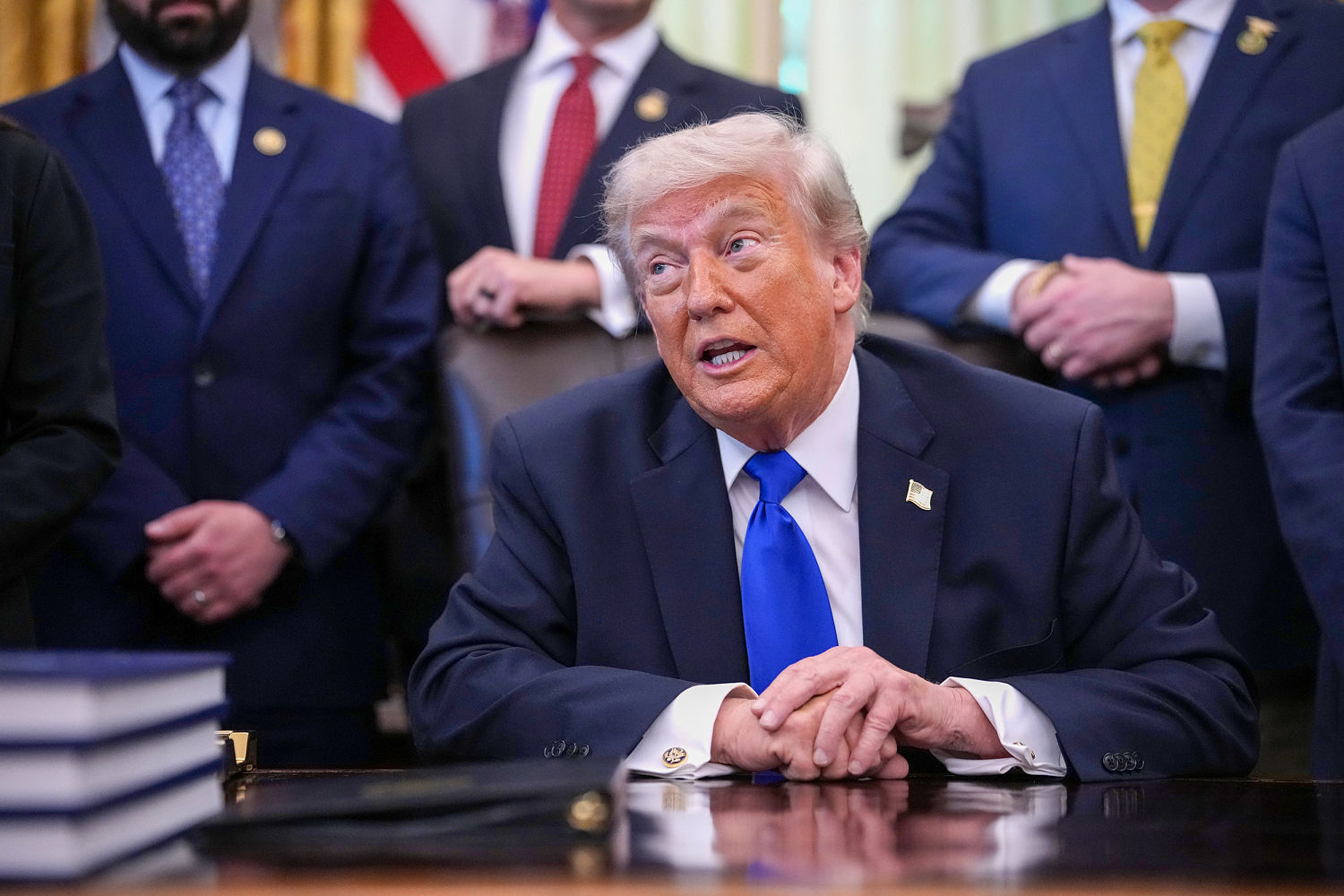
President Donald Trump told Congress on Friday that he does not need its formal authorization to continue military operations against Iran, pointing to a two-week ceasefire he ordered on April 7, 2026, as the reason that threshold does not apply.
The timing is significant. Under the War Powers Resolution, a president must seek congressional authorization within 60 days of committing U.S. forces to hostilities. The conflict with Iran crossed that 60-day mark this week, which would normally trigger that requirement. Trump's argument is that the ceasefire he ordered interrupts the clock, removing the legal obligation to go to Congress for approval.
The War Powers Resolution was passed in 1973 specifically to limit a president's ability to wage extended military campaigns without legislative approval. Trump's position, that a ceasefire he himself ordered satisfies or suspends that requirement, is a novel legal claim. Critics in Congress are likely to argue that a unilateral, temporary pause in fighting does not erase the underlying obligation the law imposes once hostilities reach 60 days.
The practical consequence is that the executive branch is asserting it can sustain a war footing against Iran indefinitely, provided it manages the ceasefire timeline carefully, without a formal congressional vote. That would represent a significant expansion of presidential war-making power in practice, even if the administration frames it as a routine procedural matter.
The immediate question is whether Congress accepts Trump's legal reasoning or pushes back. If key lawmakers, particularly in the Senate, contest the claim, it could force a floor vote on war authorization that the administration clearly wants to avoid. A formal Authorization for Use of Military Force debate would put every senator and representative on record regarding the Iran conflict.
Markets and regional partners will be watching whether the ceasefire holds and whether this legal maneuver signals the administration intends to keep military pressure on Iran without seeking a broader political mandate. Any breakdown in the ceasefire would sharply raise the stakes of the unresolved authorization question.
India's government plans to amend the Payment and Settlement Systems Act to restore UPI merchant discount rates, ending the zero-MDR regime in place since January 2020.
India's government has introduced the Taxation and Other Laws (Amendment) Bill, 2026, proposing changes to payments regulation, income tax, and the Finance Act to attract FDI and support Make in India. The Bill's final shape will depend on parliamentary debate and committee review.
The government's Taxation and Other Laws (Amendment) Bill, 2026, proposes to replace the blanket UPI MDR ban with a system allowing the Centre to notify which payment modes stay fee-free.
Prime Minister Narendra Modi inaugurated the Rs 5,000 crore Bhogapuram greenfield airport in Andhra Pradesh, built under a public-private partnership model. He also laid foundation stones for infrastructure projects worth nearly Rs 18,000 crore in the state, signalling a broad investment push for the region.