
Qatar Signals Progress in US-Iran War Talks
Qatar's foreign ministry said mediators including Qatar, Pakistan, and Oman have reached "very progressive stages" in efforts to end the US-Iran war, pushing Brent crude down more than four percent.
Key Takeaways
May 9, 2026 · 2 min read · By Rishabh Bhardwaj
·
AI-assisted, human-reviewed · Our editorial standards
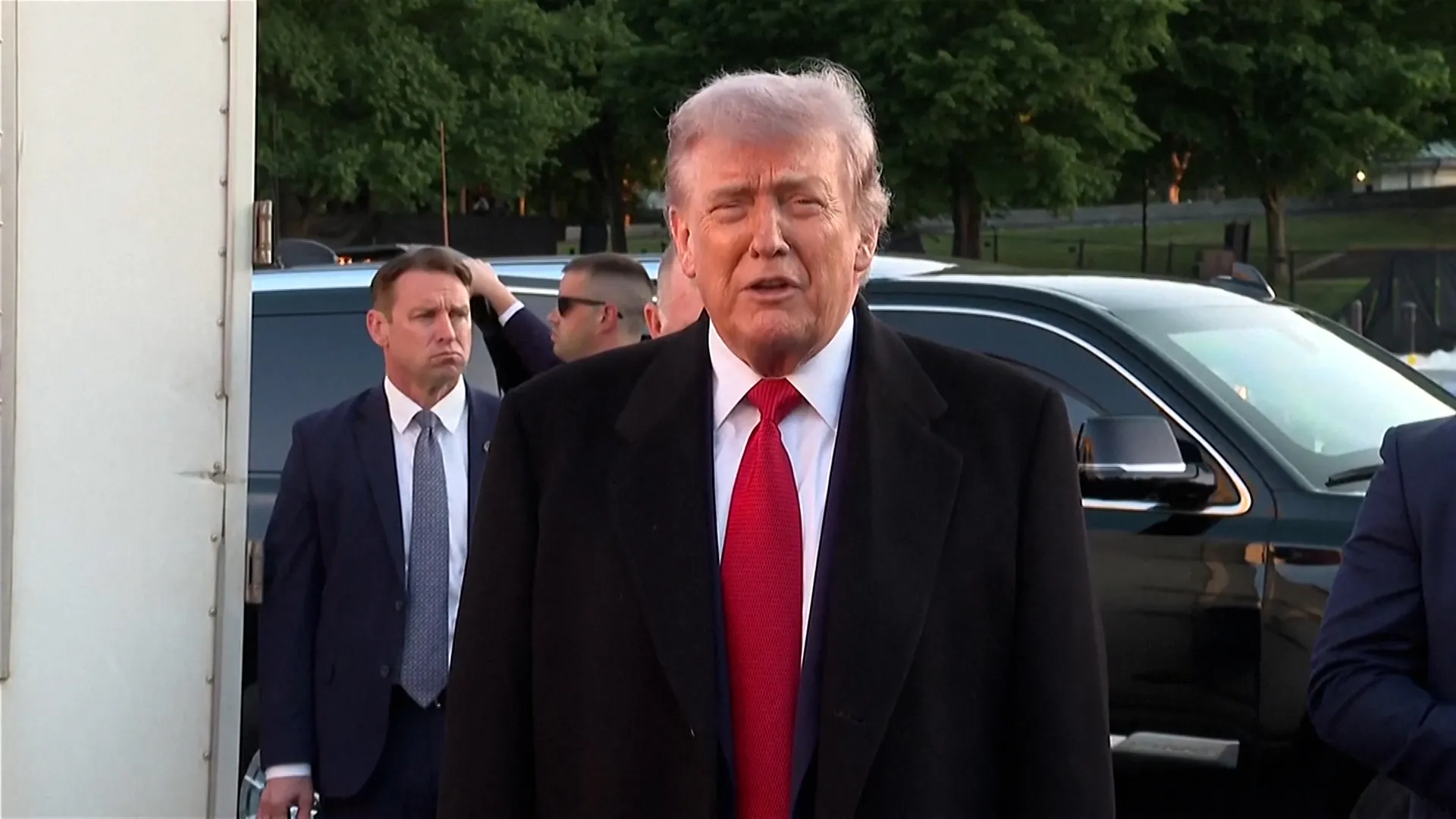
President Donald Trump said the ceasefire between the United States and Iran remains in effect, even as clashes were reported in the Strait of Hormuz. His comments came with a sharp warning: Iran needs to sign a formal agreement quickly.
The Strait of Hormuz is one of the world's most critical oil chokepoints. Roughly 20 percent of global oil supply passes through it, which means any sustained military activity there carries immediate consequences for energy markets and shipping costs worldwide.
Trump's message was direct, the ceasefire holds for now, but Iran should not test it. His phrase "better sign agreement fast" signals that Washington is treating the current pause as temporary and conditional, not a settled outcome. It suggests the US is pushing for a binding deal rather than an open-ended standoff.
The reported clashes in the Strait complicate the diplomatic picture. If fighting is already occurring during a declared ceasefire, it raises questions about who controls the pace of escalation and whether both sides are enforcing the same terms. The source does not specify who was involved in the clashes or what triggered them.
Oil prices are sensitive to any hint of disruption in the Strait of Hormuz. Even without confirmed supply cuts, tensions there tend to push crude prices higher and raise shipping insurance premiums. A breakdown in ceasefire talks would likely amplify that pressure.
For Iran, the stakes are also economic. Prolonged military tension typically tightens sanctions enforcement and makes it harder for the country to sell oil through informal channels. A signed agreement, by contrast, could open space for sanctions relief discussions, though that outcome depends heavily on what terms the US is demanding.
The next key signal to watch is whether Iran responds publicly to Trump's deadline framing, and whether both sides agree on what the ceasefire actually covers in the Strait of Hormuz.
Qatar's foreign ministry said mediators including Qatar, Pakistan, and Oman have reached "very progressive stages" in efforts to end the US-Iran war, pushing Brent crude down more than four percent.
Qatar confirmed it is mediating between the US and Iran but said no direct talks are currently planned. The clarification follows conflicting statements from President Trump, who claimed talks are under way, and Tehran, which denied any dialogue is happening.
Saudi Aramco reported sharply higher second-quarter 2026 profits as the Iran war restricts global oil supply and pushes crude prices up. Other oil supermajors also posted outsized earnings, raising concerns about sustained fuel cost pressure for importing economies.
President Trump called current Iran negotiations the "last chance" to end five months of conflict, pushing oil prices higher. Tehran denied formal talks are taking place, raising the risk of a diplomatic breakdown with direct consequences for global energy markets.