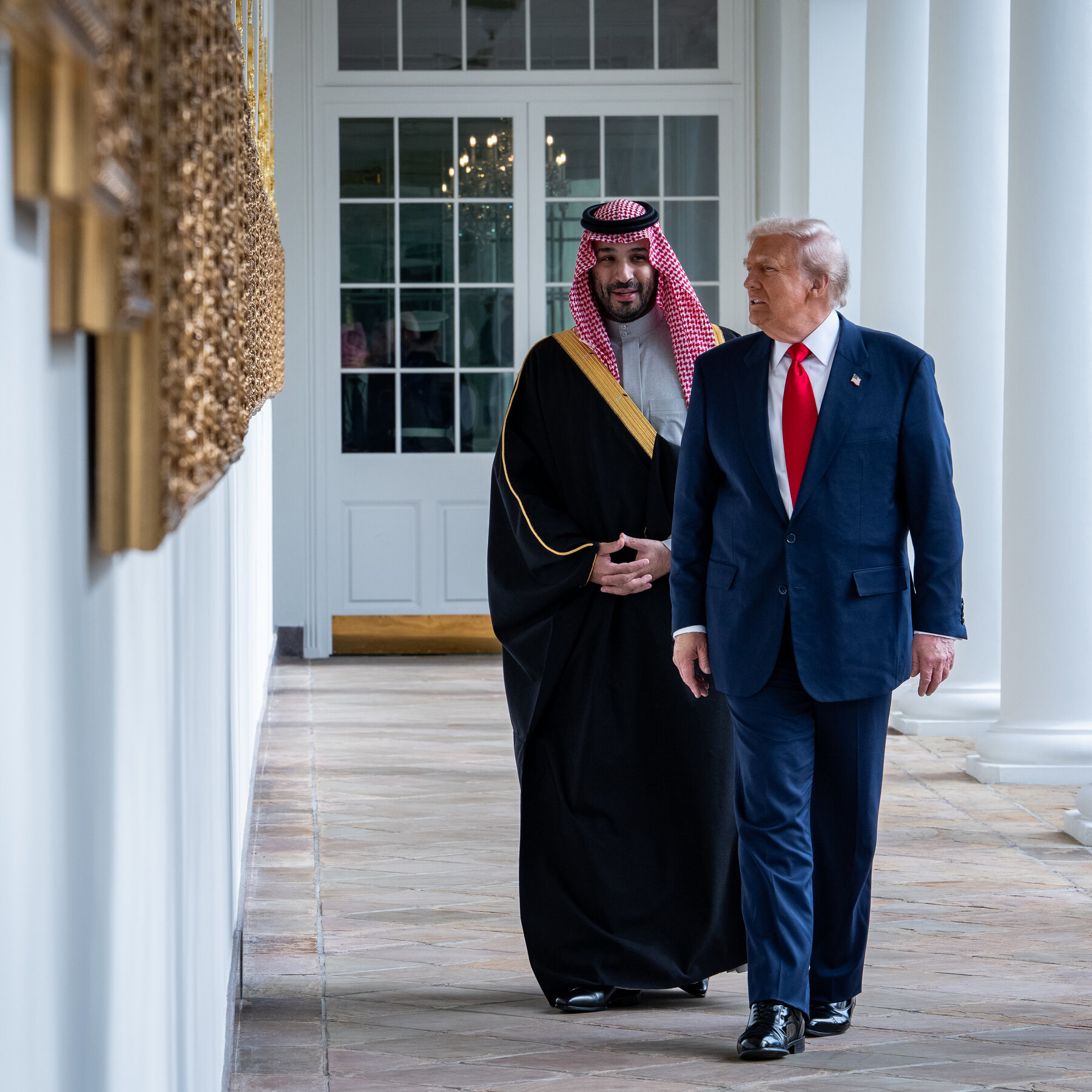
President Donald Trump considered and then abandoned a plan involving the Strait of Hormuz against Iran after Saudi Arabia refused to grant U.S. forces access to its airspace, according to reporting on the episode. The reversal exposes a rare but significant friction between Washington and Riyadh at a moment when the two governments have publicly presented a united front on Iran.
What Happened and Why It Matters
The Strait of Hormuz is the narrow waterway at the mouth of the Persian Gulf through which roughly 20% of the world's oil supply passes. Any military operation there carries immediate consequences for global energy markets, and Saudi Arabia's role as a staging ground would have been logistically critical. When Riyadh withheld that cooperation, the plan became unworkable.
Saudi Arabia's decision to deny airspace access is notable because the kingdom has historically aligned closely with U.S. military posture in the Gulf region and shares deep concerns about Iranian influence. The refusal signals that Riyadh is drawing its own limits around how far it will follow Washington's lead when it perceives the approach as too unpredictable or escalatory.
The Broader Strategic Tension
Trump's Iran policy has swung between maximum-pressure sanctions, direct threats of military action, and periodic overtures toward diplomacy. That inconsistency appears to have made even close partners cautious about committing military infrastructure to operations that could shift course quickly. Saudi Arabia, which sits within range of Iranian missiles and proxy forces, has more direct exposure to any retaliatory strike than the United States does.
The episode also illustrates the operational limits of U.S. military planning when regional partners hedge. Access to bases and airspace in the Gulf is not automatic; it depends on political alignment in real time. When that alignment breaks down, even a superpower's options shrink.
For energy markets, the story is a reminder that Hormuz remains a genuine flashpoint. Any credible military move in or near the strait tends to push oil prices higher on supply-disruption fears. The fact that a plan was considered, even if abandoned, confirms that the scenario is live in U.S. strategic thinking.
Watch for whether this friction reshapes Saudi diplomatic positioning ahead of any future U.S.-Iran negotiations, and whether Riyadh seeks to publicly distance itself from Washington's most aggressive Iran stances going forward.