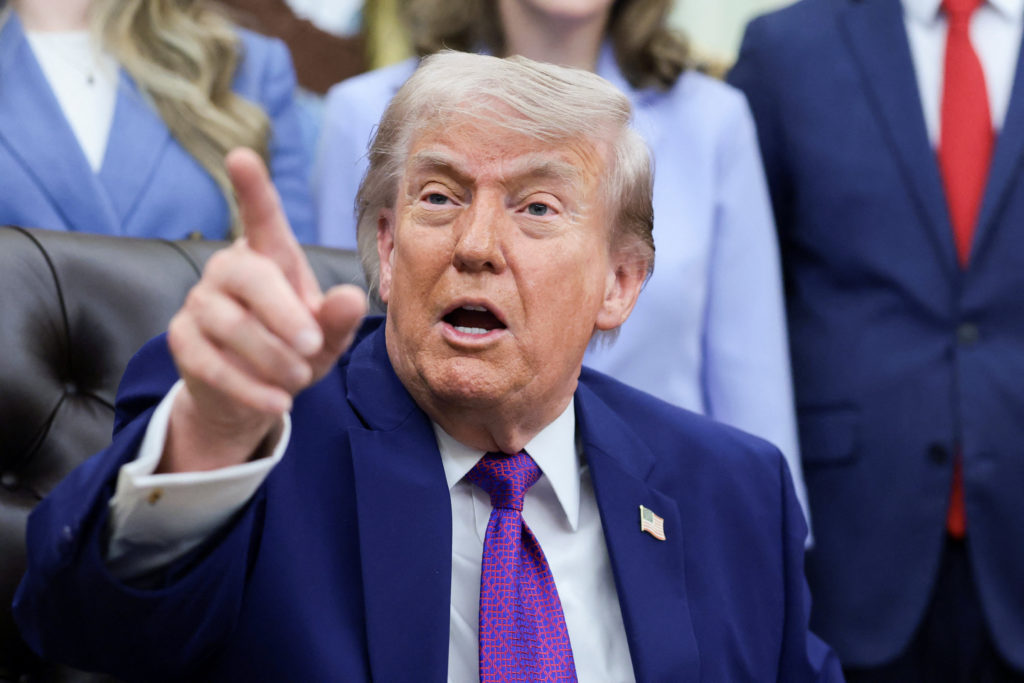
Nuclear talks between the United States and Iran have reached a critical stall, with President Trump declaring the ceasefire is on "life support" after Tehran submitted a peace proposal that did not include concessions on its nuclear program. The rejection marks a sharp escalation in tone after more than two months of active conflict between the two countries.
Trump's response was swift and pointed. He rejected the latest Iranian offer outright, citing the absence of nuclear concessions as a dealbreaker. The White House framed the proposal as insufficient, and the administration moved in parallel to announce a new round of sanctions against Iran.
Why Nuclear Concessions Are the Sticking Point
For the Trump administration, any ceasefire agreement that leaves Iran's nuclear program intact would be seen as a strategic failure. The entire premise of U.S. pressure on Tehran has centered on limiting or eliminating Iran's capacity to develop nuclear weapons. An offer that skips that question entirely gives Washington little political or security justification to stand down.
Iran, for its part, has consistently treated its nuclear program as a sovereign right and a non-negotiable element of any negotiation. That gap, between Washington demanding nuclear rollback and Tehran refusing to put it on the table, is the core reason these talks keep breaking down.
New sanctions add another layer of economic pressure. Sanctions in this context typically target Iran's ability to sell oil, access international financial systems, or move money through global banks. Each round tightens the squeeze, but Iran has shown it can absorb significant economic pain before altering its core positions.
What Comes Next
Trump said he would meet with his top military commanders to discuss next steps, a signal that military options are being actively considered alongside diplomatic ones. That kind of meeting, with senior defense leadership, typically precedes either a show-of-force decision or a formal reassessment of strategic posture. It does not automatically mean military action is imminent, but it raises the stakes of the current standoff.
The combination of a rejected peace offer, fresh sanctions, and a scheduled military briefing leaves the situation in a genuinely unstable position. Ceasefire talks that are described as being on "life support" can either be revived with a new proposal or allowed to collapse entirely, at which point the conflict continues without a diplomatic off-ramp in sight.
For global energy markets, a prolonged or intensifying U.S.-Iran conflict carries real risk. Iran sits on major oil reserves and borders critical shipping routes in the Persian Gulf. Any disruption to those routes, or to Iranian oil exports, tends to push crude prices higher. Investors and traders will be watching the outcome of Trump's military meeting closely for any indication of whether U.S. policy shifts toward direct escalation.
For regional actors, including U.S. allies in the Gulf and Israel, the collapse of ceasefire talks reopens uncertainty about how far the conflict might spread. Countries that rely on stable Gulf shipping for trade and energy supply face collateral exposure if the standoff intensifies.
The next concrete signal to watch is what emerges from Trump's meeting with military commanders. A public statement, a new deployment, or a fresh ultimatum directed at Tehran would each carry a different meaning. Equally important is whether Iran revises its proposal to include any nuclear language, even symbolic, that could give the administration a justification to re-engage.
Right now, both sides appear to be holding firm. Washington wants nuclear concessions before agreeing to anything. Tehran sent a proposal without them. Until one side moves, the ceasefire that is already described as barely alive has little to sustain it.