
Qatar Signals Progress in US-Iran War Talks
Qatar's foreign ministry said mediators including Qatar, Pakistan, and Oman have reached "very progressive stages" in efforts to end the US-Iran war, pushing Brent crude down more than four percent.
Key Takeaways
May 1, 2026 · 3 min read · By Rishabh Bhardwaj
·
AI-assisted, human-reviewed · Our editorial standards
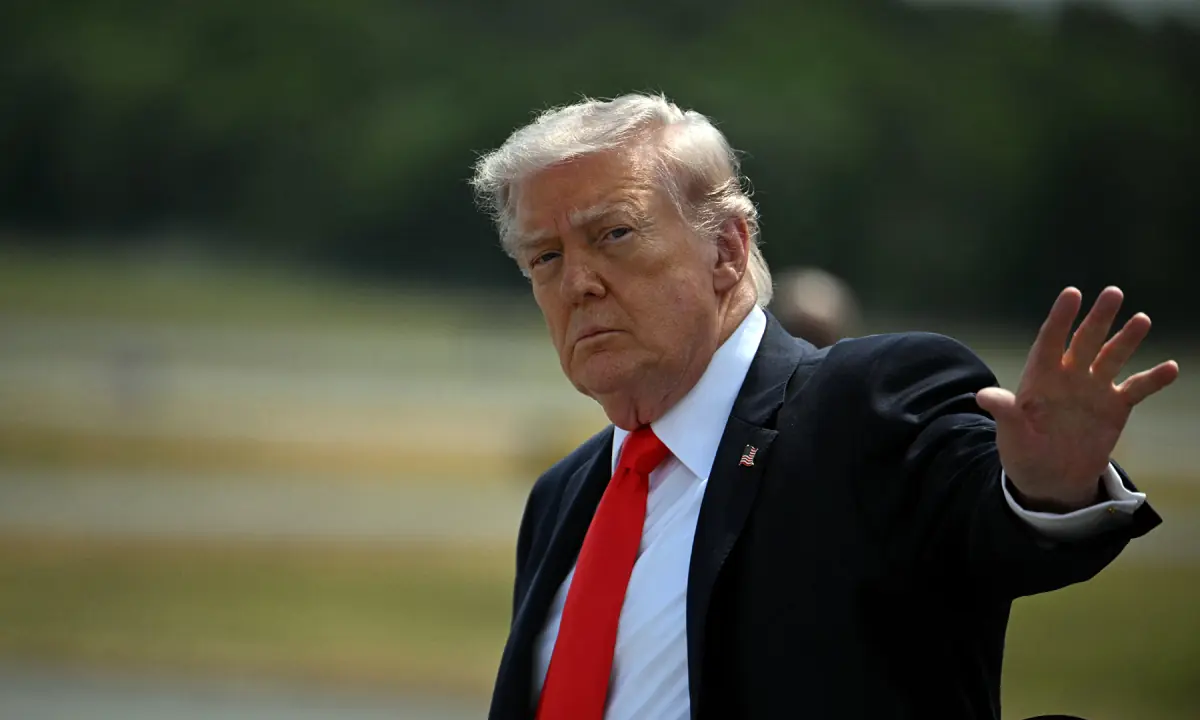
Iran sent a new peace proposal to the United States through Pakistan on Thursday, but President Donald Trump said Friday he was unsatisfied with it, and simultaneously told Congress that hostilities with Iran had already "terminated," using a ceasefire to argue he does not need lawmakers' approval to keep prosecuting the conflict.
Trump told reporters at the White House that Iran was "asking for things that I can't agree" but gave no specifics. He described Iran's leadership as "disjointed" and said there was "tremendous discord" inside the Islamic republic. The White House declined to detail the proposal. News site Axios reported that US envoy Steve Witkoff had submitted amendments seeking to reintroduce Iran's nuclear programme into the talks, including demands that Tehran not move enriched uranium from bombed sites or resume nuclear activity there during negotiations.
Pakistan handed Iran's proposal text to Islamabad on Thursday evening, according to Iranian state media agency IRNA. Pakistan has been acting as a go-between since brokering the first high-level US-Iran contact in decades last month. With a second formal round of talks proving difficult to arrange, Islamabad has shifted back to a facilitating role rather than hosting direct meetings. Trump said he had "great respect" for Pakistan, Prime Minister Shehbaz Sharif, and army chief Field Marshal Asim Munir.
Friday also marked the 60-day deadline under the 1973 War Powers Resolution, which requires a president to either end military action, seek congressional authorization, or claim a 30-day extension for troop safety. Trump formally notified Congress of the US-Israeli war on Iran 48 hours after the first airstrikes on February 28, 2026, starting that clock. In a letter to congressional leaders Friday, Trump declared that the ceasefire means hostilities have "terminated," arguing this sidesteps the requirement entirely.
Trump separately called the War Powers Resolution unconstitutional, a position taken by presidents of both parties, though courts have never definitively ruled on the matter. A senior administration official had said Thursday the deadline simply did not apply. Congressional Democrats pushed back hard, pointing out the 1973 law contains no ceasefire exemption. They also argued that the ongoing US naval blockade of Iranian oil exports constitutes continuing hostility, not a concluded conflict.
Senator Jeanne Shaheen, the top Democrat on the Senate Foreign Relations Committee, called the 60-day mark "a clear legal threshold" and said Trump still lacks a strategy or exit path. In his own letter, Trump acknowledged Iran remains a "significant" threat to the US and its armed forces, an implicit admission the situation is unresolved. He told reporters the options were either a deal or "go in there heavy and just blast them away," while saying he would "prefer not" to launch a major new offensive.
The fragile ceasefire, brokered by Pakistan, has been extended to allow more diplomatic space, but both sides are holding firm positions. Trump predicted oil and gas prices would fall once the war ends. With talks stalled, Iran's nuclear posture unresolved, a contested legal deadline now passed, and a US naval blockade still in place, the next few days will test whether either side is willing to move.
Qatar's foreign ministry said mediators including Qatar, Pakistan, and Oman have reached "very progressive stages" in efforts to end the US-Iran war, pushing Brent crude down more than four percent.
Qatar confirmed it is mediating between the US and Iran but said no direct talks are currently planned. The clarification follows conflicting statements from President Trump, who claimed talks are under way, and Tehran, which denied any dialogue is happening.
Saudi Aramco reported sharply higher second-quarter 2026 profits as the Iran war restricts global oil supply and pushes crude prices up. Other oil supermajors also posted outsized earnings, raising concerns about sustained fuel cost pressure for importing economies.
President Trump called current Iran negotiations the "last chance" to end five months of conflict, pushing oil prices higher. Tehran denied formal talks are taking place, raising the risk of a diplomatic breakdown with direct consequences for global energy markets.