
Qatar Signals Progress in US-Iran War Talks
Qatar's foreign ministry said mediators including Qatar, Pakistan, and Oman have reached "very progressive stages" in efforts to end the US-Iran war, pushing Brent crude down more than four percent.
Key Takeaways
May 3, 2026 · 2 min read · By Rishabh Bhardwaj
·
AI-assisted, human-reviewed · Our editorial standards
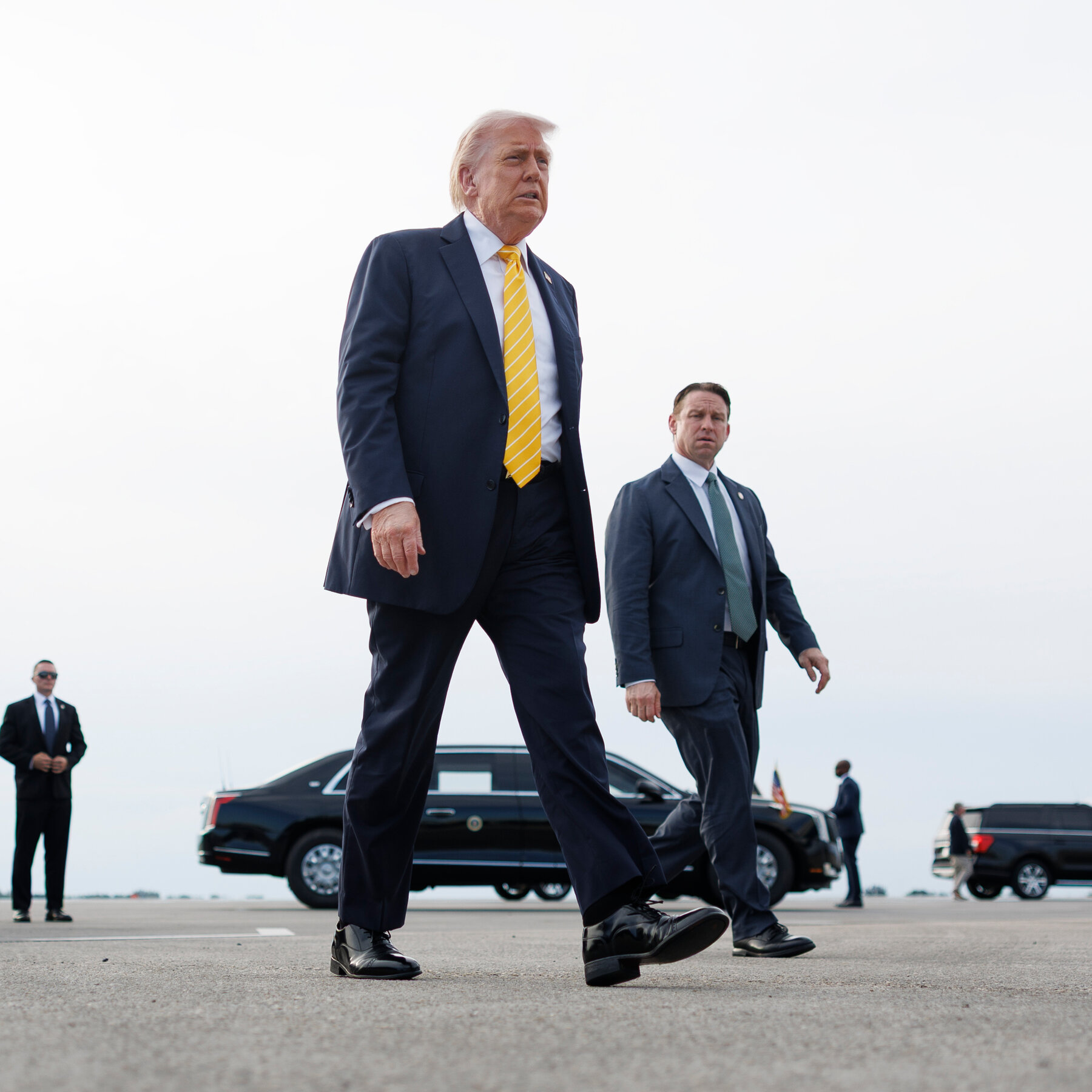
President Trump is confronting a gap between the war he described and the war now unfolding. Early predictions of a brief, low-cost conflict with Iran are running into harder realities on the ground and in financial markets.
Trump had signaled the confrontation with Iran would be contained and economically manageable. Those expectations are under pressure as the conflict shows signs of dragging longer and costing more than the administration publicly projected.
Wars involving Iran carry specific economic risks that are difficult to suppress. Iran sits at a chokepoint for global oil shipments, the Strait of Hormuz, through which roughly 20 percent of the world's oil supply passes. Any sustained military engagement raises the threat of disruption there, which pushes energy prices higher and feeds through to inflation, transport costs, and consumer spending across major economies, including the United States.
Unpopularity is the other variable tightening around the White House. Wars that extend beyond their predicted timelines tend to lose public support quickly, and a conflict that starts to affect fuel prices or triggers broader economic instability can accelerate that decline. Trump built much of his political brand on economic competence and deal-making, so a prolonged, expensive military engagement would cut directly against that image.
The administration also faces a structural problem: the United States does not have an easy off-ramp. Entering into negotiations would require Iran to accept terms, and Iran has consistently shown it is willing to absorb economic punishment rather than concede on core security and nuclear positions. That means a quick resolution depends on factors largely outside Washington's control.
For markets, the key watch points are oil price movement, any signs of Strait of Hormuz disruption, and shifts in defense spending expectations. For voters, the more immediate concern will be whether the conflict drives up costs at the pump and erodes the economic conditions that Trump has prioritized since returning to office.
The article provides limited specific facts, no casualty figures, no confirmed economic data, no named officials beyond Trump, so the precise scope of the conflict remains unclear from this source. What is clear is that the administration's early framing of this as a short and manageable confrontation is no longer holding.
Qatar's foreign ministry said mediators including Qatar, Pakistan, and Oman have reached "very progressive stages" in efforts to end the US-Iran war, pushing Brent crude down more than four percent.
Qatar confirmed it is mediating between the US and Iran but said no direct talks are currently planned. The clarification follows conflicting statements from President Trump, who claimed talks are under way, and Tehran, which denied any dialogue is happening.
Saudi Aramco reported sharply higher second-quarter 2026 profits as the Iran war restricts global oil supply and pushes crude prices up. Other oil supermajors also posted outsized earnings, raising concerns about sustained fuel cost pressure for importing economies.
President Trump called current Iran negotiations the "last chance" to end five months of conflict, pushing oil prices higher. Tehran denied formal talks are taking place, raising the risk of a diplomatic breakdown with direct consequences for global energy markets.