
Qatar Signals Progress in US-Iran War Talks
Qatar's foreign ministry said mediators including Qatar, Pakistan, and Oman have reached "very progressive stages" in efforts to end the US-Iran war, pushing Brent crude down more than four percent.
Key Takeaways
May 8, 2026 · 2 min read · By Rishabh Bhardwaj
·
AI-assisted, human-reviewed · Our editorial standards
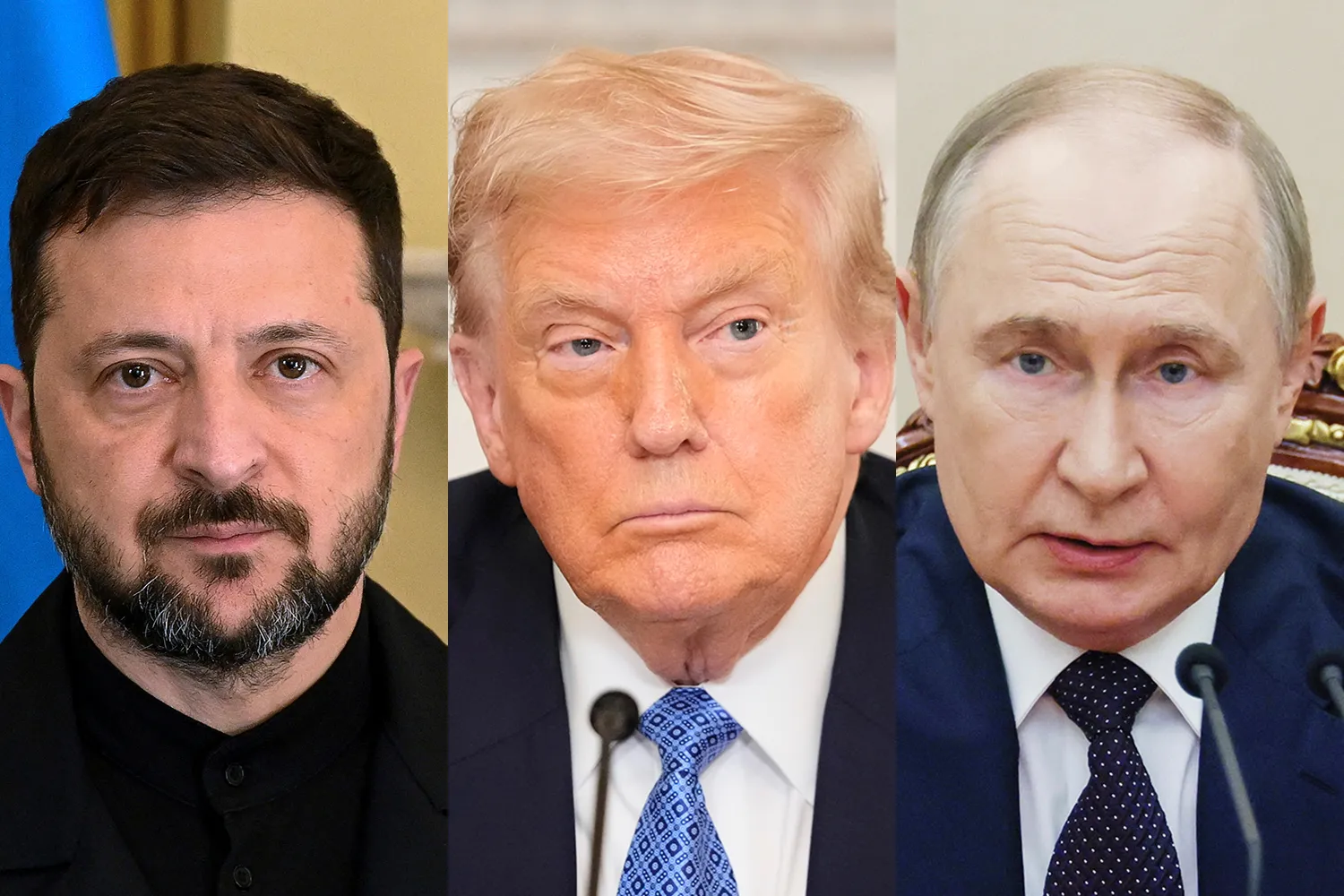
US President Donald Trump announced a three-day ceasefire between Russia and Ukraine, saying the truce will also include a swap of 1,000 prisoners of war from each side.
The announcement marks a direct American intervention in the conflict's tempo, with Trump positioning the US as the broker of a short-term pause. A prisoner exchange of this scale, 1,000 from each country, would be among the larger swaps since the war began in February 2022, and signals at least a minimal level of coordination between Moscow and Kyiv.
A ceasefire of this length is a tactical pause, not a peace deal. Both sides retain their positions, and fighting is expected to resume unless the truce is extended or leads to further negotiation. Short ceasefires in active conflicts often serve as confidence-building steps, a way to test whether the other side will hold to an agreement before committing to longer talks.
The prisoner swap is the more immediately concrete element. Exchanges of this kind require direct logistical coordination between the two militaries, typically through a neutral intermediary. If it proceeds as announced, it would deliver a tangible humanitarian outcome regardless of what happens at the diplomatic level.
The key question is whether either side uses the pause to push for an extension or a broader framework. Trump's role as the announcing party suggests Washington is actively pressing both governments, but the durability of even a three-day halt depends on front-line compliance, something that has broken down quickly in past ceasefires in this conflict. Whether Russia and Ukraine publicly confirm the terms, and whether the prisoner swap actually takes place, will be the first tests of whether this announcement holds.
Qatar's foreign ministry said mediators including Qatar, Pakistan, and Oman have reached "very progressive stages" in efforts to end the US-Iran war, pushing Brent crude down more than four percent.
Qatar confirmed it is mediating between the US and Iran but said no direct talks are currently planned. The clarification follows conflicting statements from President Trump, who claimed talks are under way, and Tehran, which denied any dialogue is happening.
Saudi Aramco reported sharply higher second-quarter 2026 profits as the Iran war restricts global oil supply and pushes crude prices up. Other oil supermajors also posted outsized earnings, raising concerns about sustained fuel cost pressure for importing economies.
President Trump called current Iran negotiations the "last chance" to end five months of conflict, pushing oil prices higher. Tehran denied formal talks are taking place, raising the risk of a diplomatic breakdown with direct consequences for global energy markets.