
Qatar Signals Progress in US-Iran War Talks
Qatar's foreign ministry said mediators including Qatar, Pakistan, and Oman have reached "very progressive stages" in efforts to end the US-Iran war, pushing Brent crude down more than four percent.
Key Takeaways
May 1, 2026 · 2 min read · By Rishabh Bhardwaj
·
AI-assisted, human-reviewed · Our editorial standards
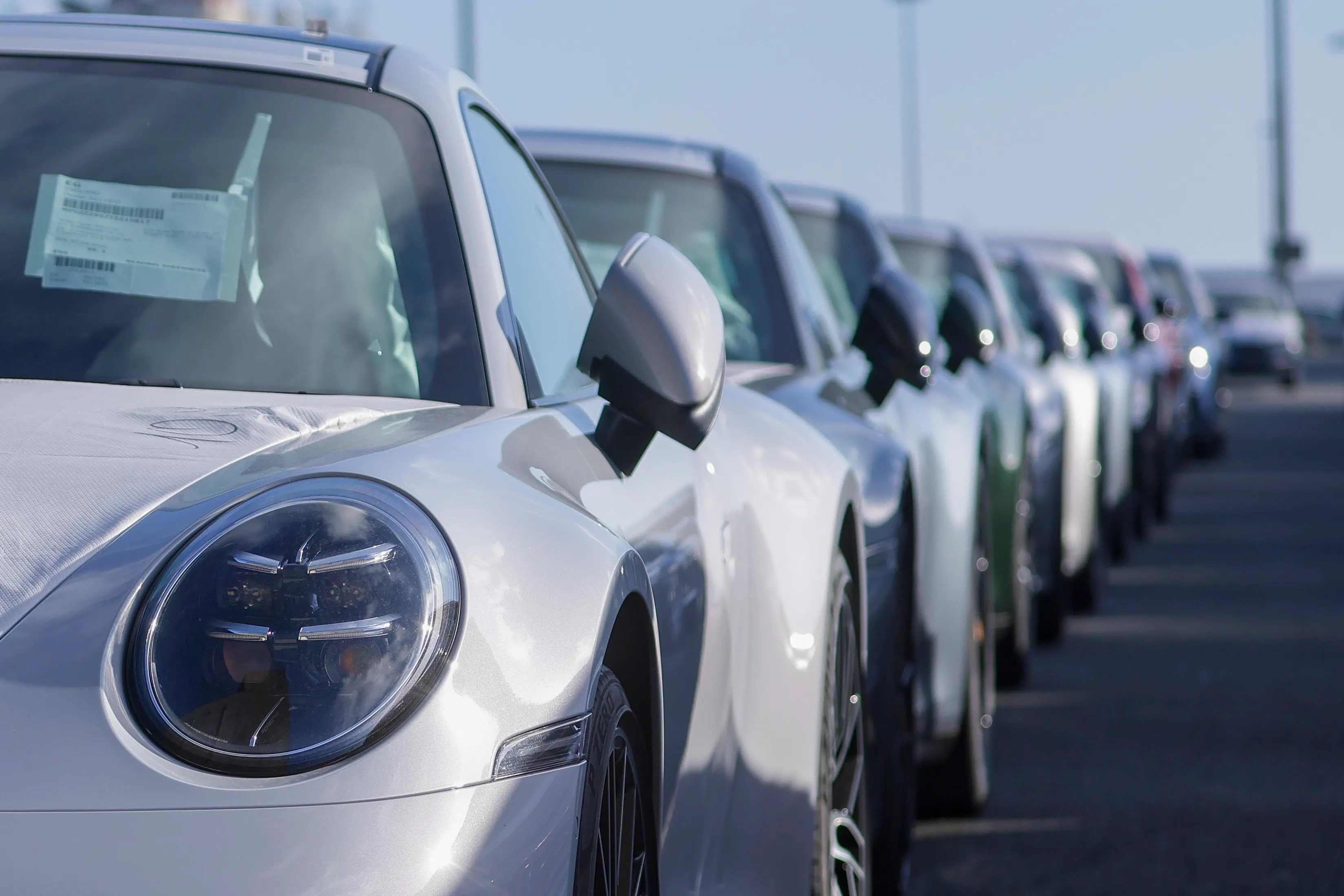
President Donald Trump has announced 25 percent tariffs on cars and trucks imported from the European Union, escalating a trade dispute that has rattled global markets and added fresh uncertainty to an already fragile economic picture.
Trump framed the move as a response to the EU's failure to comply with an existing trade arrangement, though the specific terms of the alleged non-compliance were not detailed. The announcement follows a broader pattern of Trump using tariffs as leverage to pressure trading partners into renegotiating terms more favorable to the United States.
A 25 percent tariff means American importers pay that surcharge on the declared value of every European car or truck that enters the US. In practice, that cost usually gets passed along the supply chain, partly absorbed by manufacturers, partly by dealers, and often at least partly by buyers. European automakers who rely heavily on US sales, including German brands like Volkswagen, BMW, and Mercedes-Benz, face the most direct exposure.
The EU is one of the largest sources of imported vehicles into the United States. A tariff at this level could meaningfully shift the price competitiveness of European models against US-made or domestically assembled alternatives, including vehicles from Asian brands that build cars inside America.
This announcement lands during a period of broad global economic uncertainty, with trade policy already weighing on business investment decisions and consumer confidence in multiple major economies. The EU has previously signaled it would respond to US tariffs with retaliatory measures on American goods, though no specific counter-response was announced alongside this news.
The move also raises compliance questions for automakers mid-production cycle. Manufacturers typically plan supply chains and pricing one to two years ahead, so a sudden tariff shift creates real operational pressure, particularly for brands that build cars in Europe specifically for the US market rather than producing locally.
Watch for the EU's formal response and whether European automakers announce pricing changes, production shifts, or accelerated US manufacturing investments as a direct consequence.
Qatar's foreign ministry said mediators including Qatar, Pakistan, and Oman have reached "very progressive stages" in efforts to end the US-Iran war, pushing Brent crude down more than four percent.
Qatar confirmed it is mediating between the US and Iran but said no direct talks are currently planned. The clarification follows conflicting statements from President Trump, who claimed talks are under way, and Tehran, which denied any dialogue is happening.
Saudi Aramco reported sharply higher second-quarter 2026 profits as the Iran war restricts global oil supply and pushes crude prices up. Other oil supermajors also posted outsized earnings, raising concerns about sustained fuel cost pressure for importing economies.
President Trump called current Iran negotiations the "last chance" to end five months of conflict, pushing oil prices higher. Tehran denied formal talks are taking place, raising the risk of a diplomatic breakdown with direct consequences for global energy markets.