
Qatar Signals Progress in US-Iran War Talks
Qatar's foreign ministry said mediators including Qatar, Pakistan, and Oman have reached "very progressive stages" in efforts to end the US-Iran war, pushing Brent crude down more than four percent.
Key Takeaways
May 10, 2026 · 2 min read · By Rishabh Bhardwaj
·
AI-assisted, human-reviewed · Our editorial standards
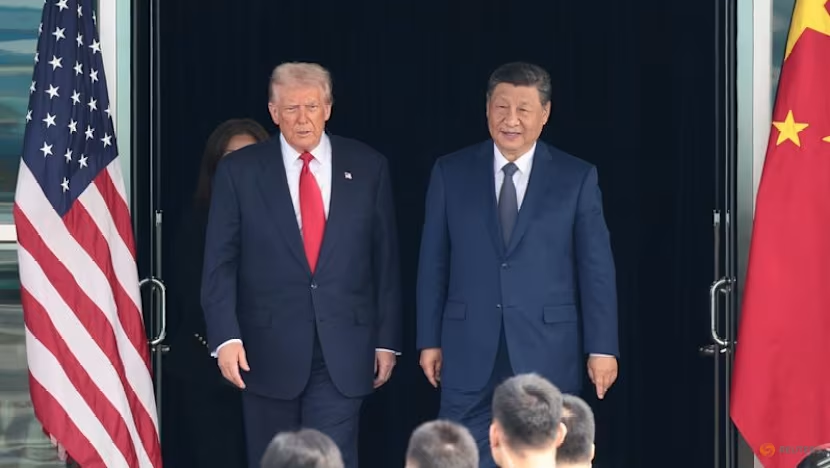
Donald Trump and Xi Jinping are set to meet in person for the first time in over six months, with a wide-ranging agenda covering trade tensions, Iran, nuclear issues, and artificial intelligence. The summit comes as both sides seek to stabilise a relationship that has been under pressure on multiple fronts.
Trade remains the most concrete pressure point between Washington and Beijing. Tariffs and technology restrictions imposed over the past several years have reshaped supply chains and created ongoing friction for businesses operating across both economies. Any signals from the talks on tariff relief or technology access rules would carry immediate market relevance.
Iran adds a new and volatile dimension. The ongoing US and Israeli military campaign against Iran puts China in an awkward position: Beijing has maintained economic and diplomatic ties with Tehran, while the US is pressing allies and partners to limit those links. How Xi responds to American pressure on Iran could shape trade and energy flows in the region, which directly affect Asian markets and oil prices.
Nuclear issues are also on the agenda, likely tied to both Iran's nuclear programme and broader strategic arms concerns. China's role as a potential backstop for Iran's economic and diplomatic position gives Beijing unusual leverage in any negotiations around nuclear containment.
AI governance is the fourth major topic, reflecting how quickly technology competition has become a core element of US-China rivalry. Export controls on advanced chips and disputes over AI development standards have become as central to the relationship as tariffs once were. Even a modest agreement on AI norms or data standards could shift the trajectory for tech companies on both sides.
The meeting itself is a stabilising signal. When the two leaders are not talking, lower-level disputes tend to escalate faster and with less predictability. A face-to-face summit creates space for back-channel conversations that public statements cannot replace.
For markets, the key watch points are any movement on tariff schedules, new restrictions or easing on technology exports, and any joint language on Iran that could affect oil supply expectations. A breakdown or conspicuously cold tone from the talks could move risk sentiment across Asian and emerging-market assets quickly.
No outcome has been announced ahead of the meeting, and both governments have signalled that expectations should remain measured. What the two sides agree to say publicly after the talks will matter as much as any formal deals.
Qatar's foreign ministry said mediators including Qatar, Pakistan, and Oman have reached "very progressive stages" in efforts to end the US-Iran war, pushing Brent crude down more than four percent.
Qatar confirmed it is mediating between the US and Iran but said no direct talks are currently planned. The clarification follows conflicting statements from President Trump, who claimed talks are under way, and Tehran, which denied any dialogue is happening.
Saudi Aramco reported sharply higher second-quarter 2026 profits as the Iran war restricts global oil supply and pushes crude prices up. Other oil supermajors also posted outsized earnings, raising concerns about sustained fuel cost pressure for importing economies.
President Trump called current Iran negotiations the "last chance" to end five months of conflict, pushing oil prices higher. Tehran denied formal talks are taking place, raising the risk of a diplomatic breakdown with direct consequences for global energy markets.