
Qatar Signals Progress in US-Iran War Talks
Qatar's foreign ministry said mediators including Qatar, Pakistan, and Oman have reached "very progressive stages" in efforts to end the US-Iran war, pushing Brent crude down more than four percent.
Key Takeaways
May 12, 2026 · 3 min read · By Rishabh Bhardwaj
·
AI-assisted, human-reviewed · Our editorial standards
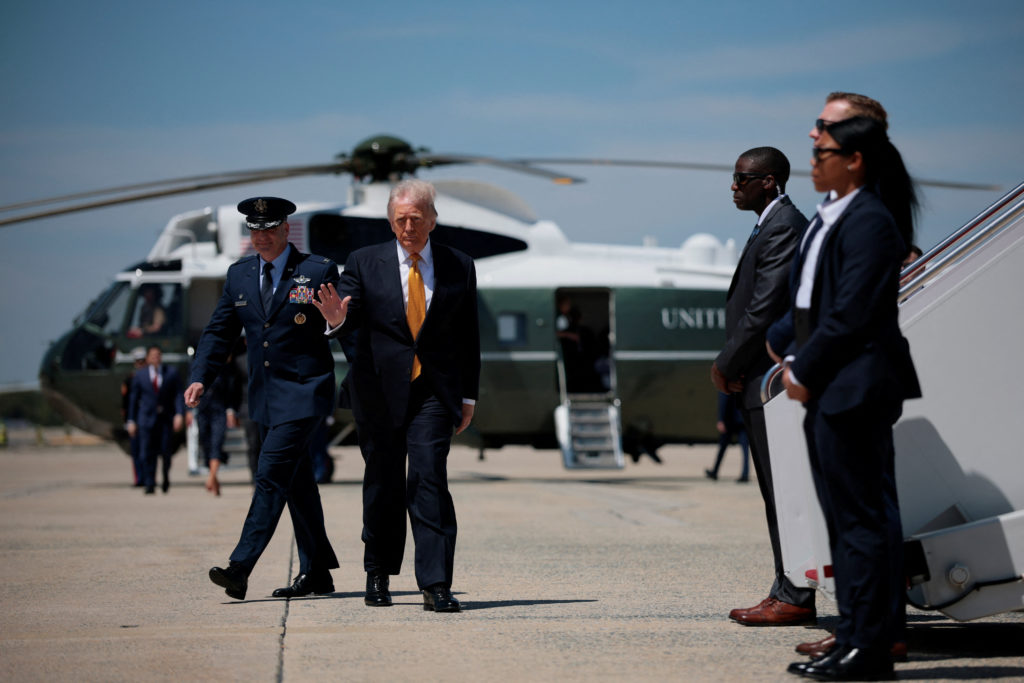
Donald Trump and Xi Jinping are preparing to meet against a complicated backdrop: the ongoing US military campaign against Iran's nuclear sites. Both leaders appear to want the summit to stay focused on trade and economic issues rather than letting the Iran situation dominate the agenda.
The White House has gone out of its way to set modest expectations. Officials are not predicting that Trump will persuade Xi to change China's position on Iran, a significant admission given how much diplomatic leverage the US typically tries to project before a high-stakes bilateral meeting.
China has deep economic ties with Iran, buying large volumes of Iranian oil and providing a financial lifeline that US sanctions have failed to fully sever. Any American push for Beijing to cut off or pressure Tehran would ask China to sacrifice tangible commercial interests in exchange for goodwill on a separate file, which Beijing has historically been unwilling to do.
The practical problem is that Iran and trade are not entirely separate issues for either side. The US has long argued that China's oil purchases from Iran help fund Tehran's military programs. If Trump raises this at the summit, even briefly, Xi is likely to push back, framing it as interference in bilateral economic arrangements. That kind of friction could spill into the trade conversation both sides want to keep constructive.
At the same time, the US military campaign against Iran creates pressure on Trump to show that allies and major powers are aligned, or at least not actively undermining, American objectives. A China summit that produces no movement on Iran could be read domestically as a diplomatic half-measure, even if it delivers wins on tariffs or other trade terms.
The decision to downplay Iran expectations before the meeting is a deliberate sequencing choice. By framing the summit primarily as a trade and economic engagement, both governments reduce the chance that a disagreement on Iran blows up the broader conversation. It is a way of ring-fencing the agenda, ensuring that one contentious file does not derail progress on another.
Markets and analysts will be watching closely for any joint statement language or deliberate silence on Iran. If the readout from both sides avoids the topic entirely, that signals a managed agreement to disagree, which is itself a form of diplomatic outcome. If Trump claims any movement from Xi on Iran, even vague language about regional stability, his team will likely frame it as a win.
On trade, the bar is also relatively low. Any signal of tariff relief, resumed negotiations on specific goods, or a framework for further talks would be enough to move markets given how much uncertainty the US-China trade relationship has injected into global supply chains over the past two years.
The deeper dynamic here is that both leaders have domestic reasons to produce a workable summit. Trump wants to show he can deal directly with China on terms favorable to the US. Xi wants stability in the economic relationship at a time when China's own growth outlook faces pressure. That shared interest in a functional outcome is the real force keeping the Iran issue from swamping the room.
What the summit will not resolve is the structural tension between Washington's Iran strategy and Beijing's energy sourcing decisions. That conflict will persist well after the leaders shake hands, and it will keep surfacing in sanctions enforcement, secondary tariff threats, and diplomatic friction for months ahead.
Qatar's foreign ministry said mediators including Qatar, Pakistan, and Oman have reached "very progressive stages" in efforts to end the US-Iran war, pushing Brent crude down more than four percent.
Qatar confirmed it is mediating between the US and Iran but said no direct talks are currently planned. The clarification follows conflicting statements from President Trump, who claimed talks are under way, and Tehran, which denied any dialogue is happening.
Saudi Aramco reported sharply higher second-quarter 2026 profits as the Iran war restricts global oil supply and pushes crude prices up. Other oil supermajors also posted outsized earnings, raising concerns about sustained fuel cost pressure for importing economies.
President Trump called current Iran negotiations the "last chance" to end five months of conflict, pushing oil prices higher. Tehran denied formal talks are taking place, raising the risk of a diplomatic breakdown with direct consequences for global energy markets.