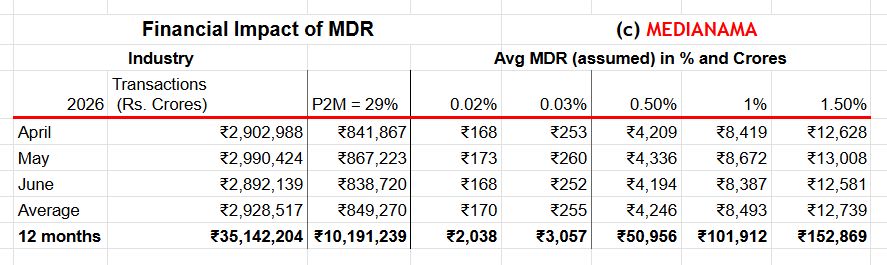
India to Restore UPI Merchant Fees, PhonePe Gains Most
India's government plans to amend the Payment and Settlement Systems Act to restore UPI merchant discount rates, ending the zero-MDR regime in place since January 2020.
Key Takeaways
May 8, 2026 · 2 min read · By Rishabh Bhardwaj
·
AI-assisted, human-reviewed · Our editorial standards
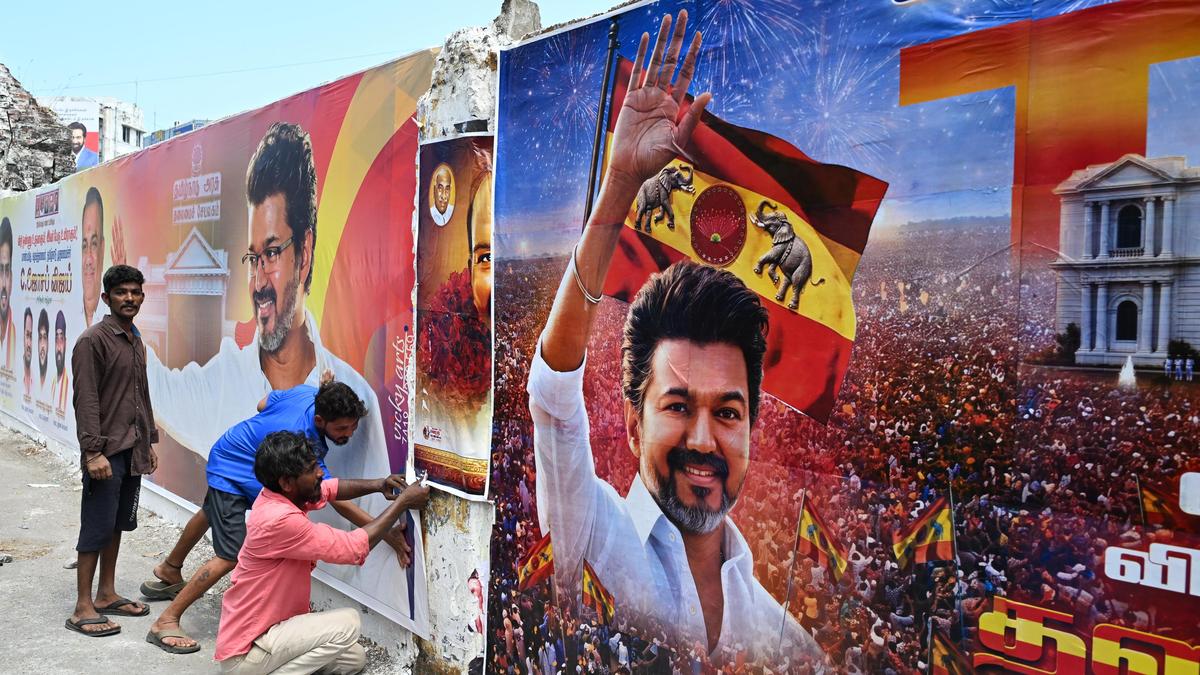
Tamil Nadu's political coalition is at a decision point. DMK chief and Chief Minister M.K. Stalin has made clear his party will not join the ruling government, but has given allied parties the freedom to decide for themselves whether to participate.
The statement puts three Left-leaning allies, CPI, CPI(M), and VCK (Viduthalai Chiruthaigal Katchi), at the centre of what happens next. Their individual choices will determine how the government is structured and how much leverage the broader DMK-led alliance retains over the administration.
CPI, CPI(M), and VCK are not simply junior partners. In Tamil Nadu's coalition arithmetic, they represent distinct voter bases, organised labour, Dalit communities, and ideological Left blocs, that gave the ruling alliance its majority. If they enter the government, they gain direct ministerial influence. If they stay out, they preserve independence but lose a seat at the table.
Stalin's formulation is politically careful. By publicly stepping back, DMK avoids the optics of pulling allies into an arrangement they may be reluctant to join, while also not blocking a path that could strengthen the government's social coalition on the ground.
The next moves from CPI, CPI(M), and VCK leadership will signal how unified the DMK-led front remains going into the next phase of governance. Any fracture or divergence in their responses could create pressure points within the alliance. Conversely, if all three opt in, the government gains a broader base and the alliance holds its shape. The decision timeline and the terms each party negotiates, if they do join, will be the real test of coalition management in the state.
India's government plans to amend the Payment and Settlement Systems Act to restore UPI merchant discount rates, ending the zero-MDR regime in place since January 2020.
India's government has introduced the Taxation and Other Laws (Amendment) Bill, 2026, proposing changes to payments regulation, income tax, and the Finance Act to attract FDI and support Make in India. The Bill's final shape will depend on parliamentary debate and committee review.
The government's Taxation and Other Laws (Amendment) Bill, 2026, proposes to replace the blanket UPI MDR ban with a system allowing the Centre to notify which payment modes stay fee-free.
Prime Minister Narendra Modi inaugurated the Rs 5,000 crore Bhogapuram greenfield airport in Andhra Pradesh, built under a public-private partnership model. He also laid foundation stones for infrastructure projects worth nearly Rs 18,000 crore in the state, signalling a broad investment push for the region.