Sen. Elizabeth Warren (D-MA) is forcing a Senate floor vote Wednesday on the Direct File Act, a bill to restore the IRS's free tax filing service eliminated by the Trump administration in 2025. The move uses a unanimous consent procedure, which either fast-tracks the bill to the House if every senator agrees or, if a single senator objects, returns it to the standard legislative process. IRS Direct File launched in 2024 as a pilot, expanded to 25 states, and was declared "gone" last fall by IRS Commissioner Billy Long. The service allowed Americans to file federal taxes directly with the government at no cost, bypassing commercial tax preparation software. The bill is co-sponsored by Rep. Bra, whose full name is cut from the available source text. The vote tests Republican appetite for formally blocking a no-cost government service, creating political exposure ahead of tax season. Whether the bill clears the unanimous consent bar or gets routed through committee determines how long, if ever, it takes to reach a House vote.
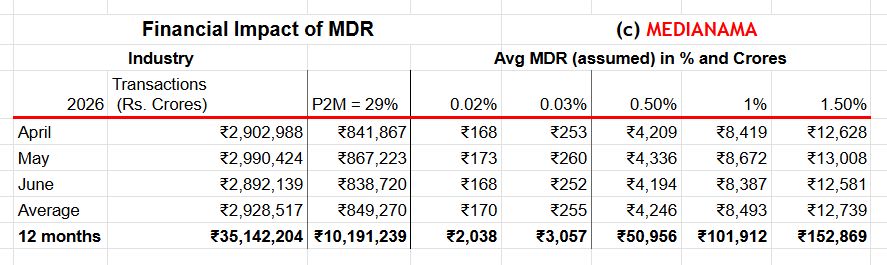
India's government plans to amend the Payment and Settlement Systems Act to restore UPI merchant discount rates, ending the zero-MDR regime in place since January 2020.
India's government has introduced the Taxation and Other Laws (Amendment) Bill, 2026, proposing changes to payments regulation, income tax, and the Finance Act to attract FDI and support Make in India. The Bill's final shape will depend on parliamentary debate and committee review.
The government's Taxation and Other Laws (Amendment) Bill, 2026, proposes to replace the blanket UPI MDR ban with a system allowing the Centre to notify which payment modes stay fee-free.
Prime Minister Narendra Modi inaugurated the Rs 5,000 crore Bhogapuram greenfield airport in Andhra Pradesh, built under a public-private partnership model. He also laid foundation stones for infrastructure projects worth nearly Rs 18,000 crore in the state, signalling a broad investment push for the region.