Amazon has introduced a new fuel surcharge tied to elevated shipping costs stemming from the conflict involving Iran, forcing third-party sellers to choose between absorbing the fee or passing it directly to consumers. The surcharge adds a variable cost layer on top of existing fulfillment fees, compressing margins for sellers already operating on thin spreads in a competitive marketplace. For sellers who cannot reprice quickly or who operate under fixed promotional commitments, the charge translates to direct margin erosion. For those who do reprice, the result is higher checkout prices for buyers, with potential volume softness if price sensitivity is high. The mechanism here is straightforward: regional conflict disrupts shipping lanes or elevates fuel costs, carriers reprice risk into surcharges, logistics platforms pass those through contractually, and Amazon's seller base absorbs or redistributes the hit. Third-party sellers with low average order values and high shipping intensity face the steepest exposure. Watch for broader repricing patterns across Amazon categories with heavy import reliance, and whether seller attrition on the platform accelerates if surcharge levels persist.
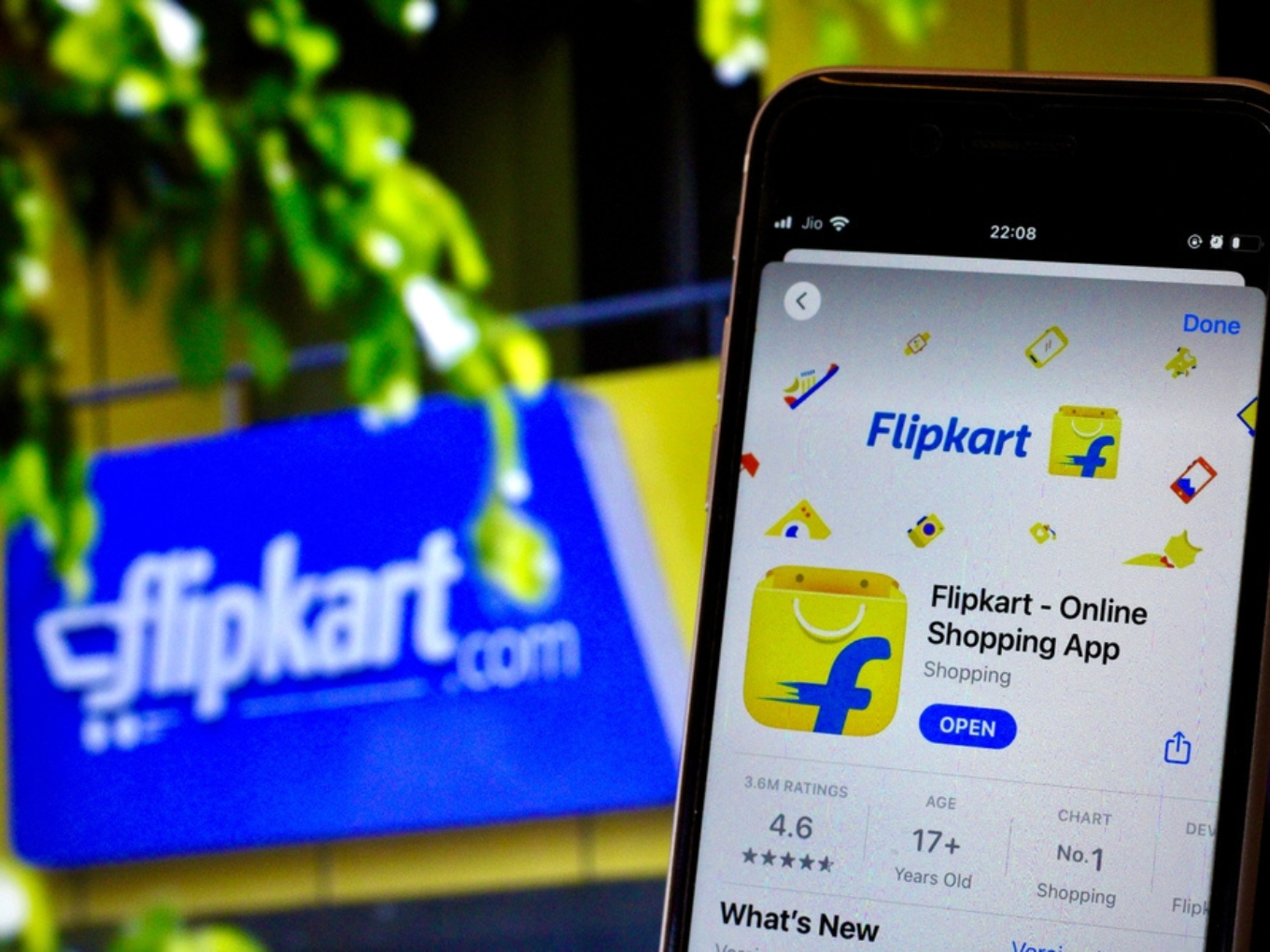
Flipkart will launch a food delivery pilot in Bengaluru by mid-August, charging restaurants a 10-11% commission compared to the 25-35% levied by Swiggy and Zomato. The move targets growing restaurant discontent with incumbent platforms and aims to drive daily engagement across Flipkart's 500 million registered users.
Maruti Suzuki crossed two lakh domestic units in July 2026 for the first time, recording 42.4% year-on-year growth. Total sales including exports and OEM supplies reached 2,41,421 units, with all passenger vehicle segments posting gains.
Air India's net loss more than doubled to ₹22,238 crore in FY26, prompting Tata Sons chairman N Chandrasekaran to extend the Vihaan.AI turnaround timeline from five years to as long as a decade.
UpGrad's all-stock acquisition of Unacademy, valued at Rs 1,955 crore, is set to close within three weeks after CCI clearance and near-complete investor sign-offs. The deal combines upGrad's upskilling business with Unacademy's test prep and medical education platforms, with Gaurav Munjal staying on as CEO.