
Qatar Signals Progress in US-Iran War Talks
Qatar's foreign ministry said mediators including Qatar, Pakistan, and Oman have reached "very progressive stages" in efforts to end the US-Iran war, pushing Brent crude down more than four percent.
Key Takeaways
May 10, 2026 · 3 min read · By Rishabh Bhardwaj
·
AI-assisted, human-reviewed · Our editorial standards
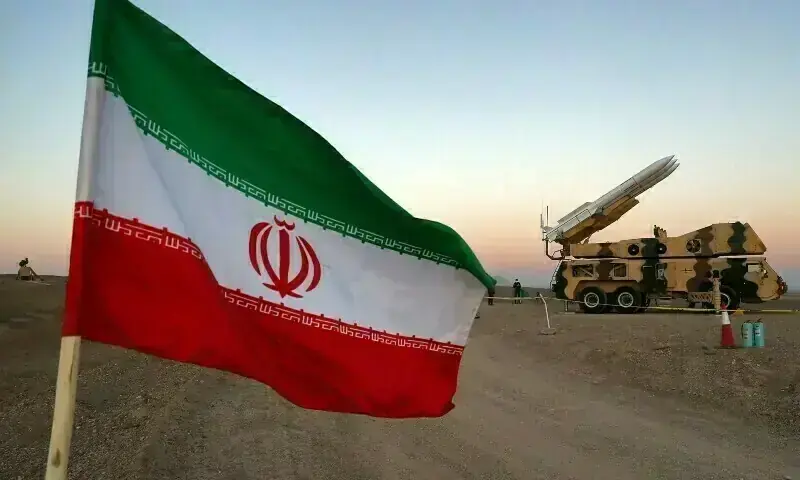
Iran sent its response to a US peace proposal through Pakistani mediators on Sunday, Iranian state media reported. The official IRNA news agency confirmed the transmission, while ISNA said Tehran's reply focuses on "ending the war and maritime security" in the Persian Gulf and the Strait of Hormuz.
The US had put forward a 14-point proposal that would formally end hostilities and open a 30-day window for detailed talks covering Iran's nuclear programme, sanctions relief, and safe passage through the Strait of Hormuz. Diplomatic sources had confirmed Pakistan was carrying the messages between the two sides. Pakistan's Deputy Prime Minister and Foreign Minister Ishaq Dar spoke with Iranian Foreign Minister Abbas Araghchi earlier this week, and Foreign Office spokesman Tahir Andrabi said Islamabad expected an agreement "sooner rather than later."
Before the war began, roughly one-fifth of the world's oil supply passed through the narrow Strait of Hormuz. Tehran has largely blocked non-Iranian shipping through the strait, using tolls and access controls to apply economic pressure on the US and its allies. Washington, for its part, had launched "Project Freedom", a naval plan to escort commercial ships through the waterway, before suspending it last week, citing progress in talks and requests from Pakistan and others. The broader naval blockade of Iranian ports remains in place.
The gap between the two sides is still wide. Washington wants long-term curbs on Iran's nuclear enrichment and safeguards against weaponisation. Tehran's focus on maritime security suggests it is pushing to lift the blockade and restore its control over Hormuz traffic as a primary condition. Neither side has publicly outlined what concessions it is prepared to make.
Optimism over the weekend dimmed sharply after a US fighter jet fired on and disabled two Iranian-flagged tankers that Washington accused of breaching its naval blockade. An Iranian military official said Iran's navy responded "to American terrorism with strikes" before clashes ceased. Iran's Islamic Revolutionary Guard Corps then threatened to strike US bases in the Middle East and "enemy ships" if Iranian tankers come under fire again.
Adding further weight to the situation, Iranian state television reported that military central command chief Ali Abdollahi met supreme leader Mojtaba Khamenei, who has not been seen publicly since his appointment in March, and received "new directives for the continuation of operations to confront the enemy."
The conflict started on February 28 when the US and Israel struck Iran. A Pakistan-brokered ceasefire took hold on April 8, and direct US-Iran talks were held in Islamabad on April 11-12, the first such direct talks, but ended without a deal. With a second round of talks proving difficult to arrange, Pakistan has returned to a go-between role. US President Donald Trump, who said Friday he was expecting Iran's response "supposedly tonight," is due to visit China this week, adding diplomatic urgency to reaching at least a preliminary understanding before that trip.
Whether Tehran's response moves the process forward depends on how much flexibility exists on the Hormuz question and nuclear commitments, the two issues that have blocked a deal so far.
Qatar's foreign ministry said mediators including Qatar, Pakistan, and Oman have reached "very progressive stages" in efforts to end the US-Iran war, pushing Brent crude down more than four percent.
Qatar confirmed it is mediating between the US and Iran but said no direct talks are currently planned. The clarification follows conflicting statements from President Trump, who claimed talks are under way, and Tehran, which denied any dialogue is happening.
Saudi Aramco reported sharply higher second-quarter 2026 profits as the Iran war restricts global oil supply and pushes crude prices up. Other oil supermajors also posted outsized earnings, raising concerns about sustained fuel cost pressure for importing economies.
President Trump called current Iran negotiations the "last chance" to end five months of conflict, pushing oil prices higher. Tehran denied formal talks are taking place, raising the risk of a diplomatic breakdown with direct consequences for global energy markets.