Qatar Signals Progress in US-Iran War Talks
Qatar's foreign ministry said mediators including Qatar, Pakistan, and Oman have reached "very progressive stages" in efforts to end the US-Iran war, pushing Brent crude down more than four percent.
Key Takeaways
June 1, 2026 · 3 min read · By Rishabh Bhardwaj
·
AI-assisted, human-reviewed · Our editorial standards
Iran's Islamic Revolutionary Guard Corps said Monday it struck a US air base in southern Iraq or the Gulf region after the US hit Iranian military sites over the weekend, marking another round of exchanges in a conflict that has been grinding on since February.
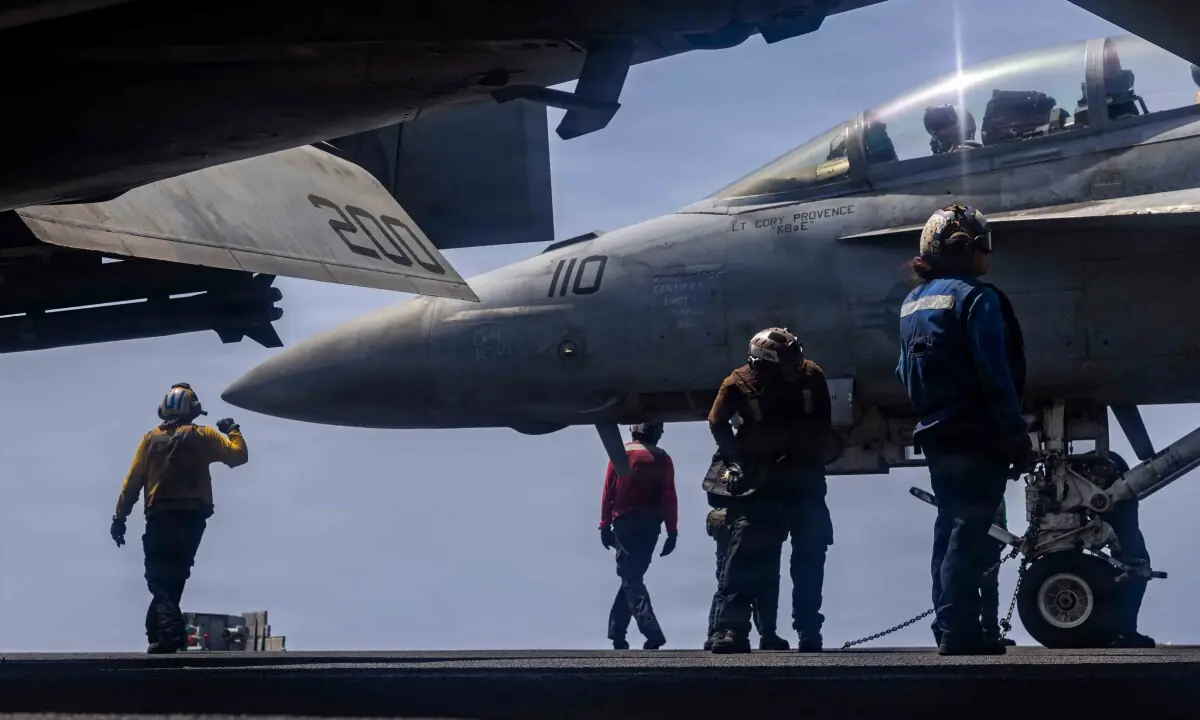
The US Central Command said its strikes on Iran's Gulf coast were triggered by Iran shooting down an American MQ-1 drone flying over international waters. US fighter jets then destroyed Iranian air defences, a ground control station, and two one-way attack drones that posed threats to commercial shipping in the area. Centcom said it would continue protecting US assets during what it described as an ongoing ceasefire.
The IRGC responded by targeting a US-used air base, without naming it. Kuwait's state news agency KUNA reported that air defences in the country, home to a major US installation, were intercepting missiles and drones Monday as sirens sounded. Kuwait's foreign ministry said it holds Iran fully responsible for what it called "heinous attacks."
The ceasefire has been in place since early April, but both sides have traded strikes repeatedly since then. A nearly identical exchange happened last Thursday. The pattern suggests neither side is willing to fully stand down while negotiations toward a longer-term agreement remain stuck. The war itself began February 28, launched by the US and Israel, and has killed thousands of people, mainly in Iran and Lebanon.
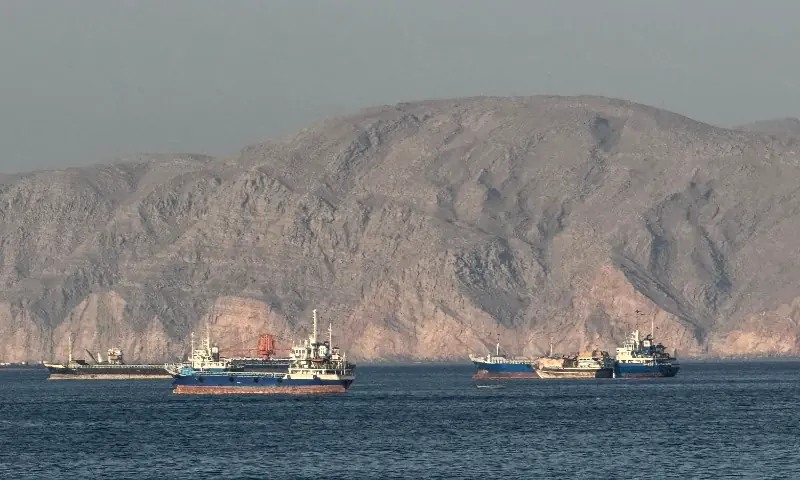
The conflict's biggest global economic effect has been Iran's effective closure of the Strait of Hormuz, the narrow waterway through which a significant share of the world's oil passes. That closure has pushed energy prices higher and created broad economic pressure. Reopening the strait is one of Trump's stated priorities ahead of the November congressional elections, where rising fuel and consumer prices are a political liability.
Trump posted on Truth Social Monday that Iran "really wants to make a deal" and predicted it would be a good one for the US and its allies. He also complained that pressure from critics telling him to move faster or slower, or to go to war or avoid it, was making negotiations harder. "Just sit back and relax, it will all work out well in the end," he wrote.
The gap between the two sides remains wide. Iran wants sanctions lifted and tens of billions of dollars in frozen oil revenues returned. The US under Trump has made preventing Iran from developing a nuclear weapon its core objective, centred on Iran's stockpile of highly enriched uranium. Tehran denies any intent to build a weapon.
Trump also faces a political squeeze from within his own party. Iran hawks in the Republican base are likely to push back against significant concessions to Tehran, limiting how much flexibility Washington has at the table.
The Lebanon front adds another layer of complexity. Israeli Prime Minister Benjamin Netanyahu said Sunday he had ordered troops deeper into Lebanon in fighting against Hezbollah, which is backed by Iran. US Secretary of State Marco Rubio spoke separately with Lebanese President Joseph Aoun and Netanyahu and proposed a plan for "gradual de-escalation." But with Israeli operations expanding, that path is uncertain.
Energy markets and shipping insurers are watching the Strait of Hormuz closely. Until Iran reopens the waterway or a durable ceasefire framework takes hold, oil supply risk will keep prices elevated. The next few weeks of diplomatic movement, or the lack of it, will determine whether the current exchange pattern escalates or gradually subsides.
Qatar's foreign ministry said mediators including Qatar, Pakistan, and Oman have reached "very progressive stages" in efforts to end the US-Iran war, pushing Brent crude down more than four percent.
Qatar confirmed it is mediating between the US and Iran but said no direct talks are currently planned. The clarification follows conflicting statements from President Trump, who claimed talks are under way, and Tehran, which denied any dialogue is happening.
Saudi Aramco reported sharply higher second-quarter 2026 profits as the Iran war restricts global oil supply and pushes crude prices up. Other oil supermajors also posted outsized earnings, raising concerns about sustained fuel cost pressure for importing economies.
President Trump called current Iran negotiations the "last chance" to end five months of conflict, pushing oil prices higher. Tehran denied formal talks are taking place, raising the risk of a diplomatic breakdown with direct consequences for global energy markets.