A petition filed in the Supreme Court of India seeks a judicial declaration that forced or fraudulent religious conversion constitutes a 'terrorist act' under Indian law. Filed by advocate Ashwini Kumar Upadhyay, the plea links deceitful conversion to threats against sovereignty, secularism, democracy, liberty, fraternity, and national integration. The petition appears connected to the TCS Nashik case, though the article does not specify the underlying facts of that matter. Upadhyay's petition asks the court to issue directions placing such conversions within the legal framework governing terrorism, a classification that would significantly expand the criminal exposure of those found to have engaged in coercive or deceptive proselytization. If the Supreme Court were to entertain the plea substantively, it would require examination of existing anti-conversion statutes, freedom of religion protections under Articles 25-28 of the Constitution, and applicable counter-terrorism law. The court's response to the admissibility of this petition is the immediate threshold to watch.
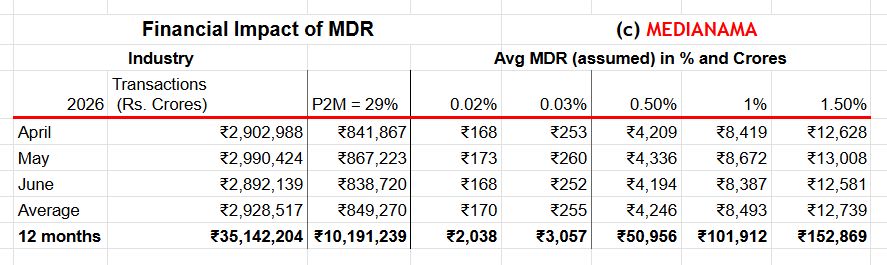
India's government plans to amend the Payment and Settlement Systems Act to restore UPI merchant discount rates, ending the zero-MDR regime in place since January 2020.
India's government has introduced the Taxation and Other Laws (Amendment) Bill, 2026, proposing changes to payments regulation, income tax, and the Finance Act to attract FDI and support Make in India. The Bill's final shape will depend on parliamentary debate and committee review.
The government's Taxation and Other Laws (Amendment) Bill, 2026, proposes to replace the blanket UPI MDR ban with a system allowing the Centre to notify which payment modes stay fee-free.
Prime Minister Narendra Modi inaugurated the Rs 5,000 crore Bhogapuram greenfield airport in Andhra Pradesh, built under a public-private partnership model. He also laid foundation stones for infrastructure projects worth nearly Rs 18,000 crore in the state, signalling a broad investment push for the region.