Nida Khan, pregnant and connected to the TCS case under investigation in Maharashtra, is preparing to seek anticipatory bail in court, while police have questioned her spouse as part of the ongoing probe. The move signals that legal proceedings are entering a more adversarial phase, with the accused side taking preemptive steps to avoid custodial arrest. Maharashtra Chief Minister Devendra Fadnavis described the TCS case as 'very serious,' stating authorities are working to reach its roots, language that suggests political attention is now tracking the investigation at the state's highest level. Fadnavis's public statement raises the likelihood of intensified police action and scrutiny of all parties connected to the case. The anticipatory bail application will be a near-term courtroom indicator: if denied, arrests could follow quickly; if granted, it shapes the timeline and leverage available to investigators. Observers should watch for court dates on the bail application and any further questioning of associates.
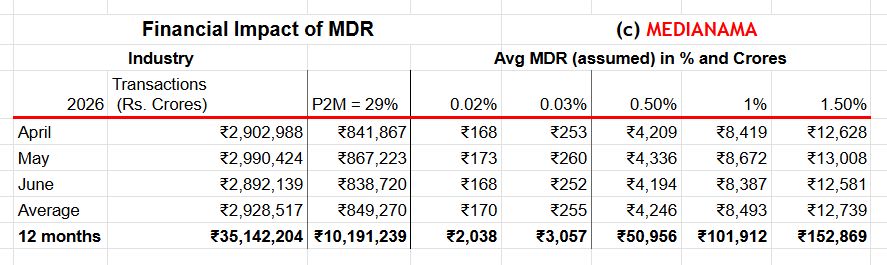
India's government plans to amend the Payment and Settlement Systems Act to restore UPI merchant discount rates, ending the zero-MDR regime in place since January 2020.
India's government has introduced the Taxation and Other Laws (Amendment) Bill, 2026, proposing changes to payments regulation, income tax, and the Finance Act to attract FDI and support Make in India. The Bill's final shape will depend on parliamentary debate and committee review.
The government's Taxation and Other Laws (Amendment) Bill, 2026, proposes to replace the blanket UPI MDR ban with a system allowing the Centre to notify which payment modes stay fee-free.
Prime Minister Narendra Modi inaugurated the Rs 5,000 crore Bhogapuram greenfield airport in Andhra Pradesh, built under a public-private partnership model. He also laid foundation stones for infrastructure projects worth nearly Rs 18,000 crore in the state, signalling a broad investment push for the region.