
Qatar Signals Progress in US-Iran War Talks
Qatar's foreign ministry said mediators including Qatar, Pakistan, and Oman have reached "very progressive stages" in efforts to end the US-Iran war, pushing Brent crude down more than four percent.
Key Takeaways
May 10, 2026 · 2 min read · By Rishabh Bhardwaj
·
AI-assisted, human-reviewed · Our editorial standards
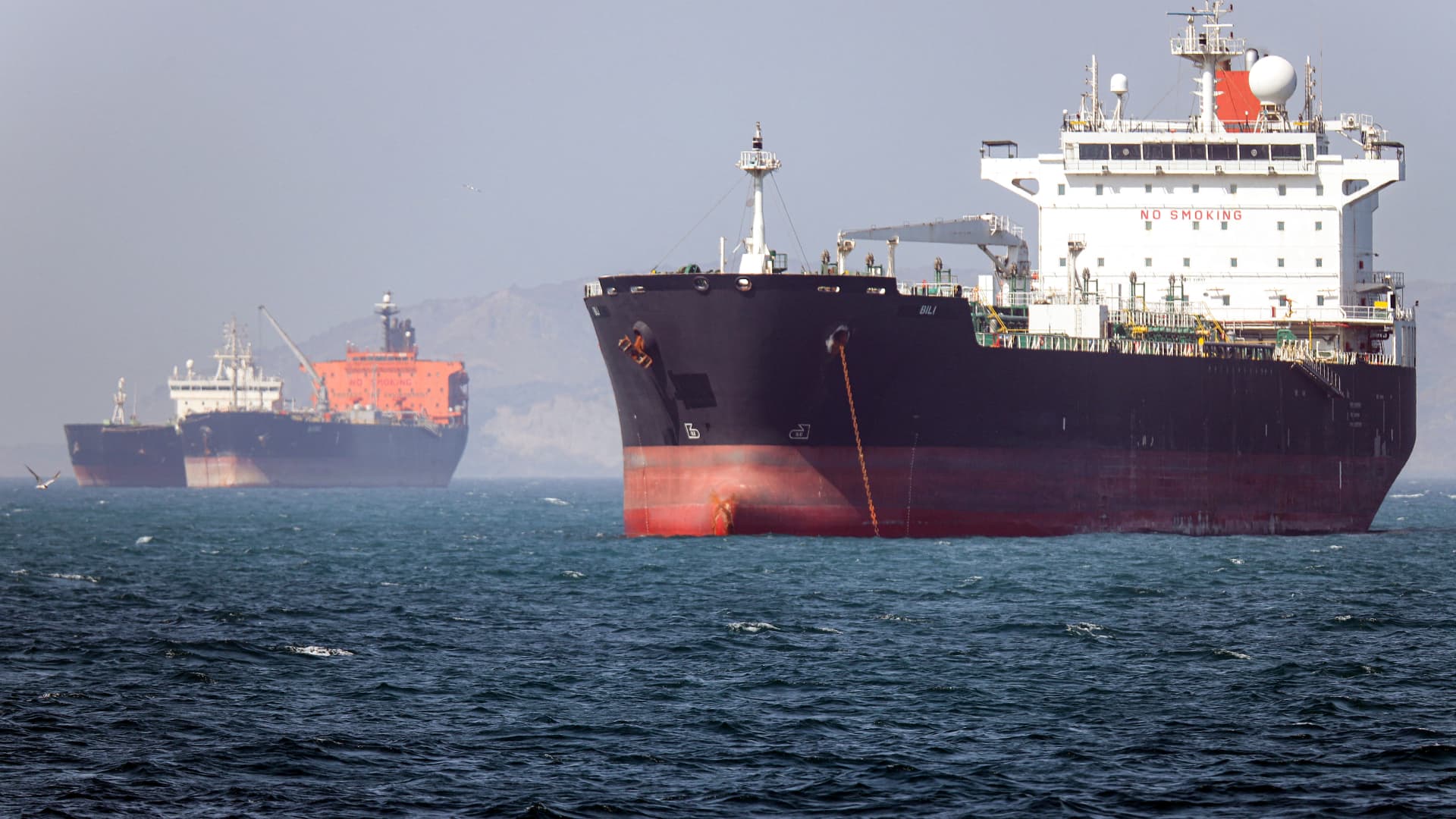
A tanker operated by QatarEnergy passed through the Strait of Hormuz without incident on Thursday, as the United States waited for Iran's formal response to a proposed nuclear deal.
The vessel, Al Kharaitiyat, was tracked by shipping analytics firm Kpler moving safely through the strait and heading toward Pakistan. The passage drew attention because the Strait of Hormuz is the world's most critical oil chokepoint, roughly 20% of global oil supply moves through it, and any threat to navigation there sends immediate signals through energy markets.
The timing is significant. Iran has periodically threatened to close or disrupt the strait during periods of tension with the West, and the current diplomatic standoff over its nuclear program keeps that risk alive. A safe transit by a major energy carrier suggests shipping operations remain normal for now, but traders and insurers watch each crossing closely when U.S.-Iran talks are at a delicate stage.
QatarEnergy is one of the world's largest liquefied natural gas producers, and its vessels regularly use the Hormuz route. A disruption to that corridor would affect not just Qatari exports but a wide range of crude oil and LNG shipments from Gulf producers including Saudi Arabia, the UAE, Kuwait, and Iraq.
The U.S. is currently waiting for Iran's reply to a peace proposal, the details of which were not specified in available reporting. Iran's response, or lack of one, will likely shape how shipping insurers price risk on Hormuz transits in the near term. War-risk insurance premiums on Gulf routes have fluctuated sharply in past periods of U.S.-Iran friction.
For now, the Al Kharaitiyat's uneventful crossing offers a narrow but real data point: commercial traffic through the strait has not been disrupted as of this transit. What happens next depends largely on how Iran responds to the U.S. proposal and whether diplomatic momentum holds.
Qatar's foreign ministry said mediators including Qatar, Pakistan, and Oman have reached "very progressive stages" in efforts to end the US-Iran war, pushing Brent crude down more than four percent.
Qatar confirmed it is mediating between the US and Iran but said no direct talks are currently planned. The clarification follows conflicting statements from President Trump, who claimed talks are under way, and Tehran, which denied any dialogue is happening.
Saudi Aramco reported sharply higher second-quarter 2026 profits as the Iran war restricts global oil supply and pushes crude prices up. Other oil supermajors also posted outsized earnings, raising concerns about sustained fuel cost pressure for importing economies.
President Trump called current Iran negotiations the "last chance" to end five months of conflict, pushing oil prices higher. Tehran denied formal talks are taking place, raising the risk of a diplomatic breakdown with direct consequences for global energy markets.