India to Restore UPI Merchant Fees, PhonePe Gains Most
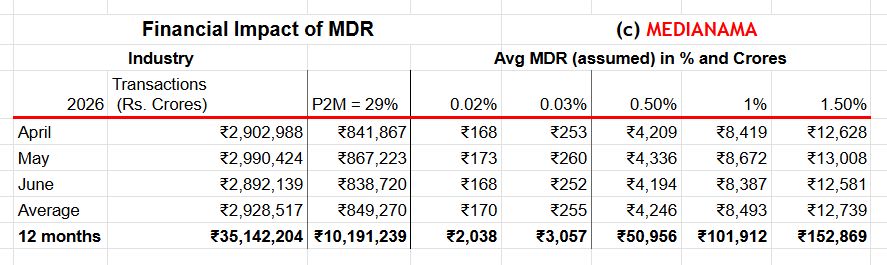
India's government plans to amend the Payment and Settlement Systems Act to restore UPI merchant discount rates, ending the zero-MDR regime in place since January 2020.
Key Takeaways
May 9, 2026 · 2 min read · By Rishabh Bhardwaj
·
AI-assisted, human-reviewed · Our editorial standards
Tamil Nadu's Assembly elections have produced a hung assembly, with no single party winning a clear majority. Government formation is on hold as parties negotiate coalition arrangements.
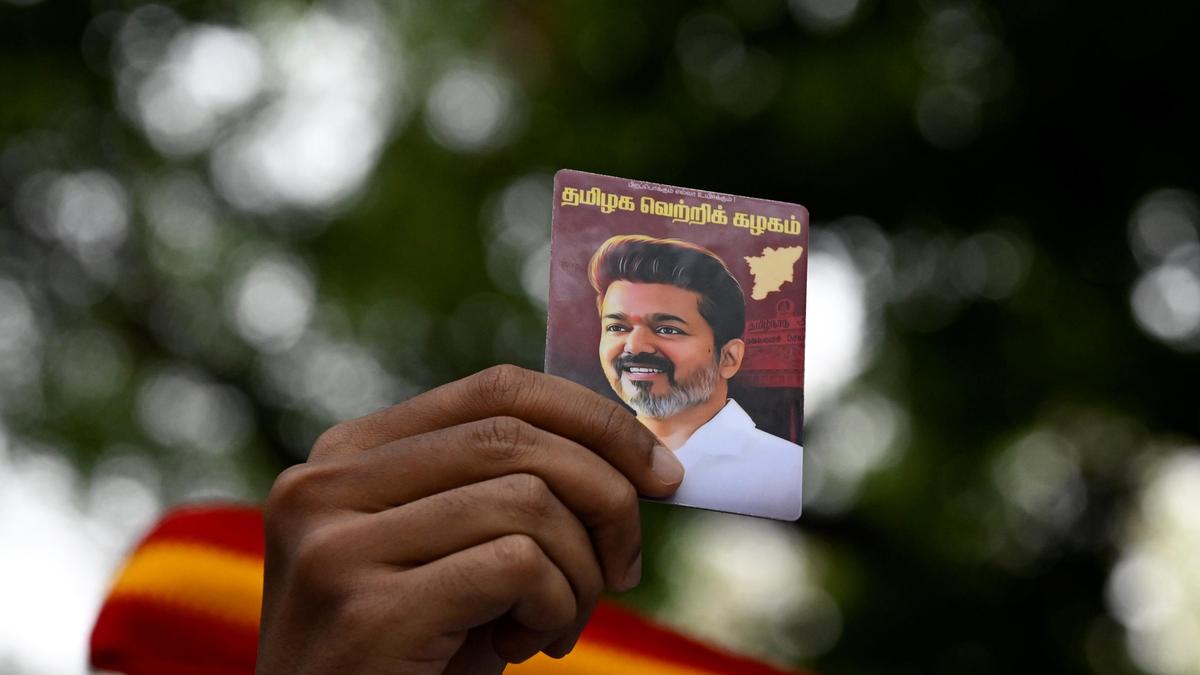
Vijay's Tamilaga Vettri Kazhagam (TVK) is reported to be close to the majority mark, making it the leading contender to form a government. However, reaching a stable majority requires support from alliance partners or independent legislators, and those talks are ongoing.
A hung assembly occurs when no party or pre-election alliance wins more than half the seats in the legislature. In Tamil Nadu's 234-seat Assembly, a party needs 118 seats to form a majority government on its own. When that threshold is not met, the governor typically invites the largest party or bloc to attempt to prove a majority on the floor of the House.
Coalition negotiations in such scenarios involve smaller parties and independents trading support for ministerial posts, policy commitments, or other concessions. These talks can extend the gap between election results and actual government formation by days or weeks.
The key question is whether TVK can consolidate enough post-poll support to cross the majority threshold without triggering a prolonged political standoff. The governor's role becomes significant at this stage, the constitutional convention is to invite the party best placed to prove a majority, and that assessment depends on how clearly any bloc can demonstrate the numbers.
Until a government is sworn in, Tamil Nadu operates under the outgoing administration in a caretaker capacity, which limits the state's ability to take major policy or spending decisions. Investors and businesses with exposure to Tamil Nadu, one of India's largest manufacturing and export states, will be watching for resolution, since political uncertainty at the state level can delay infrastructure approvals and industrial policy implementation.
No confirmed timeline for government formation has been announced. The pace of coalition talks will determine how quickly the political situation resolves.
India's government plans to amend the Payment and Settlement Systems Act to restore UPI merchant discount rates, ending the zero-MDR regime in place since January 2020.
India's government has introduced the Taxation and Other Laws (Amendment) Bill, 2026, proposing changes to payments regulation, income tax, and the Finance Act to attract FDI and support Make in India. The Bill's final shape will depend on parliamentary debate and committee review.
The government's Taxation and Other Laws (Amendment) Bill, 2026, proposes to replace the blanket UPI MDR ban with a system allowing the Centre to notify which payment modes stay fee-free.
Prime Minister Narendra Modi inaugurated the Rs 5,000 crore Bhogapuram greenfield airport in Andhra Pradesh, built under a public-private partnership model. He also laid foundation stones for infrastructure projects worth nearly Rs 18,000 crore in the state, signalling a broad investment push for the region.