Thanjavur, a UNESCO World Heritage site town in Tamil Nadu, is heading into the 2026 state elections with unresolved civic complaints centered on open drains in core residential lanes and recurring traffic gridlock near Sri Brahadeeswarar Temple on weekends and religious days. The temple, a World Heritage Monument, draws large volumes of pilgrims and tourists, making congestion at its approaches a visible governance failure rather than a minor inconvenience. Open drainage in the town's interior lanes compounds the image problem for a constituency that depends heavily on cultural tourism and heritage designation for its economic identity. For candidates contesting Thanjavur constituency in 2026, these issues represent tangible voter grievances with a direct audit trail: the gap between the town's global heritage status and the ground-level infrastructure that surrounds it. Watch for whether civic improvement commitments from ruling and opposition parties translate into pre-election municipal spending or remain campaign-cycle promises.
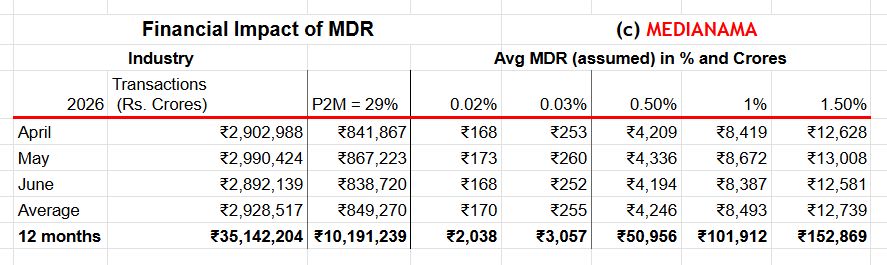
India's government plans to amend the Payment and Settlement Systems Act to restore UPI merchant discount rates, ending the zero-MDR regime in place since January 2020.
India's government has introduced the Taxation and Other Laws (Amendment) Bill, 2026, proposing changes to payments regulation, income tax, and the Finance Act to attract FDI and support Make in India. The Bill's final shape will depend on parliamentary debate and committee review.
The government's Taxation and Other Laws (Amendment) Bill, 2026, proposes to replace the blanket UPI MDR ban with a system allowing the Centre to notify which payment modes stay fee-free.
Prime Minister Narendra Modi inaugurated the Rs 5,000 crore Bhogapuram greenfield airport in Andhra Pradesh, built under a public-private partnership model. He also laid foundation stones for infrastructure projects worth nearly Rs 18,000 crore in the state, signalling a broad investment push for the region.